Protecting Your Loved One: Why Advance Planning Matters for Dementia Patients Facing Hospitalization
Published on January 5, 2026
Updated on January 6, 2026
Published on January 5, 2026
Updated on January 6, 2026
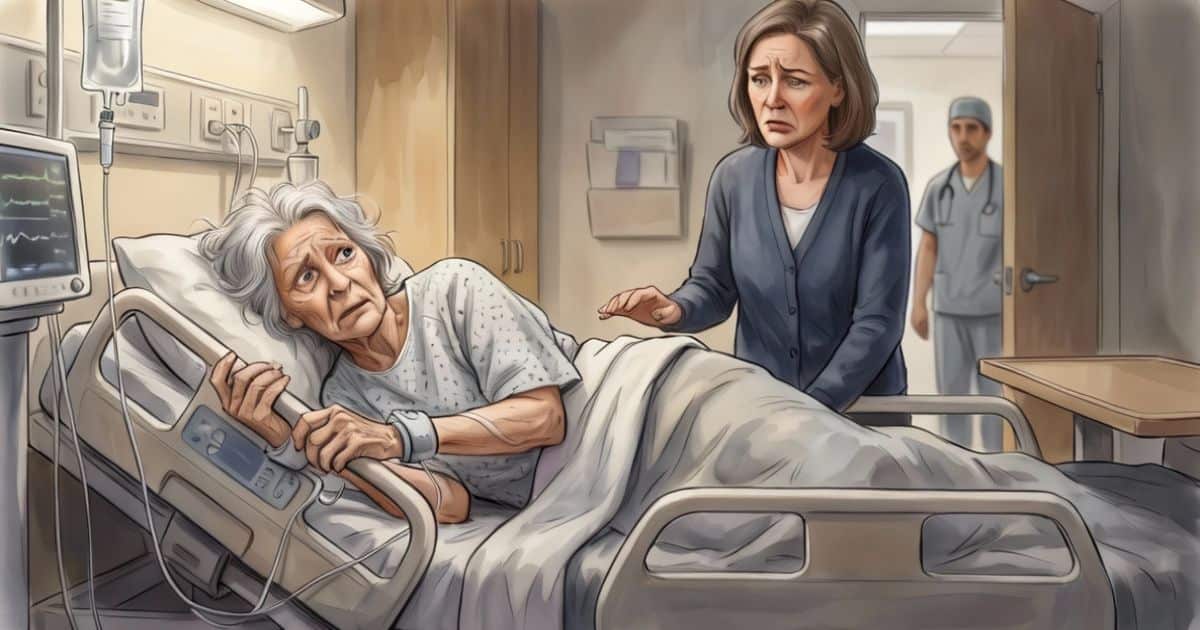
Table of Contents
When Martha’s 82-year-old mother was rushed to the hospital from her nursing home with a urinary tract infection, Martha never imagined the next 48 hours would become a nightmare. Her mother, who had advanced dementia, became terrified in the unfamiliar hospital environment. She pulled out her IV, tried to escape her bed repeatedly, and screamed when nurses attempted to help her. The family had no advance directives in place. No one knew what her mother would have wanted. The medical team performed every intervention possible, including restraints and sedating medications that left her mother in a fog for weeks afterward.
Martha’s story isn’t unique. Recent research reveals a troubling pattern: nursing home residents with dementia routinely undergo distressing hospital experiences, yet most lack do-not-resuscitate (DNR) orders, and referrals to hospice and palliative care remain rare. The study found that patients and their families often enter these crises completely unprepared, without the protective documentation that could prevent unnecessary suffering.
This article empowers you with knowledge about advance planning that can protect your loved one with dementia. You’ll learn when palliative care and hospice become appropriate, understand the truth about CPR and DNR orders, and discover concrete steps to ensure your loved one’s comfort and dignity remain priorities—even during medical emergencies.
The statistics paint a concerning picture of what happens when nursing home residents with dementia face hospitalization. Research shows that these patients experience significantly higher hospitalization rates than residents without cognitive impairment. Emergency department visits and hospital admissions occur frequently, often triggered by conditions that might have been managed differently with proper advance planning in place.
Common reasons for hospitalization among dementia patients include:
Hospital environments create unique challenges for people with dementia. The unfamiliar surroundings, constant noise, bright lights, and frequent disruptions can trigger or worsen delirium—a state of severe confusion that affects many hospitalized dementia patients. One study found that transfers to hospitals are often traumatic and stressful experiences for residents, and they don’t usually align with the priorities and goals of the patient.
The risks associated with hospitalization extend far beyond the immediate medical crisis. Research documents serious complications, including:
Perhaps most troubling, family members who witness their loved ones’ distress during hospitalization experience significant emotional trauma. Studies show that observing a loved one in pain, choking, or appearing to have “had enough” creates lasting fear and helplessness among family caregivers.
Despite these well-documented risks, a significant gap exists in advance care planning for dementia patients. Research consistently shows that most nursing home residents with dementia do not have DNR orders in place, and referrals to hospice and palliative care services remain rare.
Why does this gap persist? Families often wait too long to have these critical conversations. Many people associate advance directives and DNR orders with “giving up” rather than recognizing them as protective measures that honor a person’s values and preferences. The emotional difficulty of acknowledging that dementia is a terminal, progressive disease leads many families to postpone planning until a crisis forces reactive rather than proactive decisions.
The consequences of this delay are significant. Without advance directives, families face impossible decisions during medical emergencies, when emotions run high and time is tight. Healthcare providers default to full interventions—including CPR, feeding tubes, and aggressive treatments—that may not align with what the patient would have wanted. The burden placed on family members making these decisions without guidance creates lasting guilt, family conflict, and complicated grief.
Many families don’t realize that palliative care differs fundamentally from hospice care and can begin much earlier in the dementia journey. Understanding this distinction opens the door to support that can improve quality of life for both patients and caregivers throughout disease progression.
Palliative care focuses on providing relief from symptoms and stress of a serious illness, regardless of the diagnosis or prognosis. Unlike hospice, palliative care:
For dementia patients, this means palliative care can appropriately begin soon after diagnosis. The European Association for Palliative Care actually recommends considering the diagnosis of dementia itself as the starting point for palliative care. This early approach allows the care team to address symptoms like pain, agitation, and anxiety while the person can still participate in decisions about their future care.
The benefits of early palliative care adoption are substantial. Palliative care teams help manage distressing symptoms, coordinate care across providers, support family caregivers, and facilitate advance care planning conversations. Perhaps most importantly for nursing home residents, palliative care can reduce unnecessary hospitalizations by providing expert symptom management and 24/7 support that allows issues to be resolved without emergency department visits.
While palliative care can begin early, hospice care becomes appropriate when a person with dementia has a prognosis of six months or less if the disease follows its expected course. This six-month guideline isn’t a rigid deadline but rather a clinical determination that helps families access this specialized, comfort-focused care at the right time.
Key indicators that signal hospice appropriateness for dementia patients include:
It’s important to understand that the six-month prognosis guideline represents an estimate, not an expiration date. If a patient’s condition stabilizes or improves, they can continue receiving hospice care as long as they remain eligible. Conversely, some patients may live longer than six months while still appropriately receiving hospice services.
Hospice care focuses entirely on comfort and quality of life rather than curative treatments. For dementia patients, this means expert management of pain, agitation, and other distressing symptoms, along with comprehensive support for family caregivers navigating this difficult journey.
Television medical dramas have created dangerously unrealistic expectations about CPR. On TV, CPR appears successful about 75% of the time, with patients typically making full recoveries. The reality for elderly and frail patients—particularly those with advanced dementia—could not be more different.
Statistics that families need to know about CPR survival rates:
These statistics become even more sobering when you understand the physical consequences of CPR. Effective chest compressions require pushing hard and fast—about 2 inches deep at a rate of 100-120 compressions per minute. This violent force, necessary to circulate blood, causes predictable injuries:
For patients with advanced dementia, these facts carry special weight. CPR doesn’t cure dementia, heart failure, cancer, or any other terminal condition. Even if CPR successfully restarts the heart, the person still has their progressive, terminal illness. They may now face dying in an ICU connected to machines rather than peacefully at home surrounded by family.
One family member captured this reality perfectly: “I don’t want him to die of a heart attack—he has cancer.” The hospice nurse’s compassionate response speaks truth: “The patient is terminal. Most likely, if the disease progresses, the patient will succumb to the disease. Performing CPR won’t stop the disease progression.”
Understanding the two types of DNR orders helps ensure comprehensive protection for your loved one in all settings.
Why both may be needed: Emergency responders in the community setting must see an out-of-hospital DNR form—they cannot accept verbal instructions from family members. Once a patient arrives at a hospital, the medical DNR order in their chart guides the hospital staff. Having both ensures protection across all care settings.
The most dangerous myth about DNR orders is that they mean “do not treat.” This is absolutely false. DNR specifically addresses only CPR—what happens if the heart stops or breathing ceases.
Treatments that continue with DNR orders include:
The importance of discussing the benefits and risks of each treatment cannot be overstated. Just because someone has chosen DNR doesn’t mean every treatment should be declined. Instead, each medical decision should involve a thoughtful conversation about:
Quality-of-life considerations drive these treatment decisions. For example, treating a urinary tract infection with antibiotics makes sense if the infection causes pain and discomfort—the DNR status simply means that if the heart stops, CPR won’t be attempted. The goal becomes maximizing comfort and dignity while avoiding interventions that prolong suffering without improving quality of life.
The research quote bears repeating: “Patients undergoing hospital admission suffered distressing experiences, but most patients did not have do-not-resuscitate orders, and referrals to hospice and palliative care were rare. Patients and their family members should be informed about the hospital experience before admission and offered appropriate care services.”
What happens without proper documentation? Healthcare providers must default to full medical interventions, regardless of whether these align with the patient’s values. Families face agonizing decisions without knowing what their loved one would have wanted. The burden placed on family members during crises—trying to guess what Mom or Dad would choose while doctors press for immediate decisions—creates lasting emotional trauma.
One daughter described it this way: “We had no idea what Mom wanted. My brother thought we should do everything possible. I felt like we were torturing her. We’re still not speaking two years later.” Advance directives prevent this heartbreak by providing clarity when it matters most.
Complete advance planning includes multiple documents that work together:
| Factor | DIY Free Resources | Online Legal Services | Elder Law Attorney | Health and Life Navigation Specialist |
|---|---|---|---|---|
| Cost | $0.00 | $49-$199 | $6,000-$12,000 | $150-$2,000 |
| Time Investment | 1-2 hours alone | 1-3 hours alone | 2-4 hours with an attorney | 1.5-6 hours with a coach |
| Ongoing Support | Not Applicable | No | Sometimes | Always |
| Financial POA | Must find and file separately | Sometimes | Yes | Yes |
| Estate Planning Integration | None | None | Comprehensive | Basic |
| Legal Validity | Yes, if properly executed | Yes | Yes | Yes |
| Values Exploration | None | None | Limited | Extensive |
| Medical Guidance (Impact of Decisions) | None | None | Rarely | Comprehensive |
| Treatment-Specific Guidance | None | None | None | Comprehensive |
| Pain Management Detail | None | None | None | Extensive |
| Additional addendums for dementia, mental health, and VSED | None | None | Rarely | Always |
| Family Facilitation | None | None | Sometimes | Always |
| Vetting Required | Not Applicable | Personal research | Personal research, licensing | Testimonials and interviews |
| Best For | Medical professionals with clear preferences | Simple situations, budget-conscious | Complex estates, anticipated legal challenges | Most adults seeking comprehensive guidance |
Health and Life Navigation Specialists represent an emerging professional resource that specializes in areas often overlooked by traditional healthcare and legal services. These professionals provide expertise in advance directives, grief coaching, dementia care coaching, and illness navigation—helping families see the complete picture rather than fragmented pieces. They bridge gaps between medical, legal, emotional, and practical planning needs, offering families comprehensive support throughout their caregiving journey.
When dementia is in the early to middle stages, proactive planning makes the most significant difference. An annual review of advance directives is recommended during this phase. This yearly check-in ensures documents reflect current wishes and circumstances.
Having conversations with your loved one while they can still participate is precious and irreplaceable. These discussions allow the person with dementia to express their values, preferences, and priorities in their own words. They can share what quality of life means to them, what they fear most, and what brings them comfort.
Establishing relationships with palliative care at this stage can prevent crises later. Remember, palliative care doesn’t require a terminal prognosis—just a serious illness diagnosis. Early palliative care provides symptom management, care coordination, and caregiver support throughout the disease journey.
Considering future scenarios proactively allows families to make thoughtful decisions rather than rushed ones during emergencies. Discuss questions like: What would make life worth living? At what point would aggressive medical interventions cause more burden than benefit? Where would they want to spend their final days?
As dementia progresses to advanced stages, the pace of planning intensifies. Quarterly review of advance directives becomes essential. The disease can change rapidly during this phase, requiring frequent reassessment of care goals and documentation.
Strong consideration of out-of-hospital DNR and medical DNR orders is appropriate for advanced dementia. Given the extremely low CPR survival rates for this population and the high likelihood of complications, many families choose DNR status to prevent traumatic, futile interventions.
Evaluating hospice eligibility should happen proactively rather than waiting for a crisis. If your loved one shows signs like recurrent infections, significant weight loss, or advanced functional decline, request a hospice evaluation. Hospice can provide expert comfort care, reduce unnecessary hospitalizations, and support the entire family.
Ensuring all caregivers and facilities have current documentation prevents dangerous gaps. Provide copies of advance directives, DNR forms, and POLST/MOLST documents to:
Involving healthcare providers in conversations brings medical expertise to planning discussions. Your loved one’s doctor can explain what to expect as dementia progresses, what symptoms typically emerge, and which interventions provide genuine benefit versus those that prolong suffering.
Considering a Health and Life Navigation Specialist for specialized guidance offers support that addresses the full scope of advance planning—medical, legal, emotional, and practical. These professionals help families navigate complex decisions with compassionate expertise.
Keeping family members informed and aligned prevents conflicts during crises. Regular family meetings to discuss your loved one’s condition, review care goals, and ensure everyone understands the plan, create unity when difficult decisions must be made.
Advance planning for a loved one with dementia isn’t about giving up hope or surrendering to pessimism. It’s about protection—protecting your loved one from unwanted medical interventions, protecting their dignity and comfort, and protecting your family from the burden of making impossible decisions without guidance.
Planning provides clarity during a crisis. When emergencies happen—and with dementia, they often will—having advance directives in place means you can focus on being present with your loved one rather than frantically making medical decisions under pressure. You’ll have confidence that the care being provided aligns with their values and wishes.
Now is the time to take action. We encourage you to:
Every conversation you have, every document you complete, every decision you make thoughtfully rather than reactively is an act of profound love. You’re giving your loved one the gift of comfort, dignity, and care that honors who they are and what matters most to them. You’re also giving yourself and your family the gift of peace—knowing you’re doing everything possible to protect the person you love during their most vulnerable time.
Planning isn’t about preparing to let go. It’s about holding on to what matters most: your loved one’s comfort, their dignity, and the precious time you have together. Start these conversations today. Your future self—and your loved one—will thank you.
Hospitalization Experiences Among Nursing Home Residents With Dementia
Unnecessary Hospital Admissions: A Growing Risk for Dementia Patients in Nursing Homes
Palliative care for older people with dementia—we need a paradigm shift in our approach
Hospital outcomes of older people with cognitive impairment: An integrative review
When It’s Time for Hospice in Dementia Care
Full Code vs DNR: The Implications for Terminally Ill Patients and Their Caregivers
Top Ten Myths About Do Not Resuscitate (DNR) Orders
How to read and apply the FAST Scale to stage any type of dementia. Dementia Staging Made Easy
📚 This site uses Amazon Associate links, which means I earn a small commission when you purchase books or products through these links—at no extra cost to you. These earnings help me keep this website running and free from advertisements, so I can continue providing helpful articles and resources at no charge.
💝 If you don’t see anything you need today but still want to support this work, you can buy me a cup of coffee or tea. Every bit of support helps me continue writing and sharing resources for families during difficult times. 💙
Geri-Gadgets – Washable, sensory tools that calm, focus, and connect—at any age, in any setting
Dementia Caregiver Essentials: Comprehensive Guide for Dementia Care (one book that contains the ten books below for less than one-third the price of all ten)
Dementia Home Care: How to Prepare Before, During, and After
DEMENTIA DENIED: One Woman’s True Story of Surviving a Terminal Diagnosis & Reclaiming Her Life
Atypical Dementias: Understanding Mid-Life Language, Visual, Behavioral, and Cognitive Changes
Fading Reflection: Understanding the complexities of Dementia
Ahead of Dementia: A Real-World, Upfront, Straightforward, Step-by-Step Guide for Family Caregivers
Four Common Mistakes by Caregivers of Loved Ones with Dementia and What Do Differently (video)
Articles on Advance Directives
CaringInfo – Caregiver support and much more!
The Hospice Care Plan (guide) and The Hospice Care Plan (video series)
Surviving Caregiving with Dignity, Love, and Kindness
Caregivers.com | Simplifying the Search for In-Home Care
Geri-Gadgets – Washable, sensory tools that calm, focus, and connect—at any age, in any setting
Healing Through Grief and Loss: A Christian Journey of Integration and Recovery
📚 This site uses Amazon Associate links, which means I earn a small commission when you purchase books or products through these links—at no extra cost to you. These earnings help me keep this website running and free from advertisements, so I can continue providing helpful articles and resources at no charge.
💝 If you don’t see anything you need today but still want to support this work, you can buy me a cup of coffee or tea. Every bit of support helps me continue writing and sharing resources for families during difficult times. 💙
VSED Support: What Friends and Family Need to Know
Take Back Your Life: A Caregiver’s Guide to Finding Freedom in the Midst of Overwhelm
The Conscious Caregiver: A Mindful Approach to Caring for Your Loved One Without Losing Yourself
Everything Happens for a Reason: And Other Lies I’ve Loved
Final Gifts: Understanding the Special Awareness, Needs, and Communications of the Dying
Bridges to Eternity: The Compassionate Death Doula Path book series:
Additional Books for End-of-Life Doulas
VSED Support: What Friends and Family Need to Know
Find an End-of-Life Doula
At present, no official organization oversees end-of-life doulas (EOLDs). Remember that some EOLDs listed in directories may no longer be practicing, so it’s important to verify their current status.
End-of-Life Doula Schools
The following are end-of-life (aka death doula) schools for those interested in becoming an end-of-life doula:
Remember that there is currently no official accrediting body for end-of-life doula programs. Certification only means one graduated from a program. It’s advisable to conduct discovery sessions with any doula school you’re considering—whether or not it’s listed here—to verify that it meets your needs. Also, ask questions and contact references, such as former students, to assess whether the school offered a solid foundation for launching your own death doula practice.
Holistic Nurse: Skills for Excellence book series
Empowering Excellence in Hospice: A Nurse’s Toolkit for Best Practices book series