
Compassion Crossing, LLC
Guiding Life's Journey with Care
Compassion Crossing, LLC
Guiding Life's Journey with Care
Supporting ME/CFS Patients: A Guide to Accessing Palliative Care Despite Stigma
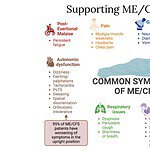
A comprehensive guide for ME/CFS patients and their caregivers on accessing palliative care services while dealing with illness stigma. Learn about patient rights, caregiver support, and strategies for advocating with healthcare providers to ensure proper care and symptom management.
When No One Explains What Happens Next: How Independent Patient Advocates Prevent Unsafe Discharges

When a hospital discharge ends with a stack of paperwork and no real plan, families are left guessing. Learn how case managers, social workers, and families can reduce unsafe discharges and hospital readmissions by partnering with an independent patient advocate who walks beside the patient every step of the way.
When “Just Keep Fighting” Leaves Young Adults With Cancer Alone in Their Pain

Fewer than one in five young adults with advanced cancer receive palliative care alongside treatment. Fear, misinformation, and thin training pipelines keep this care out of reach for the people who need it most. This article breaks down why the gap exists and what clinicians, advocates, and families can do about it.
When an IV Bag Becomes a Lifeline: Understanding Intravascular Dehydration in Older Adults

An elderly man kept landing in the hospital, dehydrated again and again, until a diagnosis finally explained why. Intravascular dehydration can hide in plain sight in older adults. Learn what sets it apart from ordinary dehydration, how IV fluids can restore comfort, and what caregivers should watch for near the end of life.
When Diabetes Insipidus Turns Into a Fight for Breath: A Caregiver’s Guide to CKD and CHF

When diabetes insipidus collides with failing kidneys and a struggling heart, caregiving gets complicated fast. This guide walks through real caregiving moments, explains why common heart drugs can be risky for someone with kidney disease, and outlines signs that mean it is time to call palliative care or hospice.
Aging in Place: What It Takes to Stay Home Safely as You Grow Older

Ninety-five percent of adults want to grow old in their own homes, yet most are not confident they will get to. This article breaks down four practical strategies for aging in place safely, plus a fifth: partnering with a health navigation specialist or death doula who knows your community.
When Medicare Says No: Your Step-by-Step Guide to Filing an Appeal

You have the right to appeal a Medicare denial. This guide explains what to gather initially, how expedited appeals differ from standard ones, the relevant deadlines, and where to find free assistance. It also provides a checklist and a flowchart for easy reference.
The Whole Person, the Whole Family: Why Hospice Care Needs More Than Medicine

Physical comfort is only part of the end-of-life picture. Mind, spirit, and family relationships need care too. This article shows what hospice chaplains, hospice social workers, and death doulas actually do, and why staying open to their help changes what the final chapter of life looks like for everyone involved.
An Open Letter to Discharge Planners: What Happens After the Folder Closes

This is an open letter to the discharge planners, charge nurses, and case managers who hand patients a folder of paperwork and hope it is enough. It shows what changes, for the patient and for you, when an independent patient advocate walks beside that family after they leave the hospital.
Understanding Adrenal Cancer Metastasis: Managing Adrenal Insufficiency and Crisis

Adrenal cancer metastasis can lead to adrenal insufficiency and crisis, posing significant challenges. This article explores the connection between metastasis and adrenal crises. It offers practical advice for nurses, caregivers, and family members on providing the best care and support for their loved ones.
Reading the Body’s Warning Signs: The Multi-System Signature Approach to Hospice Care

Hospice patients rarely die from one failing organ. They die when several systems break down together. This guide shows hospice clinicians how to spot that combined pattern, called a multi-system signature, to strengthen eligibility documentation, target comfort measures, and judge how much time a patient may have left.
When Skin Starts to Fail: Understanding SCALE at the End of Life

Skin is the body's largest organ, and it's often the first to show signs of dying. This guide walks caregivers through SCALE, the most common skin changes near the end of life, gentle ways to reduce the risk of injury without medication, and exactly when to call the medical team. Comfort matters more than cure here.
When the Body Reaches a Crossroads: Early Palliative Care, Serious Illness, and the Right to a Dignified Life

After a stroke, organ failure, or any life-threatening medical crisis, palliative care can begin immediately and run alongside treatment. This article explains the difference between palliative and hospice care, when to request a consultation, and how healthcare navigators help families make confident, informed, and dignified decisions.
When Everyone Knows Best: How Mixed Messages Break Down Family Caregiving

When two or more family members try to care for a chronically or terminally ill loved one, mixed messages can destroy trust, delay decisions, and drain everyone. This article names the top challenges and offers practical solutions to help your family form a unified front.
When Culture Shapes the Journey: What Every Palliative and Hospice Care Provider Needs to Know

Cultural beliefs shape how patients and families experience death, make decisions, and accept or refuse care. For palliative and hospice workers, understanding those beliefs is the foundation of good care. This article breaks down the top four challenges and gives you real, usable solutions to apply now.
Planning a Good Death Is an Act of Love, Just Like Planning a Good Birth

A good birth takes planning. A good death does too. Yet only 1 in 3 U.S. adults, and just 1 in 10 Kentuckians, have an advance care plan. Learn why checkbox forms fall short, why value-based directives matter, and why waiting for hospital discharge is too late to plan a death that reflects your values.
Your Medication List Is Not a Formality: What Real Medication Review Looks Like

A listed side effect that has not shown up yet is not proof you are safe. Many common medications, including some over-the-counter drugs, carry a real risk of cognitive decline. Learn what a genuine medication review involves, why the system misses so much, and three ways you can protect yourself.
Your Numbers Are Not Your Story: What Really Matters in Heart and Lung Disease

When heart failure or lung disease enters your life, numbers like BNP, ejection fraction, and FEV1 can feel like a report card. But real health goes beyond lab results. Discover why your symptoms, daily choices, and early palliative care matter far more than chasing a better number.
Show Up Unannounced: A Family Guide to Choosing the Right Care Facility

Choosing a care facility is one of the hardest decisions a family faces. Scheduled tours show what facilities want you to see. Spontaneous visits reveal the truth. This guide shows you how to visit unannounced, what to look for, and how to use a printable checklist to compare facilities and protect your loved one.
Understanding Pruritus: A Caregiver’s Guide to Recognition, Prevention, and Relief

Pruritus, or persistent itching, can significantly impact your loved one's comfort and quality of life. This guide helps caregivers, nursing aides, and family members recognize pruritus through visual observation and reported symptoms, understand prevention strategies, and explore both nonpharmacological and pharmacological treatment options to provide compassionate, effective care.
Dying to Help: What No One Tells You About Becoming or Hiring a Death Doula

For centuries, dying happened at home, surrounded by family. Today, death doulas are reclaiming that space. But a booming, unregulated industry with no insurance and no governing body creates real risks for practitioners and families. Here's what both groups need to know.
Is It Time to Stop Your Thyroid Medication? What Adults Over 60 Should Know

If you're 60 or older and taking levothyroxine, a 2026 JAMA study found about 1 in 4 people your age stopped the medication and maintained healthy thyroid function for a full year. Could you be one of them? Here's what the research says and how to start the conversation with your doctor.
Choosing the Right Tool: How the Beers Criteria, STOPPFrail, and STOPP/START Guide Safer Medication Decisions in Hospice

Medication decisions in hospice are some of the most ethically weighty choices a care team makes. This article compares the Beers Criteria, STOPPFrail, and STOPP/START criteria so hospice professionals can choose the right tool, deprescribe safely, and always honor the patient's voice and their family's authority.
When Eating Stops: Understanding Appetite and Thirst Loss at the End of Life

When a loved one stops eating or drinking, fear sets in fast. But the loss of appetite and thirst near the end of life is natural — the body's way of preparing. This article explains the science, the signs, and how to offer comfort without forcing food or fluids, with trusted resources to guide you.