Category: Caregiving Tips
Articles for caregivers of terminally ill patients including how to manage challenging situations.

Guiding Life's Journey with Care
Guiding Life's Journey with Care
Articles for caregivers of terminally ill patients including how to manage challenging situations.
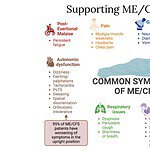
A comprehensive guide for ME/CFS patients and their caregivers on accessing palliative care services while dealing with illness stigma. Learn about patient rights, caregiver support, and strategies for advocating with healthcare providers to ensure proper care and symptom management.

An elderly man kept landing in the hospital, dehydrated again and again, until a diagnosis finally explained why. Intravascular dehydration can hide in plain sight in older adults. Learn what sets it apart from ordinary dehydration, how IV fluids can restore comfort, and what caregivers should watch for near the end of life.

When diabetes insipidus collides with failing kidneys and a struggling heart, caregiving gets complicated fast. This guide walks through real caregiving moments, explains why common heart drugs can be risky for someone with kidney disease, and outlines signs that mean it is time to call palliative care or hospice.

Ninety-five percent of adults want to grow old in their own homes, yet most are not confident they will get to. This article breaks down four practical strategies for aging in place safely, plus a fifth: partnering with a health navigation specialist or death doula who knows your community.

Adrenal cancer metastasis can lead to adrenal insufficiency and crisis, posing significant challenges. This article explores the connection between metastasis and adrenal crises. It offers practical advice for nurses, caregivers, and family members on providing the best care and support for their loved ones.

Skin is the body's largest organ, and it's often the first to show signs of dying. This guide walks caregivers through SCALE, the most common skin changes near the end of life, gentle ways to reduce the risk of injury without medication, and exactly when to call the medical team. Comfort matters more than cure here.

Hospice care is reaching more families than ever, but the systems meant to support that growth have not kept pace. Nurses lack the training to document eligibility correctly. Family caregivers report financial strain, physical exhaustion, and feeling abandoned. Here is what agencies and families can do about it.

When heart failure or lung disease enters your life, numbers like BNP, ejection fraction, and FEV1 can feel like a report card. But real health goes beyond lab results. Discover why your symptoms, daily choices, and early palliative care matter far more than chasing a better number.

Pruritus, or persistent itching, can significantly impact your loved one's comfort and quality of life. This guide helps caregivers, nursing aides, and family members recognize pruritus through visual observation and reported symptoms, understand prevention strategies, and explore both nonpharmacological and pharmacological treatment options to provide compassionate, effective care.

Caring for a loved one with a chronic or terminal illness is one of the hardest things a person can do. Your body and mind carry more than most people realize. Box breathing — a simple four-count breathing technique — can help you reset, reduce stress, and stay grounded, even on the hardest days.

When a loved one stops eating or drinking, fear sets in fast. But the loss of appetite and thirst near the end of life is natural — the body's way of preparing. This article explains the science, the signs, and how to offer comfort without forcing food or fluids, with trusted resources to guide you.

Edema is swelling caused by underlying medical conditions that require professional treatment. This comprehensive guide helps family caregivers, third-party support staff, and end-of-life doulas understand edema as a symptom, providing practical, non-medical comfort measures to support their loved ones while emphasizing the importance of medical consultation for proper diagnosis and treatment.

Trauma doesn't stop at a diagnosis. In palliative and hospice care, unresolved trauma shapes how patients and families experience illness, loss, and death. This article explores SAMHSA's framework, the Iceberg Model, and real-world scenarios that show what trauma-informed care looks like — and why it changes everything.

When someone you love keeps falling, the cause is rarely obvious and almost never "just age." It could be an infection, a medication, a vision problem, or an early sign that the brain is changing. This article walks you through what dementia really is, what to rule out, and exactly how to advocate for answers.

The PureWick™ System appears to simplify urinary incontinence care for hospice patients, but experienced nurses warn of serious complications. From infections to severe skin breakdown, continuous use creates risks that families rarely anticipate. Learn what hospice providers wish every family knew before using this device.

Family caregivers across America face an invisible crisis. Chronic stress from caring for loved ones creates a vicious financial cycle—missed work, mounting medical bills, strained relationships, and declining health. With $14.1 trillion in annual costs nationwide, it's time to recognize this burden and connect families with help.

Learn why vital signs don't tell the full story in hospice care. Explore how skilled nurses use their senses, experience, and meaningful conversations to assess patient comfort and disease progression, providing more personalized end-of-life care.

Blood pressure medications save lives, but too much of a good thing can be deadly for older adults. Learn how orthostatic hypotension from over medication causes falls, what warning signs to watch for, and why patients and caregivers must advocate for regular medication reviews. A hospice nurse shares a remarkable story.

Despite safety warnings, one in four Medicare beneficiaries with dementia are prescribed brain-altering medications linked to falls, confusion, and hospitalization. Over two-thirds lack documented clinical need. Learn why insurance guidelines override patient care, the truth about antidepressants, and how to advocate effectively.

Most seniors want to stay in their own homes as they age, but many families don't know all their options. Naborforce provides flexible, on-demand help with errands and companionship, while PACE offers comprehensive medical and social services. Learn how these programs work separately or together to support aging at home.

CMS finalized age-friendly hospital measures in 2026, yet medication remains the leading source of preventable harm for older adults. Why? Insurance companies have seized control of American healthcare, directing what providers prescribe based on profit, not patient need. Doctors follow insurance guidelines, mistakenly believing this equals patient-centered care. The result: over 450,000 emergency visits annually from adverse drug events, falls, delirium, and devastated families. This guide exposes the system and provides advocacy tools to protect your loved ones.

T-cell acute lymphoblastic leukemia affects how your body makes blood cells. This guide explains what T-cell ALL is, how doctors diagnose it, treatment options, and when specialized care like palliative or hospice services can help. Learn why everyone 18 and older benefits from advance care planning with values-focused specialists.

Oral thrush can develop quickly in vulnerable patients, especially those using inhaled steroids, nebulizers, or certain antibiotics like Rocephin. This guide helps caregivers and healthcare workers recognize thrush early through visual observation, understand prevention strategies, and know when treatment is needed.

Family caregivers face unique challenges when aging parents refuse help. Learn three proven strategies—including PACE programs and Health and Life Navigation Specialists—to break through resistance while honoring dignity. Plus, discover why ensuring your parent's advance directives are current and you have medical access is critical.