When Comfort Matters Most: A Compassionate Guide to Pain Management Ethics in End-of-Life Care
Published on
Updated on

Guiding Life's Journey with Care
Guiding Life's Journey with Care
Published on
Updated on

Table of Contents
Picture this.
An 82-year-old man lies in his bed at home, grimacing with each breath. His daughter hovers nearby, torn between wanting her father comfortable and fearing that more medication will somehow steal their remaining days together. The hospice nurse arrives, reviews the chart, and sees that despite several dose adjustments, the patient still rates his pain as severe. Should they increase the morphine again? What if it makes him too sleepy to talk? What if—and this is the fear that keeps everyone frozen—what if it hastens his death?
These moments happen every single day in hospice care. They’re heavy. They’re complicated. And they demand answers that honor both medical ethics and human dignity.
Your 75-year-old grandmother might metabolize morphine completely differently from your neighbor’s 75-year-old father. Age changes how our bodies process medications—kidneys work more slowly, liver function declines, and the ratio of fat to muscle tissue shifts dramatically. What works perfectly for one frail elderly patient could cause dangerous side effects in another, even when they share the same diagnosis and age.
Cognitive impairment adds another layer of complexity. Dementia doesn’t just affect memory. It changes how patients experience and communicate pain. A patient with advanced Alzheimer’s can’t tell you where it hurts or rate their pain on a scale.
When healthcare providers apply identical medication regimens to different patients, trouble follows. One patient becomes oversedated and is unable to interact with family. Another continues suffering because the standard dose falls short. Polypharmacy—taking multiple medications simultaneously—is extremely common in elderly hospice patients. Each drug interacts with others, creating a unique chemical landscape for that individual.
Genuine patient-centered care starts with listening. Not just to symptoms, but to what matters most to each person. Some patients value alertness above all else—they’d rather have some pain if it means clearer conversations with grandchildren. Others prioritize comfort, accepting drowsiness as a fair trade for relief.
The HOPE tool provides structure for this individualized approach. Its Symptom Impact Assessment evaluates how pain affects daily activities, sleep, concentration, and the ability to interact with loved ones. This shifts focus from just asking “Does it hurt?” to “How is pain changing your life right now?”
Your patient’s cultural background, spiritual beliefs, and personal history all shape their experience of pain and their comfort goals. A patient who fears losing control might refuse sedating medications. Another patient from a culture that views suffering as redemptive might initially resist aggressive pain management. Honoring these preferences isn’t optional—it’s foundational to ethical care.
“Start low, go slow” isn’t just a catchy phrase. It’s a safety principle grounded in how frail bodies respond to powerful medications. Lower initial doses allow healthcare teams to observe how each patient metabolizes and tolerates pain medications. This approach prevents the dangerous overshooting that can lead to respiratory depression, excessive sedation, or falls.
Aggressive initial dosing might seem compassionate—after all, the patient is suffering right now. But rapid escalation narrows the margin between relief and harm. When elderly patients with altered pharmacokinetics receive too much medication too quickly, they can develop delirium, stop breathing adequately, or lose consciousness. Then families panic, assuming hospice medications are “ending” their loved one’s life.
Going slow allows for careful observation and adjustment. It builds trust. It demonstrates that the goal is comfort, not sedation.
Hospice Outcomes and Patient Evaluation (HOPE) replaced older assessment methods with a comprehensive, real-time evaluation system. Unlike retrospective chart reviews, HOPE captures the patient’s current experience through structured interviews and observations.
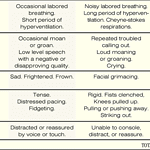
HOPE standardizes assessment while preserving individualization. Eight common symptoms—including pain, shortness of breath, anxiety, nausea, and constipation—are evaluated using a consistent scale:
This consistent language helps the entire healthcare team understand exactly what’s happening.
Here’s where HOPE becomes truly responsive. When any symptom scores as moderate (2) or severe (3), a Symptom Follow-up Visit must occur within two calendar days. Not next week. Not when it’s convenient. Within 48 hours.
This requirement ensures timely intervention when patients are suffering. The follow-up visit reassesses the same symptoms to determine whether the interventions were effective. Did the increased morphine dose actually reduce pain? Did the anti-anxiety medication help? The data shows what’s working and what needs adjustment.
Medications that provide excellent relief on Day 1 might stop working on Day 5. Pain can intensify as the disease progresses. New symptoms emerge. Regular reassessment catches these changes before patients endure prolonged suffering.
Think of pain management as a conversation between the patient’s body and the medication regimen. Each dose adjustment provides information. Frequent visits allow for small course corrections that prevent major problems. A patient who develops confusion after a morphine increase might do better with a different opioid. You only discover this through careful monitoring.
Family members and medical power of attorney holders are essential partners in this monitoring process. They observe the patient between professional visits. They notice subtle changes in alertness, appetite, or comfort. When healthcare teams actively involve families in assessment and decision-making, everyone gains a clearer picture of what’s working.
Let’s say this clearly: Appropriately dosed hospice medications do not kill patients. Research consistently shows that adequate pain management doesn’t shorten life. The disease causes death. Pain medications provide comfort during the natural dying process.
The principle of double effect helps clarify this distinction. When the primary intention is relieving suffering—even if a potential secondary effect could be life-shortening—the ethical justification holds. But in practice, appropriate pain management in hospice rarely carries this risk. Patients develop tolerance to respiratory depression far more quickly than they develop tolerance to pain relief.
Studies examining pain management in terminally ill elderly patients reveal something surprising. Uncontrolled pain actually worsens outcomes. Patients with severe, untreated pain experience greater physiological stress, worse sleep, increased anxiety, and faster decline. When pain is managed effectively, patients often live longer and better.
Regulatory scrutiny creates real fear among prescribers. In an era of heightened opioid oversight, even hospice physicians worry about board complaints or audits. Some healthcare systems impose rigid prescribing limits that don’t account for end-of-life needs. Clinicians caught between relieving suffering and avoiding professional consequences sometimes choose caution over compassion.
Many families hold deep-seated beliefs that morphine “ends” life. These fears often stem from watching previous loved ones receive pain medication shortly before death. They connect the two events causally, missing that the dying process itself prompted the increase in medication. Cultural and religious beliefs about suffering also influence family comfort with aggressive symptom management.
Undertreated pain destroys quality of life. It causes depression, anxiety, and sleep disturbance. It prevents meaningful interaction with family. It robs patients of dignity and peace in their final days. When fear—whether among clinicians or families—prevents adequate relief, everyone loses.
Not all opioids work identically. Morphine remains the gold standard for many patients, but some respond better to oxycodone, fentanyl, or hydromorphone. Non-opioid medications—including acetaminophen, gabapentin for nerve pain, or medications for bone pain—play important supporting roles. Finding the right medication sometimes requires trial and adjustment.
The right dose is the dose that provides adequate relief with tolerable side effects. This varies enormously between patients. A dose that oversedates one patient might barely touch another’s pain. Starting low and increasing gradually allows clinicians to find each patient’s therapeutic window.
Some patients need around-the-clock dosing to maintain steady pain control. Others do well with as-needed medication for intermittent pain. The HOPE Symptom Impact Assessment helps teams understand whether current frequency adequately controls symptoms or whether adjustments are needed.
Even as cognitive function declines, patients retain preferences and personhood. Respecting autonomy means honoring advance directives, eliciting current preferences whenever possible, and making decisions that align with the patient’s values when they can no longer communicate. Some patients clearly state they’d rather have some pain than heavy sedation. Ethical care respects these choices.
When patients can’t make decisions independently, their designated medical power of attorney steps in. These individuals should make choices based on what the patient would want, not what the family prefers or what seems easiest. Healthcare teams support this process by providing clear information about options, expected outcomes, and the patient’s observable comfort level.
Families watching someone die carry their own suffering. Their needs for information, reassurance, and support matter. But the patient’s comfort remains paramount. When family reluctance to increase medications conflicts with the patient’s observable distress, skilled healthcare teams work through these tensions with compassion and education.
Start slow and monitor closely. Begin with conservative doses appropriate for frail elderly patients. Watch carefully for both therapeutic response and side effects.
Schedule more frequent visits during medication adjustments. Don’t wait until the next scheduled visit if you’ve changed your pain management. Follow up within 48 hours to assess effectiveness.
Commit to case-by-case assessment. Resist the temptation to apply protocols uniformly. Each patient’s physiology, disease process, symptom burden, and goals of care are unique.
Use structured tools like HOPE to guide your assessments while preserving clinical judgment.
Don’t let fear of regulatory scrutiny prevent you from providing adequate comfort care. Document thoroughly, dose appropriately, and advocate for your patients’ relief.
Ask questions about your loved one’s comfort. Don’t assume everything possible is being done. If your family member appears to be in pain, speak up.
Advocate for individualized care. Resist one-size-fits-all approaches. Insist that providers consider your loved one’s specific needs, responses, and preferences.
Don’t let fear stand in the way of relief. Understand that hospice medications, when properly dosed and monitored, provide comfort without causing death. The goal is always dignity and peace, never hastening the end.
Engage with your hospice team as partners. Share observations about symptoms between visits. Provide honest feedback about what’s working and what isn’t.
Remember that advocating for adequate pain management honors your loved one’s life by ensuring their final chapter is as comfortable and meaningful as possible.
Understanding the Importance of the PAINAD Scale in Pain Assessment for Terminally Ill Patients
Articles on Advance Directives
Eldercare Locator: a nationwide service that connects older Americans and their caregivers with trustworthy local support resources
Find the Long-Term Care Ombudsman Program in Your State
Greater National Advocates Directory of Independent Patient Advocates
Patients Voices Matter Foundation – Empowering Patients, Transforming Lives
Independent Patient Advocate – Independent, non-clinical patient advocacy nationwide. Health Navigation, SSDI Application & Appeals, and Whole Health Advocacy. 100% remote. No insurance accepted.
Compassion Crossing, LLC – Independent, clinical patient advocacy nationwide.
Natural Death With Dignity: Protecting Your Right To Refuse Medical Treatment
Beyond the Living Will: Creating Effective Advance Directives and Value-Based Advance Care Planning: A Guide for Helping Professionals
Death and Dying: A Good Exit Plan
Free Daily Symptom Tracker: Each headache, flare, or fatigue spike reveals a clue. This two-page Daily Symptom Tracker records sleep quality, food intake, triggers, severity, and effective relief methods—all in one place. Use it daily for 31 days and share the pages with your healthcare provider or health navigation expert. Together, you can move from guessing to addressing the root cause. Instructions on how to use the free daily symptom tracker and the free daily symptom tracker.
Free Caregiver and Dementia Training Videos
CaringInfo – Caregiver support and much more!
The Hospice Care Plan (guide) and The Hospice Care Plan (video series)
Understanding Palliative Care: A Guide to Common Questions and Answers
Bridging the Gap: Palliative Care’s Role in Supporting Rare Disease Patients
Comprehensive Guide to Financial Assistance for Hospice and Palliative Care Patients
Surviving Caregiving with Dignity, Love, and Kindness
Caregivers.com | Simplifying the Search for In-Home Care
Geri-Gadgets – Washable, sensory tools that calm, focus, and connect—at any age, in any setting
Healing Through Grief and Loss: A Christian Journey of Integration and Recovery
This site uses Amazon Associate links, which means I earn a small commission when you purchase books or products through these links—at no extra cost to you. These earnings help me keep this website running and ad-free, so I can continue providing helpful articles and resources at no charge.
If you don’t see anything you need today but still want to support this work, you can buy me a cup of coffee or tea. Every bit of support helps me continue writing and sharing resources for families during difficult times.
VSED Support: What Friends and Family Need to Know
Take Back Your Life: A Caregiver’s Guide to Finding Freedom in the Midst of Overwhelm
The Conscious Caregiver: A Mindful Approach to Caring for Your Loved One Without Losing Yourself
Everything Happens for a Reason: And Other Lies I’ve Loved
Final Gifts: Understanding the Special Awareness, Needs, and Communications of the Dying
One-to-One Hospice Nurse Coaching
Self-Paced Hospice Nurse Courses
Digital Downloads for Hospice Teams
The following are hospice-related digital products intended to aid benefit clinicians and agencies:
Empowering Excellence in Hospice: A Nurse’s Toolkit for Best Practices book series
The best symptom management book the author has read: Notes on Symptom Control in Hospice & Palliative Care
Holistic Nurse: Skills for Excellence book series