The Gap Between Generic Forms and True Peace of Mind: A Guide to Meaningful Advance Directives

Everyone 18 and older needs advance directives, but how do you choose between free forms, attorneys, or end-of-life doulas? We break down the costs, pros, and cons of each to help you ensure your medical wishes are honored.
Building Confidence in Home Hospice: A Proven Path to Better Patient Care

Hospice providers have proven strategies to reduce symptom burden and boost satisfaction scores. Discover how combining nurse practitioner telehealth visits, educational videos, and end-of-life doula support transforms caregiver confidence and patient comfort in home-based care.
Beyond Medical Care: How End-of-Life Doulas Transform the Journey for Patients and Families

End-of-life doulas offer untapped potential as compassionate partners in healthcare. These trained professionals complement hospice care by providing extended emotional and spiritual support, serving as life transition coaches long before hospice is needed—enhancing end-of-life experiences for families.
Why Planning for Long-Term Care Today Protects Your Family’s Tomorrow: The Critical Role of Elder Law Attorneys and Health and Life Navigation Specialists

A heartbreaking Facebook post reveals the devastating reality when families don't plan ahead for long-term care. Learn how Medicaid Asset Protection Trusts and working with life transition coaches years in advance can protect your home, savings, and dignity—and why the five-year lookback means you must act now.
Living Without Regret: What 300 Dying Patients Taught Us About What Truly Matters

After 15 years and 300 final breaths, nurse Laura M. discovered seven profound truths about what truly matters in life. Her patients didn't fear dying—they feared not having really lived. Learn these life-changing lessons and discover how life transition coaches can help you live with fewer regrets and ensure your wishes are honored.
The Transformative Role of Death Doulas: Bridging Gaps in End-of-Life Care

End-of-life doulas provide non-medical support that transforms dying experiences through education, emotional companionship, and advocacy. Learn how these trained professionals help patients and families navigate terminal illness with dignity, how healthcare providers can partner with doulas, and what to look for when selecting one.
Finding Peace in Loss: How End-of-Life Doulas and Health and Life Navigation Specialists Support Families Through Grief

Quality end-of-life care reduces complicated grief among families. Research shows that families who feel supported and witness dignified care experience fewer prolonged grief reactions. Learn how life transition coaches and end-of-life doulas provide essential emotional, spiritual, and practical support that bridges gaps in healthcare, helping families navigate loss with greater peace and understanding.
No One Has to Die Alone: How End-of-Life Doulas Provide Comfort and Companionship

The fear of dying alone is growing as families live farther apart and more people age without close support networks. End-of-life doulas and life transition coaches offer a solution by providing continuous companionship, emotional support, and guidance throughout serious illness and the dying process.
Making Compassionate Care Accessible: A Guide to Sliding Scale Fees for End-of-Life Doulas

Looking to determine appropriate pricing for end-of-life doula services? This detailed guide compares sliding-scale fees with full-price and donation-based options. Learn effective strategies for establishing fair rates, applying a sliding-scale system, and ensuring compassionate care remains affordable for all families.
When Hospice Isn’t Enough: How End-of-Life Doulas Fill Critical Care Gaps in For-Profit Agencies

Research shows private equity-owned hospice agencies spend less on direct patient care, leading to higher hospitalization rates and poorer quality. End-of-life doulas bridge these gaps by providing emotional, social, and spiritual support, vigil planning, and legacy projects that most hospice agencies don't offer.
What Matters Most: The Three Things People Want Before They Die

A palliative care doctor shares people's three most common wishes at the end of life: mending relationships, expressing gratitude, and saying "I love you." Planning for a good death with the help of a life transition coach can help you accomplish more meaningful goals and ensure your final days reflect your values.
Aromatherapy for Life’s Challenges: Supporting Anxiety, Grief, Loss, and End-of-Life Care

Explore how aromatherapy and essential oils relieve anxiety, grief, loss, and critical symptoms like pain and nausea across all stages of life. Practical, safe use tips are provided for caregivers, doulas, and health professionals to support holistic well-being.
Using the RAIN Method to Navigate Grief, Loss, and Anxiety with Compassion

The RAIN method is a powerful mindfulness technique that helps individuals process grief, loss, and anxiety. This four-step approach—recognize, allow, investigate, and nurture—provides a compassionate way to work through difficult emotions. Learn how caregivers, family members, and end-of-life professionals can use RAIN.
A New Path Forward: Using the Frailty Trajectory Model to Navigate Healthcare Decisions
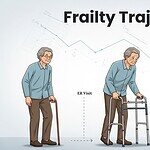
The Frailty Trajectory Model offers a new way to understand how health changes over time, especially for older adults. This approach helps healthcare practitioners and life transition coaches guide patients through illness with compassion and clarity, making it easier to plan care that matches personal values and goals.
Guide to Becoming a Death Doula: Training Paths and Hidden Pitfalls

Becoming a death doula requires proper training, not just good intentions. While many suggest starting as a hospice volunteer, this path is fraught with problems - from limited training to ethical conflicts. Learn the right way to enter this meaningful field through legitimate certification programs and educational resources.
Understanding Medication Risks in Hospice Dementia Care: A Guide for Families and Healthcare Teams

Recent University of Michigan research found that benzodiazepines and antipsychotics commonly prescribed in hospice care may significantly increase mortality risk for people with dementia. This article explores these findings and provides essential advocacy guidance for families, caregivers, and hospice professionals.
When Treatment Conflicts with Values: Why Planning Your Care Goals Before Illness Is Critical

New research reveals that 37% of advanced cancer patients feel their treatment doesn't match their personal care goals—nearly twice the rate of other serious illnesses. This disconnect highlights our healthcare system's focus on fixing problems after they occur, without considering comfort or quality of life. Discover why planning your values and care preferences before illness strikes can prevent this misalignment and ensure you receive care that truly honors what matters most to you.
Breathing Support Decisions at End-of-Life: When Comfort Matters More Than Time

Facing difficult decisions about breathing support at the end of life? Understand the differences between BIPAP, intubation, and ventilators. Learn how complete advance directives guide families toward comfort-focused care and how end-of-life doulas provide affordable, compassionate support during these challenging choices.
Building Bridges of Care: How End-of-Life Doulas Create Trusted Referral Pathways for Hospice and Palliative Care

End-of-life doulas, also called death doulas or life transition coaches, provide trusted guidance. As independent professionals who support families through illness and transition, we serve as reliable referral sources for hospice agencies and palliative care providers.
Healing Touch: How MNRI Transforms End-of-Life Support for Grief and Trauma
End-of-life doulas play a crucial role in supporting families through grief and trauma. Learn how Masgutova Neurosensorimotor Reflex Integration (MNRI) offers powerful, gentle techniques to help clients process difficult emotions and find healing during life transitions.
How SupportNow.org Transforms Support for Families Facing End-of-Life Challenges

Learn how SupportNow.org can transform the way end-of-life doulas, caregivers, and families coordinate practical support during life's most challenging moments. This free platform brings together financial help, meal coordination, volunteer assistance, and family updates in one simple place.
Bridging the Care Gap: How End-of-Life Doulas Support Hospices in the Age of Telehealth

Hospice agencies worldwide face critical staffing shortages, leading to increased reliance on telehealth services. While virtual care helps bridge gaps, the absence of on-site presence creates challenges in patient care. End-of-life doulas offer a compassionate solution, providing essential non-medical support that complements telehealth hospice services and ensures comprehensive care for patients and families.
How End-of-Life Doula Training Creates Better Hospice Experiences for Patients and Families

End-of-life doulas are transforming hospice care quality through specialized training and collaborative partnerships. Learn how these compassionate professionals enhance patient experiences, support families, and improve hospice satisfaction scores when properly integrated into care teams.
The Hidden Reality of Dialysis: Understanding Life Support, Quality of Life, and Planning Ahead

Dialysis is a choice, not a requirement for end-stage kidney disease. While this life support treatment can extend life, it significantly impacts quality of life through fatigue, time constraints, and physical challenges. You have the right to choose comfort care and hospice instead. Learn why discussing dialysis preferences should be part of every living will and how end-of-life doulas can help navigate these important decisions.