The Gap Between Generic Forms and True Peace of Mind: A Guide to Meaningful Advance Directives
Published on December 29, 2025
Updated on December 27, 2025
Published on December 29, 2025
Updated on December 27, 2025

Table of Contents
In emergency rooms and intensive care units, doctors and nurses carry a silent, heavy wish. It isn’t for a new piece of technology or a miracle drug. Their wish is simple yet often unfulfilled: that their patients had spoken up about what they wanted before they lost the ability to speak.
When a crisis strikes, the atmosphere in the room shifts instantly. If a patient arrives unable to communicate, the medical team turns to the family. In these high-stakes moments, grief and panic often paralyze loved ones. They look to the doctor with fear, terrified of making the “wrong” choice.
Doctors wish patients knew that advance care planning isn’t about giving up. It is about giving your loved ones a map. It is about sparing them the agonizing burden of guessing. Without a clear plan, doctors are legally and ethically required to do “everything” to keep a body alive—even if “everything” means painful interventions that might not align with the person you are.
Planning transforms chaos into grace. It ensures the medical team treats you—your values, your comfort, your soul—rather than just treating a failing organ.
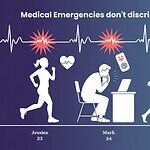
There is a dangerous myth that this planning is only for the elderly or the terminally ill. Many think, “I’m young and healthy; I don’t need this.”
However, accidents do not discriminate by age. A car crash or sudden illness can happen to an 18-year-old just as easily as an 80-year-old. Legally, once you turn 18, your parents are no longer your automatic decision-makers. If you are a young adult in a coma without these documents, your family may face a long, expensive court battle just to get the right to make decisions for you.
This is why everyone age 18 and older needs an up-to-date set of advance directives. It is a rite of passage into adulthood and a profound gift of love to your family.
Before choosing a path, you need to understand the tools.
A Living Will tells doctors how you want to be treated if you are dying or permanently unconscious. It addresses the “what ifs.” Do you want artificial life support? CPR? A feeding tube? It is your letter to the future, ensuring your voice is heard when you are silent.
A Medical Power of Attorney (or Healthcare Proxy) names a specific person to make decisions for you. Choosing this person is critical. Doctors wish you knew that this doesn’t have to be your spouse or oldest child. It must be someone who can stand firm under pressure and honor your wishes, even if other family members disagree.
How you complete these documents matters immensely. There are four paths, but only one truly prioritizes your physical and emotional comfort.
Most hospitals provide standard forms for free.
The Reality: Accessible, but basic. These forms meet minimum legal requirements but are often handed out by administrative staff who cannot explain the complex medical realities of the boxes you are checking.
Sites like LegalZoom offer forms for up to $200.
The Reality: An attorney has reviewed the template, but that attorney isn’t sitting with you. You are paying for digital convenience, but you are still navigating complex medical decisions alone.
You can hire an elder law attorney.
The Cost:
The Reality: The “Pro” here is often misunderstood. Yes, an attorney can create a comprehensive plan to protect your assets and reduce taxes—but this service typically costs between $6,000 and $12,000.
More importantly, while these attorneys have high legal authority, they often lack an understanding of the values critical to end-of-life care. They know the law, not the bedside. They usually use “boilerplate” language to ensure the document holds up in court, but they miss the nuances of pain management, breathing support, and spiritual comfort. A legally perfect document means zero if you are suffering because no one asked the right questions.
This field focuses on guiding people through the dying process with dignity.
The Cost: $150 to $2,000.
The Reality: If you want the most comprehensive directives, this is your path. Health and Life Navigation Specialists and End-of-Life Doulas prioritize values over legalese. They spend hours exploring what “quality of life” means to you. They ensure your plan covers specific pain management, visitor preferences, and nuanced medical views. They fill the gap that lawyers and standard forms miss.
| Feature | Free (Hospitals/Clinics) | Online Legal Sites | Elder-Law Attorney | Health and Life Navigation Specialist / End-of-Life Doula |
|---|---|---|---|---|
| Estimated Cost | $0.00 | $49 to $199 | Docs Only: $200–$900 total Comprehensive Plan: $6,000–$12,000 | $150 to $2,000 |
| Primary Focus | Accessibility & Compliance | Convenience & Basic Legality | Asset Protection & Legal Authority | Comfort, Values, & Comprehensive Care |
| Pros | (2) Financial Cost: Free and accessible at the point of care (hospital admission). | (3) Attorney Review: Basics reviewed by a lawyer (likely not an elder-law specialist). Accessible from home. | (1) Comprehensive Asset Plan: If paying the high package price, it integrates directives with asset protection and tax reduction. High legal standing. | (4) Most Comprehensive Directives: Deeply rooted in personal values. Includes specific desires for breathing support, pain management, visitors, and complex medical interventions. Thorough understanding of POLST/MOST Section B. |
| Cons | (5) Lack of Time/Education: Minimal guidance on how to fill out forms or the medical impact of choices. | (6) Generic Language: Broad terms dump the burden on the surrogate, often leading to “do everything” defaults that cause suffering. | (7) Misses Critical Nuances: Like online sites, they use simple language to “get the job done” legally. Lacks understanding of values needed for comfort. High cost for the comprehensive package. | (8) Unregulated Industry: No governing body or centralized certification. Hard to validate credentials (schools are unaccredited). Vetting must be done via word of mouth and personal interview. |
We often focus on the financial cost, but the price of a bad plan is paid in suffering.
Free forms, online sites, and even expensive attorney-drafted documents often suffer from the same flaw: Generic Language. They use phrases like “no heroic measures.” But what is heroic? Is a feeding tube heroic? Is high-flow oxygen heroic?
When language is vague, the burden falls on your surrogate. If your form just says “no life support,” and you need a ventilator for three days to survive pneumonia, your daughter has to guess. The panic often leads surrogates to push the decision back to providers. Providers, fearing lawsuits, default to doing everything. This leads to patients enduring aggressive, painful treatments they never wanted.
The biggest misconception is that an Elder-Law Attorney guarantees a “better” medical outcome. High legal authority does not equal high-quality care. An attorney can protect your house from taxes, but they rarely ask if you want to be sedated to unconsciousness to avoid pain. They don’t explain the physical reality of CPR on a frail body. You may end up with a document that protects your estate but leaves your body vulnerable to unwanted medical intervention.
The Health and Life Navigation Specialist and End-of-Life Doula focus on the details that actually define your experience.
The advantage of working with these professionals is that they guide you to create a directive that is both thorough and compassionate. They take the time to understand your values, discussing important topics such as antibiotics, artificial hydration, nutrition, CPR versus DNR, and providing a detailed review and education on the POLST/MOST section B for medical interventions, dialysis, pain management, your environment, and more.
They ensure your Power of Attorney has a detailed script, not just a permission slip.
While the holistic route offers the best chance for a peaceful end-of-life experience, you must be careful. The con is that this is an unregulated industry.
There is no national license to check. Anyone can claim this title. All vetting should be by word of mouth and personal interview.
Ask them:
You need someone with a heart for service and a head for the specific rules of your state.
We plan for weddings, births, and retirement. Yet, we often neglect the one event guaranteed to happen to us all. Leaving your end-of-life care to chance is a gamble with your dignity.
Doctors want you to know: Legal authority means nothing if you are suffering. A $10,000 estate plan might save your money, but it won’t necessarily save you from a “bad death” if it lacks medical nuance.
If you are 18 or older, take action today.
Don’t settle for a checkbox. Your life—and your ending—deserves a comprehensive plan.
Articles on Advance Directives
CaringInfo – Caregiver support and much more!
The Hospice Care Plan (guide) and The Hospice Care Plan (video series)
Surviving Caregiving with Dignity, Love, and Kindness
Caregivers.com | Simplifying the Search for In-Home Care
Geri-Gadgets – Washable, sensory tools that calm, focus, and connect—at any age, in any setting
Healing Through Grief and Loss: A Christian Journey of Integration and Recovery
📚 This site uses Amazon Associate links, which means I earn a small commission when you purchase books or products through these links—at no extra cost to you. These earnings help me keep this website running and free from advertisements, so I can continue providing helpful articles and resources at no charge.
💝 If you don’t see anything you need today but still want to support this work, you can buy me a cup of coffee or tea. Every bit of support helps me continue writing and sharing resources for families during difficult times. 💙
VSED Support: What Friends and Family Need to Know
Take Back Your Life: A Caregiver’s Guide to Finding Freedom in the Midst of Overwhelm
The Conscious Caregiver: A Mindful Approach to Caring for Your Loved One Without Losing Yourself
Everything Happens for a Reason: And Other Lies I’ve Loved
Final Gifts: Understanding the Special Awareness, Needs, and Communications of the Dying
Bridges to Eternity: The Compassionate Death Doula Path book series:
Additional Books for End-of-Life Doulas
VSED Support: What Friends and Family Need to Know
Find an End-of-Life Doula
At present, no official organization oversees end-of-life doulas (EOLDs). Remember that some EOLDs listed in directories may no longer be practicing, so it’s important to verify their current status.
End-of-Life Doula Schools
The following are end-of-life (aka death doula) schools for those interested in becoming an end-of-life doula:
The International End-of-Life Doula Association (INELDA)
University of Vermont. End-of-Life Doula School
Kacie Gikonyo’s Death Doula School
Laurel Nicholson’s Faith-Based End-of-Life Doula School
National End-of-Life Doula Alliance (NEDA) – not a school, but does offer a path to certification
Remember that there is currently no official accrediting body for end-of-life doula programs. It’s advisable to conduct discovery sessions with any doula school you’re considering—whether or not it’s listed here—to verify that it meets your needs. Also, ask questions and contact references, such as former students, to assess whether the school offered a solid foundation for launching your own death doula practice.
Holistic Nurse: Skills for Excellence book series
Empowering Excellence in Hospice: A Nurse’s Toolkit for Best Practices book series