When Dementia and Seizures Intersect: A Caregiver’s Guide to Recognition, Management, and Compassionate Care
Published on December 17, 2025
Updated on December 14, 2025
Published on December 17, 2025
Updated on December 14, 2025
Table of Contents
When you’re caring for someone with dementia, each day brings new challenges and learning moments. Perhaps you’ve already adapted to changes in memory, communication difficulties, and shifts in personality. But if your loved one experiences a seizure, it can feel terrifying and overwhelming. You might wonder: Is this normal? What should I do? Could I have prevented this?
You’re not alone in these concerns. Seizures occur more frequently in people with certain types of dementia than in the general older adult population. While this connection isn’t widely discussed, understanding it can help you feel more prepared and confident in your caregiving role. Knowledge truly is power—especially when it comes to recognizing seizures early, responding safely, and knowing when to seek help.
This guide will walk you through everything you need to know about the relationship between dementia and seizures. You’ll learn which types of dementia carry higher seizure risks, how to recognize different seizure types (including subtle signs that are easy to miss), and exactly what to do if a seizure occurs. We’ll also explore medications that may affect seizure risk, when additional support like palliative care or hospice might help, and—just as importantly—how to care for yourself during this challenging time. By the end of this article, you’ll have practical tools and actionable knowledge to help you navigate this aspect of your caregiving journey with greater confidence and peace of mind.
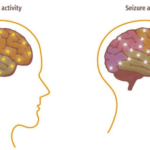
To understand why seizures and dementia are connected, it helps to know what’s happening in the brain. Think of your brain as an incredibly complex electrical system, with billions of nerve cells constantly sending signals to each other. These signals control everything from movement and speech to memory and emotions. In a healthy brain, this electrical activity flows smoothly and in an organized pattern.
Dementia disrupts this delicate system. The brain changes caused by dementia—including the buildup of abnormal proteins, loss of brain cells, and damage to connections between neurons—can interfere with normal electrical signaling. When these disruptions reach a certain point, they can trigger abnormal electrical bursts, which we experience as seizures.
Interestingly, the relationship between dementia and seizures works both ways. Not only can dementia increase the risk of seizures, but seizure activity itself may worsen cognitive decline over time. Research suggests that abnormal electrical activity in the brain—even when it doesn’t cause visible seizures—can interfere with memory formation and cognitive function. This means that managing seizures effectively isn’t just about safety; it’s also about protecting your loved one’s remaining cognitive abilities and quality of life.
Not all types of dementia carry the same seizure risk. Understanding your loved one’s specific diagnosis can help you know what to watch for and when to be especially vigilant.
Alzheimer’s Disease represents the most common connection between dementia and seizures. Research shows that people with Alzheimer’s disease have a seizure risk of approximately 5-15%, which is significantly higher than the 1-2% risk in the general older adult population. The risk appears to increase as the disease progresses, particularly in the moderate-to-severe stages. If your loved one has Alzheimer’s disease and experiences a seizure, know that while concerning, this is a recognized complication of the condition.
Dementia with Lewy Bodies carries an even higher seizure prevalence than other dementia types. This form of dementia, which causes problems with thinking, movement, behavior, and mood, involves the buildup of abnormal protein deposits called Lewy bodies throughout the brain. These deposits can disrupt normal brain electrical activity more readily than some other dementia-related changes. Studies indicate that seizures occur in up to 25% of people with Dementia with Lewy Bodies, making seizure awareness particularly important for families dealing with this diagnosis.
Vascular Dementia, caused by reduced blood flow to the brain, often following strokes, creates seizure risk through a different mechanism. When parts of the brain are damaged by stroke, the injured tissue can become a source of abnormal electrical activity. If your loved one has vascular dementia with a history of strokes, they face an elevated seizure risk, particularly in the areas surrounding previous stroke damage.
Mixed Dementia, where a person has two or more types of dementia simultaneously (such as Alzheimer’s disease combined with vascular dementia), presents multiple risk factors. These combined brain changes may create even greater vulnerability to seizures than a single dementia type alone.
Frontotemporal Dementia shows a lower but still present seizure risk compared to Alzheimer’s disease and Dementia with Lewy Bodies. While seizures are less common with this type of dementia, they can still occur, particularly as the disease advances.
Seizures in dementia don’t follow an entirely predictable pattern, but certain factors can increase the likelihood. Understanding these patterns helps you stay appropriately alert without living in constant worry.
In Alzheimer’s disease, seizures more commonly emerge in the moderate to advanced stages of the disease. However, some people experience seizures earlier in their disease course, particularly those with early-onset Alzheimer’s disease (diagnosed before age 65). Early-onset forms of dementia sometimes show more aggressive disease progression and earlier development of complications like seizures.
Age-related factors also play a role. As people age, their seizure threshold—the point at which abnormal electrical activity triggers a seizure—naturally decreases. When you combine this age-related vulnerability with the brain changes from dementia, the risk compounds. Additionally, older adults often take multiple medications and have other health conditions that can further increase seizure susceptibility.
Certain situations may further increase seizure risk, including infections (especially urinary tract infections and pneumonia), dehydration, medication changes, electrolyte imbalances, and sleep deprivation. Being aware of these triggers can help you maintain extra vigilance during vulnerable times.
One of the most powerful things you can do as a caregiver is learn to recognize when a seizure is happening. Seizures don’t always look like what you might expect from movies or television. Some are dramatic and unmistakable, while others are subtle and easy to overlook—especially in someone who already has cognitive changes from dementia.
Seizures fall into two main categories: generalized seizures, which affect both sides of the brain simultaneously, and focal seizures, which begin in a specific area of the brain. Each type looks different, and recognizing these differences will help you respond appropriately and provide accurate information to healthcare providers.
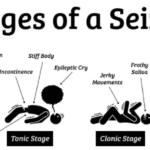
Generalized (Tonic-Clonic) Seizures are what most people picture when they think of seizures. These are the most dramatic types and typically include several distinct phases:
These seizures typically last 1-3 minutes, though it may feel much longer when you’re witnessing it. After the jerking stops, your loved one will likely be confused, exhausted, and may sleep deeply for an hour or more.
Focal (Partial) Seizures begin in one area of the brain and may or may not spread. These seizures are particularly important to recognize in people with dementia because they can be mistaken for normal dementia symptoms or behavioral changes:
Focal seizures may last from 30 seconds to 2 minutes. Your loved one may or may not remember the episode afterward, depending on whether consciousness was affected.
Some seizure activity is so subtle that it’s easy to overlook, especially when your loved one already has dementia. These “hidden” seizures still affect brain function and should be reported to healthcare providers:
The challenge with these subtle signs is distinguishing them from the cognitive changes you’re already seeing. Here’s a key difference: Seizure activity comes on suddenly, happens in distinct episodes, and often includes a noticeable recovery period afterward. Dementia symptoms, by contrast, typically progress gradually and remain relatively consistent from moment to moment.
When you witness what might be a seizure, your observations become crucial medical information. Healthcare providers rely on your detailed description to determine whether a seizure occurred, what type it was, and how to treat it effectively.
During and immediately after a suspected seizure, try to note:
Don’t worry about getting every detail perfect or using medical terminology. Your observations in your own words are exactly what doctors need to understand what happened.
If your loved one has a seizure, your calm, informed response can prevent injuries and provide crucial support. While witnessing a seizure is frightening, remember that most seizures stop on their own within a few minutes. Your role is to keep your loved one safe until the seizure ends naturally.
When a seizure begins, follow these important steps:
Certain actions, though well-intentioned, can cause more harm than good during a seizure:
After the seizure stops, your loved one enters what’s called the “postictal” period—the recovery phase following a seizure. This period involves confusion and exhaustion and may last from several minutes to several hours. Understanding what’s normal during this time helps you provide appropriate support without unnecessary worry.
During the postictal period, your loved one may:
Providing comfort and reassurance during this vulnerable time is essential. Stay with your loved one, speak calmly and reassuringly, and offer comfort even if they can’t fully respond. Explain what happened in simple terms: “You had a seizure, but you’re safe now. I’m right here with you.”
Monitor for injuries that may have occurred during the seizure. Check gently for tongue biting (blood in the mouth), bruises, or tender areas. Look for any signs of more serious injury, like broken bones or head trauma. If you find significant injuries, seek medical attention.
Allow rest and recovery. Most people need to sleep after a seizure. This is normal and healing. Ensure they’re positioned safely (on their side in case of vomiting) and in a comfortable place. Stay nearby to monitor them, but let the rest have the brain and body rest they need to recover.
Creating a detailed seizure log serves two critical purposes: it helps healthcare providers identify patterns and make treatment decisions, and it enables you to feel more in control during an overwhelming experience.
Essential information to record after each seizure:
Creating a seizure log for healthcare providers doesn’t need to be complicated. A simple notebook works perfectly, or you can use a smartphone app designed for seizure tracking. Bring this log to all medical appointments and hospital visits. Over time, patterns may emerge—such as certain times of day, specific triggers, or warning signs—that help guide treatment and prevention strategies.
Knowing when a seizure requires emergency medical intervention can be lifesaving. While many seizures stop on their own and don’t require hospitalization, certain situations demand immediate emergency response.
Do not hesitate to call for emergency help in these situations:
When you call 911, stay calm and provide clear information: your location, that someone is having a seizure, how long it’s lasted, and whether the person is breathing. Follow the dispatcher’s instructions until help arrives.
IMPORTANT: If your loved one is on hospice service, please call the hospice provider and not 911 unless the hospice provider directs you to do so.
Not every seizure requires an ambulance, especially if your loved one has a known seizure disorder and the seizure fits their typical pattern. However, you should contact your healthcare provider within 24 hours if you notice:
Your healthcare provider can evaluate whether these changes require treatment adjustments or further testing. Keep your seizure log handy during these conversations—your detailed observations will guide their recommendations.
One of the most important—and often overlooked—factors in seizure risk is medication. Many commonly prescribed drugs, over-the-counter medications, and supplements can lower the seizure threshold, making seizures more likely to occur. Understanding these risks empowers you to have informed conversations with healthcare providers about the safest medication choices for your loved one.
Several categories of prescription medications commonly used in dementia care can potentially increase seizure risk:
Antipsychotics (especially olanzapine and quetiapine) are frequently prescribed to manage behavioral symptoms in dementia, such as agitation or hallucinations. However, these medications can lower the seizure threshold. This doesn’t mean they should never be used, but it does mean the benefits must be carefully weighed against the risks. If your loved one takes antipsychotics and experiences a seizure, discuss this with their healthcare provider.
Acetylcholinesterase inhibitors (donepezil, rivastigmine, galantamine) are medications specifically designed to treat Alzheimer’s disease by improving cognitive function. While these drugs provide benefits for memory and thinking, research shows they may slightly increase seizure risk in some individuals. Again, this doesn’t mean they should automatically be stopped, but awareness of this potential effect is important.
Antidepressants (certain types) can affect seizure risk differently depending on the specific medication. Some antidepressants are safer than others for people with seizure disorders. Your healthcare provider can help select the most appropriate option if depression treatment is needed.
Antibiotics (high doses of some types) occasionally lower seizure threshold, particularly when used in high doses or in people with kidney problems who cannot clear the medication effectively from their system.
Pain medications (certain opioids) carry varying seizure risks. Some opioids are safer than others for people at risk of seizures. Your healthcare team can help identify the best pain management options.
You might assume that over-the-counter medications are automatically safe, but several common products can affect seizure risk:
Before giving your loved one any over-the-counter medication, check with their pharmacist or healthcare provider about safety, particularly regarding seizure risk.
Natural doesn’t always mean safe. Several popular supplements and herbal products can interact with medications or affect seizure threshold:
Working with healthcare providers to review all medications should be done regularly—at least annually —and more often if your loved one’s health changes or new symptoms emerge. During these reviews, bring a complete list of everything your loved one takes, including:
The Beers Criteria for older adults is a tool healthcare providers use to identify medications that may be particularly risky for older adults. Many medications on this list can increase seizure risk or cause other serious side effects. Ask your healthcare provider if any of your loved one’s medications appear on the Beers Criteria list and whether safer alternatives exist.
Balancing seizure risk with other health needs requires thoughtful discussion. Sometimes a medication that increases seizure risk slightly is still the best choice for managing another serious health condition. The goal isn’t to eliminate all medications with any risk, but rather to make informed decisions about which risks are worth taking for which benefits. Your healthcare team can help you navigate these complex decisions while keeping your loved one’s overall quality of life at the center of the conversation.
If your loved one experiences seizures, prompt medical evaluation helps determine the best management approach. Diagnostic testing after a seizure typically includes brain imaging (such as a CT scan or an MRI) to check for structural causes, blood tests to identify metabolic issues or infections, and possibly an electroencephalogram (EEG) to measure brain electrical activity and identify seizure patterns.
Anti-seizure medications offer benefits and considerations that vary from person to person. These medications work by stabilizing electrical activity in the brain, reducing the likelihood of seizures. Common options include levetiracetam, lamotrigine, and carbamazepine, among others. Your healthcare provider will select a medication based on seizure type, other medications your loved one takes, and their overall health status.
Starting anti-seizure medication is a significant decision that requires careful discussion. Benefits include reduced seizure frequency and lower risk of injury, but potential side effects may include drowsiness, dizziness, confusion, and interactions with other medications. In people with advanced dementia, the impact of medication side effects on quality of life must be carefully weighed against the benefits of seizure control.
Regular monitoring and adjustments ensure medications remain effective and side effects stay manageable. Your healthcare provider will likely schedule follow-up appointments to assess seizure control, check medication levels if needed, and adjust dosages as necessary.
Balancing treatment with comfort becomes especially important when someone has both advanced dementia and seizures. The goal isn’t always to prevent every seizure at all costs, but rather to provide the best possible quality of life. For some people, this means aggressive seizure management; for others, it means focusing primarily on comfort and accepting that occasional brief seizures may occur.
Side effects of anti-seizure medications can significantly impact daily life, particularly in people with dementia. Increased confusion, excessive sleepiness, and unsteadiness can all reduce quality of life and make caregiving more challenging. If you notice concerning side effects, discuss them promptly with your healthcare provider. Sometimes dosage adjustments or medication changes can improve the balance between seizure control and side effects.
When aggressive treatment may not align with goals, it’s appropriate to have honest conversations about what matters most. If your loved one has advanced dementia and a clear preference for comfort over life prolongation, treating seizures with rescue medications during episodes (rather than daily preventive medications) might align better with their values. These decisions are deeply personal and should involve careful discussion with your healthcare team and, if possible, consideration of your loved one’s previously expressed wishes.
Frequent or worsening seizure activity may indicate that your loved one’s condition is progressing or that current treatments aren’t adequately controlling symptoms. If seizures become more frequent despite medication, occur multiple times per week, or become more severe, it’s time to consider whether additional support might benefit everyone involved.
Impact on quality of life extends beyond the seizures themselves. Consider how seizure activity and its management affect your loved one’s daily experience. Are they excessively sedated from medications? Do they seem fearful or anxious? Has their ability to engage in previously enjoyed activities diminished? These quality-of-life concerns deserve attention and discussion with healthcare providers.
Caregiver burden and stress are real and valid concerns. Caring for someone with dementia is already demanding; adding seizure management increases the complexity and stress of caregiving. If you find yourself constantly anxious about the possibility of seizures, exhausted from overnight monitoring, or feeling unable to leave your loved one’s side, you need and deserve additional support.
Many people mistakenly believe palliative care is only for the final days of life, but this isn’t true. Palliative care is specialized medical care focused on providing relief from symptoms and stress of serious illness—and it can be provided at any stage of illness, alongside curative treatments.
What palliative care offers for seizure management includes expert symptom control, medication management and coordination, help navigating complex medical decisions, and support for both patient and family emotional well-being. Palliative care teams include doctors, nurses, social workers, and other specialists who work together to improve quality of life.
Comfort-focused approaches don’t mean giving up or doing nothing. Instead, they mean ensuring that every treatment and intervention is evaluated based on whether it truly improves your loved one’s comfort and quality of life. Palliative care specialists excel at this kind of thoughtful, personalized care planning.
Support for the whole family recognizes that serious illness affects everyone, not just the person who is sick. Palliative care teams provide counseling, help with difficult decisions, and connect families with resources and support services. They can help you navigate disagreements among family members and clarify what matters most.
Palliative care can be provided alongside curative treatments. You don’t have to choose between treating your loved one’s conditions and keeping them comfortable. Palliative care works in partnership with other doctors to ensure all aspects of care work together to support your loved one’s wellbeing.
When to consider hospice care typically comes when dementia has progressed to an advanced stage, and your loved one’s expected life span is six months or less if the disease follows its natural course. Frequent seizures, particularly when accompanied by other signs of advanced dementia (such as difficulty swallowing, recurrent infections, and significant functional decline), may indicate that hospice could provide valuable support.
How hospice manages seizures and dementia symptoms focuses primarily on comfort rather than prolonging life. Hospice teams use medications to prevent and manage seizures while minimizing side effects that reduce quality of life. They provide regular visits from nurses and aides, supply needed medications and equipment, and offer 24/7 phone support for urgent concerns.
The compassionate support hospice provides extends far beyond medical care. Hospice includes emotional and spiritual support for your loved one, extensive caregiver education and support, respite care to give you necessary breaks, bereavement support for your family before and after death, and volunteers who can provide companionship and practical help.
Addressing fears and misconceptions about hospice is vital because many people harbor misunderstandings that prevent them from accessing beneficial care. Hospice doesn’t hasten death—studies show people often live as long or longer on hospice than with aggressive treatments, with better quality of life. Choosing hospice doesn’t mean giving up hope; it means hoping for comfort, dignity, and meaningful time together. You can leave hospice if your loved one’s condition improves or if hospice no longer feels like the right choice.
It’s normal to feel frightened or helpless when you witness a seizure, especially the first time. The experience can be traumatic—seeing someone you love lose consciousness, shake uncontrollably, or seem completely unresponsive strikes at our deepest fears about safety and control. You might find yourself replaying the episode in your mind, feeling anxious about when another seizure might occur, or questioning whether you responded correctly.
These feelings are valid, understandable, and shared by many caregivers in your situation. You are not overreacting, and you are not weak for finding this difficult. Witnessing seizures is objectively frightening, and acknowledging your emotional response is a healthy first step.
Processing trauma after witnessing a seizure may require intentional effort. Talk about the experience with someone you trust—a friend, family member, counselor, or support group. Speaking about frightening experiences helps your brain process them and reduces the intensity of traumatic stress. Consider writing about your feelings and experiences in a journal. Some caregivers find it helpful to separate their seizure documentation (factual, clinical) from personal emotional journaling (feelings, fears, questions).
Finding support and understanding from people who have shared similar experiences can be profoundly healing. Other caregivers of people with dementia and seizures understand your fears in ways that well-meaning friends without this experience simply cannot. Connecting with others who “get it” reduces isolation and provides practical wisdom from those who have walked this path before you.
Building your support network isn’t selfish—it’s essential. Identify at least three people who can provide different types of support: someone for emotional support when you need to talk, someone who can provide practical help (respite care, meals, errands), and someone who can help with medical decision-making discussions. Don’t wait for a crisis to build this network; start reaching out now.
Setting realistic expectations protects you from burnout and guilt. You cannot prevent every seizure, anticipate every need, or be available every moment. You cannot control your loved one’s disease progression, fix their cognitive decline, or make this journey pain-free. You can provide loving, competent care within the boundaries of your own humanity. That is enough—more than enough.
Asking for and accepting help may feel uncomfortable, especially if you’re accustomed to being the strong one. Yet asking for help is a sign of wisdom, not weakness. People often genuinely want to help but don’t know what you need. Be specific in your requests: “Could you stay with Mom on Tuesday afternoon so I can go to the dentist?” or “Would you be willing to drop off a meal next week?”
Taking breaks through respite care isn’t abandoning your loved one; it’s ensuring you remain healthy enough to continue caregiving. Respite care can take many forms: a professional caregiver who comes to your home several hours per week, adult day programs that provide activities and socialization, or temporary stays in residential facilities. Regular breaks allow you to rest, attend to your own health needs, and maintain the other relationships and activities that sustain you.
Support groups for dementia caregivers offer connection, practical advice, and emotional validation. Both in-person and online groups exist. The Alzheimer’s Association (alz.org) maintains an extensive database of local support groups and offers online forums and message boards. Many groups are free and welcome caregivers at any stage of the journey.
Online communities and forums provide support when you can’t leave home or need connection at 2 AM when you’re feeling overwhelmed. Reputable online communities include the Alzheimer’s Association Community Forum, ALZConnected, and the Family Caregiver Alliance Online Support Groups.
Local and national organizations offer education, support, and resources. Consider connecting with: The Alzheimer’s Association (24/7 helpline: 1-800-272-3900), Family Caregiver Alliance (caregiver.org), The Lewy Body Dementia Association (lbda.org), and your local Area Agency on Aging (find yours at eldercare.acl.gov).
Professional counseling options provide specialized support for caregiver stress, depression, anxiety, and grief. Many counselors specialize in caregiver issues and understand the unique challenges you face. Your health insurance may cover counseling services, and some organizations offer counseling specifically for caregivers at reduced or no cost.
You’ve learned a great deal in this article, so let’s distill the most essential information into key takeaways you can carry forward:
Empowerment through knowledge means you now have practical tools to recognize, respond to, and document seizures. You understand when to call 911 and when to schedule a non-urgent healthcare appointment. You know which medications require careful consideration and review. Most importantly, you know that you don’t have to navigate this journey alone.
Knowledge becomes powerful when combined with action. Here are concrete steps you can take starting today:
Create your seizure action plan. Write down exactly what you’ll do if a seizure occurs: who you’ll call, where emergency contact numbers are located, which nearby objects could pose hazards, and where you keep your seizure log. Share this plan with other family members or caregivers. Practice mentally walking through the steps so they become second nature.
Schedule a medication review with your healthcare provider. Make an appointment specifically to review all medications, supplements, and over-the-counter products your loved one takes. Ask specifically about seizure risk and whether any safer alternatives exist. Don’t wait for the next regular appointment—be proactive about this critical conversation.
Build your support team. Reach out to at least one person this week who could provide practical or emotional support. Research one local support group and commit to attending (in-person or virtually). Contact your local Alzheimer’s Association chapter to learn about resources in your area.
Practice self-compassion. Look in the mirror and acknowledge the difficulty of what you’re doing. Speak to yourself with the same kindness you’d offer a dear friend in your situation. Identify one small act of self-care you’ll commit to this week—a 15-minute walk, a phone call with a friend, reading a chapter of a book you enjoy, or an uninterrupted cup of coffee.
You are doing important, meaningful work. Caring for someone with dementia requires extraordinary patience, flexibility, and love. Adding seizure management to your caregiving responsibilities increases the complexity of an already demanding role. Yet here you are—reading, learning, and seeking to provide the best possible care for your loved one. That dedication is remarkable and worthy of recognition.
Asking for help is a sign of wisdom, not weakness. The strongest caregivers recognize they cannot do everything alone and build teams of support around themselves. Whether you reach out to family, friends, professional services, palliative care, or hospice, you are demonstrating the wisdom to recognize limitations and the courage to ask for what you and your loved one need.
Hope and support surround you on the journey ahead. You are part of a vast community of caregivers who understand your challenges, celebrate your small victories, and stand ready to offer support. Resources exist to help you navigate each stage of this journey. You will find your way, one day at a time, one decision at a time, one small victory at a time.
Resources for continued learning and growth ensure you never stop developing your caregiving skills and knowledge—Bookmark reliable websites like compassioncrossing.info, alz.org, and caregiver.org. Sign up for newsletters from organizations specializing in dementia care. Join online communities to ask questions and share experiences. Consider reading books written specifically for dementia caregivers. Every piece of knowledge you gain becomes a tool in your caregiving toolkit.
You are not alone. Thousands of caregivers walk similar paths, facing similar challenges, and finding ways to provide loving, competent care despite the difficulties. You belong to this community, you are supported by it, and you have much to offer it through your own experiences and insights.
Take a deep breath. You’ve taken an important step today by reading this article and expanding your knowledge. Trust yourself, trust the support available to you, and trust that you can handle whatever comes next—because you already have been handling it, and you’ll continue to do so, one moment at a time.
This article is intended for educational purposes and does not replace professional medical advice. Always consult with healthcare providers about your loved one’s specific medical needs and treatment options.
Navigating the Complex World of Dementia and Seizures
Navigating the Critical Moments: Stroke and Seizure Response
Common Medications That May Cause Harm to Hospice Patients
How to read and apply the FAST Scale to stage any type of dementia. Dementia Staging Made Easy
📚 This site uses Amazon Associate links, which means I earn a small commission when you purchase books or products through these links—at no extra cost to you. These earnings help me keep this website running and free from advertisements, so I can continue providing helpful articles and resources at no charge.
💝 If you don’t see anything you need today but still want to support this work, you can buy me a cup of coffee or tea. Every bit of support helps me continue writing and sharing resources for families during difficult times. 💙
Geri-Gadgets – Washable, sensory tools that calm, focus, and connect—at any age, in any setting
Dementia Caregiver Essentials: Comprehensive Guide for Dementia Care (one book that contains the ten books below for less than one-third the price of all ten)
Dementia Home Care: How to Prepare Before, During, and After
DEMENTIA DENIED: One Woman’s True Story of Surviving a Terminal Diagnosis & Reclaiming Her Life
Atypical Dementias: Understanding Mid-Life Language, Visual, Behavioral, and Cognitive Changes
Fading Reflection: Understanding the complexities of Dementia
Ahead of Dementia: A Real-World, Upfront, Straightforward, Step-by-Step Guide for Family Caregivers
Four Common Mistakes by Caregivers of Loved Ones with Dementia and What Do Differently (video)
Articles on Advance Directives
CaringInfo – Caregiver support and much more!
The Hospice Care Plan (guide) and The Hospice Care Plan (video series)
Surviving Caregiving with Dignity, Love, and Kindness
Caregivers.com | Simplifying the Search for In-Home Care
Geri-Gadgets – Washable, sensory tools that calm, focus, and connect—at any age, in any setting
Healing Through Grief and Loss: A Christian Journey of Integration and Recovery
📚 This site uses Amazon Associate links, which means I earn a small commission when you purchase books or products through these links—at no extra cost to you. These earnings help me keep this website running and free from advertisements, so I can continue providing helpful articles and resources at no charge.
💝 If you don’t see anything you need today but still want to support this work, you can buy me a cup of coffee or tea. Every bit of support helps me continue writing and sharing resources for families during difficult times. 💙
VSED Support: What Friends and Family Need to Know
Take Back Your Life: A Caregiver’s Guide to Finding Freedom in the Midst of Overwhelm
The Conscious Caregiver: A Mindful Approach to Caring for Your Loved One Without Losing Yourself
Everything Happens for a Reason: And Other Lies I’ve Loved
Final Gifts: Understanding the Special Awareness, Needs, and Communications of the Dying
Bridges to Eternity: The Compassionate Death Doula Path book series:
Additional Books for End-of-Life Doulas
VSED Support: What Friends and Family Need to Know
Find an End-of-Life Doula
At present, no official organization oversees end-of-life doulas (EOLDs). Remember that some EOLDs listed in directories may no longer be practicing, so it’s important to verify their current status.
End-of-Life Doula Schools
The following are end-of-life (aka death doula) schools for those interested in becoming an end-of-life doula:
The International End-of-Life Doula Association (INELDA)
University of Vermont. End-of-Life Doula School
Kacie Gikonyo’s Death Doula School
Laurel Nicholson’s Faith-Based End-of-Life Doula School
National End-of-Life Doula Alliance (NEDA) – not a school, but does offer a path to certification
Remember that there is currently no official accrediting body for end-of-life doula programs. It’s advisable to conduct discovery sessions with any doula school you’re considering—whether or not it’s listed here—to verify that it meets your needs. Also, ask questions and contact references, such as former students, to assess whether the school offered a solid foundation for launching your own death doula practice.
Holistic Nurse: Skills for Excellence book series
Empowering Excellence in Hospice: A Nurse’s Toolkit for Best Practices book series