A Calmer Approach: Understanding and De-Escalating Patient Agitation
Published on December 31, 2025
Updated on December 27, 2025
Published on December 31, 2025
Updated on December 27, 2025
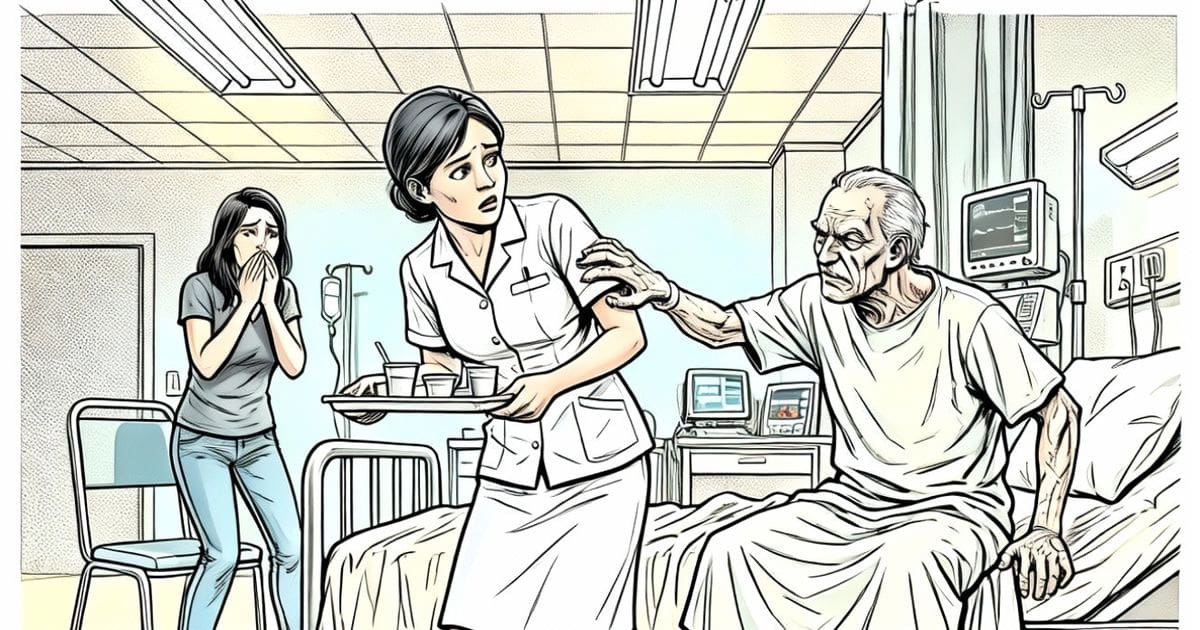
Table of Contents
You walk into the hospital room carrying evening medications. Your patient, who was calm an hour ago, suddenly pushes your hand away and shouts, “Get out! I’m done with all of this!” A family member rises from the chair, voice shaking with anger: “Why won’t anyone listen to us?” The air feels thick with tension, your heart races, and you’re not sure what to say or do next. These moments happen every day in hospitals, clinics, nursing homes, and family living rooms—and they can leave caregivers feeling helpless, blamed, or unsafe. The good news is that patient agitation follows patterns, and there are practical, evidence-based tools to help you respond with calm, compassion, and confidence.
When patients or family members become angry, it’s easy to take it personally or feel attacked. But anger in healthcare settings is almost always masking deeper, more vulnerable emotions like fear, grief, anxiety, or shame. A patient who yells at you about a blood draw may actually be terrified of bad news or remembering past traumatic experiences with the medical system. A family member who snaps, “You people don’t care!” may be drowning in grief and feeling powerless to help their loved one.
Living with serious illness strips away independence, control, and dignity. Anger can be a way to protect oneself from feeling helpless or exposed. When you understand that a loud voice or harsh words are often a cry for help rather than a personal attack, it becomes easier to stay grounded and respond with empathy rather than defensiveness. This shift in perspective is a cornerstone of trauma-informed care and the first step toward de-escalation.
Agitation doesn’t usually appear out of nowhere. There are often early warning signs that someone’s emotional “tank” is getting full. You might notice a patient giving short, clipped answers rather than their usual conversational style. They may avoid eye contact, fidget with the blanket, or suddenly tense up when you mention a certain topic. Family members might start pacing in the hallway, asking the same question repeatedly, or speaking louder and faster than usual.
These small changes are like a yellow traffic light—they’re telling you to slow down and check in before moving forward. When caregivers pause at this stage, take a breath, soften their voice, and say something like, “You seem worried; can we talk about what’s on your mind?”—they can often prevent a whole crisis. Catching agitation early is one of the most powerful tools in your de-escalation toolkit.
In 2016, experts from around the world came together for the 1st International Experts’ Meeting on Agitation to better understand and define what agitation looks like. They identified four key signs that appear when someone is becoming agitated:
When you see several of these signs showing up together, it’s time to shift gears. Instead of pushing through with your task list or trying to reason with logic, pause and use the CALMER framework to bring the emotional temperature down.
The CALMER framework was developed by communication experts in internal medicine, psychiatry, and palliative care at the University of Pittsburgh to give healthcare providers a clear, structured way to manage conflict and agitation. This innovative curriculum has trained more than 500 medical students, residents, and faculty members and has been integrated into medical school curricula at several major academic centers. While initially designed for clinicians, these skills are valuable for nurses, aides, family caregivers—anyone who interacts with people in distress.
The six steps are: Calm, Acknowledge, Listen, Mirror, Empower, and Responsibility. The first four steps often need to be repeated several times during a single conversation, especially when emotions are running high. De-escalation is not a one-and-done process; it’s a conversation that unfolds over time.
What it means:
Before you can help anyone else settle down, you need to regulate your own nervous system. If you’re flooded with fear, frustration, or defensiveness, your body will show it—through your posture, tone of voice, and facial expression.
Why it’s important:
Emotions are contagious. Research shows that when healthcare workers stay calm and steady, patients are far more likely to calm down as well. Your calm presence becomes an anchor in the storm, signaling to the agitated person that they are safe.
How to do it:
Example:
A patient shouts, “If you try to give me that pill again, I’m leaving!” Instead of matching their intensity or arguing, you pause, breathe deeply, and answer in a steady, even tone: “I hear that you’re really upset about the medication. Let’s slow down and talk about what’s worrying you.”
Key takeaway: Your calm is not optional—it’s the foundation of every other de-escalation step. You cannot pour calm into someone else if your own cup is empty.
What it means:
Acknowledging means clearly naming and validating what the person is feeling or worried about—without immediately jumping into explanations, corrections, or problem-solving.
Why it’s important:
When people feel dismissed or ignored, their distress usually escalates. A simple, sincere acknowledgment shows respect and reduces defensiveness because it sends the message: “I see you, and what you’re feeling matters.”
How to do it:
Example:
A family member says, “No one here cares what happens to my mom!” Instead of getting defensive or listing all the care you’ve provided, you respond: “You’re scared for her, and it feels like we’re not showing how much we care. That must be incredibly painful.”
Key takeaway: Acknowledgment is not agreement—it’s respect. You’re not saying they’re right about everything; you’re saying their feelings are real and valid.
What it means:
“Listen” in CALMER means giving focused, non-judgmental attention so the person can fully express what’s troubling them. It’s more than just being quiet—it’s being truly present.
Why it’s important:
People often repeat themselves or escalate their volume when they don’t feel heard. Whole-hearted listening reduces tension by meeting a core human need: to be seen and understood.
How to do it:
Example:
A patient keeps saying, “I’m not taking any more pills!” Instead of arguing about the importance of medication, you ask: “What has your experience with medications been like in the past?” You listen as they describe severe side effects they had years ago and their fear of feeling “drugged and out of control.”
Key takeaway: Deep listening gathers the information you need to respond wisely and helps the person feel less alone in their distress.
What it means:
Mirroring means reflecting the person’s words and feelings back to them in your own language. It shows you’ve understood and gives them a chance to correct you if you’ve misunderstood.
Why it’s important:
Mirroring is one of the most powerful de-escalation tools because it validates the person’s experience and often leads them to soften their tone or share deeper concerns.
How to do it:
Example:
A daughter says, “Every nurse tells me something different about when Mom can go home.” You mirror back: “You’re getting mixed messages from different people on the team, and it’s frustrating because you just want a clear answer. Is that what you’re feeling?”
Key takeaway: Mirroring builds trust and often uncovers the real issue beneath the surface complaint.
What it means:
Empowering means offering the person options and involving them in decisions about their care. Even small choices can restore a sense of control when someone feels powerless.
Why it’s important:
Agitation often grows when people feel they have no say in what’s happening to them. Offering choices—even limited ones—reduces resistance and honors their dignity.
How to do it:
Example:
A patient refuses to take their heart medication. Instead of insisting or lecturing, you say: “I hear that you don’t want to take this right now. Can we talk about what’s getting in the way? And if you decide to take it, would you prefer it with your breakfast or after?”
Key takeaway: Small choices can have a significant impact on reducing agitation and building cooperation.
What it means:
Taking responsibility means owning your part in the situation—whether that’s an actual mistake, a communication gap, or simply the fact that the system has let them down. Following through means doing what you say you’ll do.
Why it’s important:
Trust is fragile, especially in healthcare. When caregivers acknowledge mistakes or system failures and commit to action, it rebuilds trust and reduces anger.
How to do it:
Example:
A family member is angry because their loved one’s pain medication was late. You say: “You’re absolutely right that the medication should have been given on time. I’m sorry that happened. I’m going to check with the pharmacy right now and make sure we prevent this from happening again.”
Key takeaway: Accountability and follow-through build trust—and trust is the foundation of calm, cooperative relationships.
De-escalation skills are powerful, but they are not magic. There are situations where talking will not be enough, and safety must come first—for you, the patient, and everyone nearby.
Call for help or security if:
Important boundary:
You do not have to tolerate abuse. Compassion and boundaries can—and must—coexist. It is possible to be kind and firm at the same time. You can say calmly, “I want to help you, and I need you to lower your voice so we can talk,” or “I’m going to step out for a moment and come back when we can speak respectfully.”
De-escalation works best when there is still a window of opportunity to connect. If that window has closed, prioritize safety and bring in additional support.
The CALMER framework is rooted in a broader philosophy called trauma-informed care. This approach recognizes that many people—patients, families, and healthcare workers—carry histories of trauma that shape how they respond to stress, authority, and medical environments.
Trauma-informed care asks a different question. Instead of “What’s wrong with this person?” it asks “What happened to this person?” This shift moves caregivers from judgment to curiosity, from blame to compassion. It acknowledges that behaviors like anger, mistrust, or shutting down often make sense when you understand someone’s past experiences.
Core principles of trauma-informed care include:
These principles don’t just apply in hospitals or hospice settings. They enrich every relationship—at work, at home, in your community. When you practice seeing anger as a signal of pain, when you slow down to listen before reacting, when you offer choices and honor boundaries, you’re practicing trauma-informed care. And the benefits ripple outward: less stress for you, more trust from patients and families, and a healthcare environment rooted in dignity rather than power struggles.
Understanding trauma-informed care also helps caregivers recognize their own stress and secondary trauma. Compassion fatigue is real, and learning de-escalation skills can actually reduce caregiver burnout by giving you tools that work—tools that help you feel competent, safe, and connected rather than helpless and overwhelmed.
De-escalation is a learnable skill, not an innate talent. No one is born knowing how to stay calm when someone is yelling at them or how to mirror emotions back effectively. These are skills you build through practice, reflection, and a willingness to keep learning.
Start small. Pick one element of the CALMER framework and practice it this week. Maybe you focus on taking three deep breaths before responding to a tense situation. Perhaps you practice acknowledging feelings without jumping to solutions. Notice what happens when you slow down, soften your tone, and get curious instead of defensive. Pay attention to how your own nervous system responds when you intentionally calm yourself first.
If you’re a nurse or healthcare professional looking to go deeper, consider exploring Compassionate Care in Conflict: A Nurse’s Guide to Managing Combative Patients, which offers evidence-based strategies for managing complicated interactions and building trauma-informed practices into your daily work. This resource provides multiple frameworks, case studies, and practical tools for real-world clinical settings.
Most importantly, be kind to yourself. You won’t get it right every time. There will be days when you’re too tired, too overwhelmed, or too triggered to respond perfectly. That’s okay. Growth happens one interaction at a time, one breath at a time. The fact that you’re reading this article and thinking about how to do better means you’re already on the path.
The work of de-escalation benefits everyone—it reduces anxiety and stress for patients and families, and it protects your own well-being and sense of purpose. When you invest in these skills, you’re not just managing conflict; you’re building a culture of compassion, safety, and dignity. And that matters more than you may ever know.
Stay curious. Stay compassionate. Keep learning. You’ve got this.
A Calmer Approach: How to Manage and De-Escalate Patient Agitation
Calming the Agitated Patient: Providing Strategies to Support Clinicians
Holistic Nurse: Skills for Excellence book series
Articles on Advance Directives
CaringInfo – Caregiver support and much more!
The Hospice Care Plan (guide) and The Hospice Care Plan (video series)
Surviving Caregiving with Dignity, Love, and Kindness
Caregivers.com | Simplifying the Search for In-Home Care
Geri-Gadgets – Washable, sensory tools that calm, focus, and connect—at any age, in any setting
Healing Through Grief and Loss: A Christian Journey of Integration and Recovery
📚 This site uses Amazon Associate links, which means I earn a small commission when you purchase books or products through these links—at no extra cost to you. These earnings help me keep this website running and free from advertisements, so I can continue providing helpful articles and resources at no charge.
💝 If you don’t see anything you need today but still want to support this work, you can buy me a cup of coffee or tea. Every bit of support helps me continue writing and sharing resources for families during difficult times. 💙
VSED Support: What Friends and Family Need to Know
Take Back Your Life: A Caregiver’s Guide to Finding Freedom in the Midst of Overwhelm
The Conscious Caregiver: A Mindful Approach to Caring for Your Loved One Without Losing Yourself
Everything Happens for a Reason: And Other Lies I’ve Loved
Final Gifts: Understanding the Special Awareness, Needs, and Communications of the Dying
Bridges to Eternity: The Compassionate Death Doula Path book series:
Additional Books for End-of-Life Doulas
VSED Support: What Friends and Family Need to Know
Find an End-of-Life Doula
At present, no official organization oversees end-of-life doulas (EOLDs). Remember that some EOLDs listed in directories may no longer be practicing, so it’s important to verify their current status.
End-of-Life Doula Schools
The following are end-of-life (aka death doula) schools for those interested in becoming an end-of-life doula:
The International End-of-Life Doula Association (INELDA)
University of Vermont. End-of-Life Doula School
Kacie Gikonyo’s Death Doula School
Laurel Nicholson’s Faith-Based End-of-Life Doula School
National End-of-Life Doula Alliance (NEDA) – not a school, but does offer a path to certification
Remember that there is currently no official accrediting body for end-of-life doula programs. It’s advisable to conduct discovery sessions with any doula school you’re considering—whether or not it’s listed here—to verify that it meets your needs. Also, ask questions and contact references, such as former students, to assess whether the school offered a solid foundation for launching your own death doula practice.
Empowering Excellence in Hospice: A Nurse’s Toolkit for Best Practices book series