When someone you love is diagnosed with acute myeloid leukemia, or AML, the world can feel like it’s turned upside down. You may have questions, fears, and uncertainty about what comes next. This guide is here to walk with you through this journey, focusing on comfort, dignity, and quality of life.
Understanding Acute Myeloid Leukemia Basics
Acute myeloid leukemia (AML) is a type of blood cancer that starts in the bone marrow—the soft, spongy tissue inside your bones where blood cells are made. Think of your bone marrow as a factory that normally produces healthy blood cells. In AML, this factory begins making abnormal, immature cells called blast cells instead of the healthy cells your body needs.
Here’s what happens in simple terms:
Normal bone marrow makes three main types of blood cells:
Red blood cells that carry oxygen throughout your body
White blood cells that fight infections
Platelets that help your blood clot when you’re injured
In AML, the bone marrow becomes crowded with blast cells that don’t work properly. These abnormal cells:
Take up space needed by healthy cells
Cannot do the jobs that normal blood cells do
Keep multiplying quickly without control
This crowding means your body doesn’t get enough healthy blood cells. You may feel tired because you don’t have enough red blood cells. You might get infections easily because your white blood cells aren’t working right. You could bruise or bleed more because you don’t have enough platelets.
AML moves quickly. Unlike some cancers that grow slowly over years, AML can change rapidly over days or weeks. This is why doctors use the word “acute” – it means the disease develops and progresses fast.
Who This Guide Is For
This guide was written with you in mind, whether you are:
A person diagnosed with AML who wants to understand what’s happening to your body and what comfort options are available to you
A family member or caregiver who loves someone with AML and wants to know how to provide the best support and comfort
A friend or loved one is trying to understand how to be helpful during this difficult time
Healthcare workers in hospice and palliative care who want to better serve patients and families facing AML
Anyone who wants to learn about comfort-focused care for people with blood cancers
No matter who you are, this guide speaks to you as a whole person, not just a medical case. You have feelings, relationships, hopes, and concerns that matter deeply. We honor all of these as we explore how to make this journey as comfortable and meaningful as possible.
Focus on Comfort and Quality of Life
This guide takes a different approach than what you might expect from medical information. We’re not going to focus on treatments aimed at curing AML. Instead, we’re going to talk about something equally important and often more relevant for many families: how to live as well as possible with this disease.
Comfort care – also called palliative and hospice care – is built on a simple but powerful idea: your comfort, dignity, and quality of life matter most. This approach recognizes that sometimes the kindest thing we can do is focus on relieving suffering rather than fighting the disease itself.
What This Means for You
If you’re the person with AML, this guide will help you understand:
What physical changes might you experience as the disease progresses
How to manage pain, fatigue, and other symptoms in ways that help you feel better
When palliative care and hospice can provide additional support and comfort
How to communicate your wishes and values to your care team and family
If you’re a family member or caregiver, this guide will help you:
Understand what your loved one is experiencing physically and emotionally
Learn practical ways to provide comfort and support at home
Know when to seek additional help from palliative or hospice care teams
Take care of yourself while caring for someone you love
Our Philosophy of Care
Throughout this guide, we’ll return to these core principles:
Your body knows how to die naturally. Our role is not to speed up or slow down this natural process, but to remove as much preventable distress as possible so you can focus on what matters most to you.
Comfort is not giving up. Choosing comfort care is choosing to live fully and meaningfully, focusing on quality rather than quantity of time.
You are more than your diagnosis. You remain a whole person with relationships, values, preferences, and dignity that deserve respect and protection.
Small comforts matter greatly. Sometimes the most important care involves simple things: a cool cloth on a fevered forehead, favorite music playing softly, or the presence of someone who loves you.
Every person’s journey is unique. While we can describe common experiences with AML, your specific journey will be your own. This guide provides information to help you make decisions that align with your values and goals.
As we move forward together through this guide, remember that seeking comfort and focusing on quality of life is not only acceptable – it’s wise, loving, and deeply human. Whether you’re facing this diagnosis yourself or supporting someone you love, you deserve care that honors your whole person and helps you find peace, meaning, and comfort along the way.
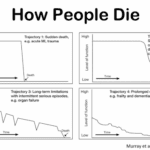
AML Disease Progression from Diagnosis to Death
At Diagnosis: Understanding the Beginning
When AML first shows itself, your body has been quietly struggling for a while. The symptoms that finally bring people to see a doctor often develop over days or weeks, not months. Understanding these early signs helps you recognize what your body has been trying to tell you.
Initial Symptoms That Bring Patients to Medical Attention
The most common symptoms that make people seek medical care include:
Extreme tiredness that doesn’t get better with rest. This isn’t the tired feeling after a busy day – it’s a deep exhaustion that makes simple tasks feel impossible. You might find yourself needing to rest after walking to the mailbox or getting dressed.
Unusual bleeding or bruising that seems to come from nowhere. You might notice large, dark bruises on your arms or legs without remembering how they got there. Your gums might bleed when you brush your teeth, or small cuts might bleed longer than usual.
Getting sick often or infections that won’t go away. A simple cold might linger for weeks, or you might develop frequent fevers without an obvious cause.
Shortness of breath during normal activities. Climbing stairs or walking across a room might leave you feeling winded when it never did before.
Feeling weak or dizzy, especially when standing up quickly. Some people describe feeling like they might faint.
Loss of appetite and weight loss that happens without trying. Food might not taste good anymore, or you might feel full after eating just a few bites.
Blood Test Changes
When your doctor orders blood tests, the key finding that confirms AML is the presence of 20% or more blast cells in your bone marrow or blood. Think of blast cells as baby blood cells that never grew up properly. In healthy bone marrow, you might have 2-3% blast cells. In AML, this number jumps dramatically.
Your doctor might also notice:
Low red blood cell counts, which explains why you feel so tired
Low platelet counts, which explains the unusual bleeding and bruising
White blood cell counts that might be very high, very low, or normal
What Families Can Expect Emotionally and Physically
For the person with AML, the diagnosis often brings a mix of relief and fear. Relief because you finally have an answer for why you’ve been feeling so unwell. Fear because AML sounds frightening and moves quickly.
For family members, the diagnosis can feel like a shock, even if you’ve been worried about your loved one’s symptoms. It’s normal to feel overwhelmed, scared, angry, or sad. Some families describe feeling like they’re in a bad dream.
Physically, you might notice your loved one:
Looks pale or has a grayish skin color
Seems to tire very easily during conversations
May have small red or purple spots on their skin called petechiae
Might run low-grade fevers
Emotionally, both patients and families often experience:
A sense of urgency about making decisions
Difficulty concentrating or remembering things
Feeling overwhelmed by medical information
Worry about the future and what comes next
Middle Stage Progression
As AML progresses, your bone marrow becomes increasingly unable to perform its normal function of making healthy blood cells. This is when you’ll start to notice more significant changes in how you feel and function day to day.
How the Disease Affects Bone Marrow Function
Your bone marrow is like a busy factory that normally produces millions of blood cells every day. In AML, abnormal blast cells crowd out the space where healthy cells should be made. Imagine trying to work in a factory that’s become so cluttered with broken machinery that you can barely move around – that’s what’s happening in your bone marrow.
As more blast cells accumulate:
Fewer red blood cells are made, leading to worsening anemia
Fewer normal white blood cells are produced, making infections more likely
Fewer platelets are created, increasing bleeding risks
This crowding effect means that even if some healthy cells are still being made, there aren’t enough to meet your body’s needs.
Changes in Blood Counts and Energy Levels
Your energy levels will likely continue to decline as your red blood cell count drops. What once felt like mild tiredness may become profound fatigue. You might find yourself:
Needing to rest after activities that used to be easy
Feeling short of breath when lying flat
Having difficulty concentrating or feeling “foggy”
Experiencing heart palpitations as your heart works harder to pump blood
Your body works much harder to perform basic functions with fewer healthy blood cells. This is why rest is so important—your body needs to conserve energy for essential functions.
Physical Symptoms That Develop Over Time
During this middle stage, you may notice new symptoms or worsening of existing ones:
Increased infections because your immune system isn’t working correctly. These might include:
Frequent colds or respiratory infections
Skin infections or slow-healing sores
Mouth sores or dental problems
Fevers without an obvious source
More noticeable bleeding and bruising, such as:
Nosebleeds that happen frequently
Heavy menstrual periods
Blood in urine or stool
Easy bruising from minor bumps
Bone and joint discomfort from the pressure of crowded blast cells in your bone marrow. This might feel like:
Deep aching in your bones, especially in your back, hips, or legs
Joint stiffness, particularly in the morning
General body aches that feel different from muscle soreness
Advanced Stage Changes
As AML progresses to more advanced stages, your bone marrow’s ability to function becomes severely limited. This stage brings more serious complications, but understanding what’s happening can help you and your family prepare and focus on comfort measures.
Bone Marrow Failure and Its Effects
Bone marrow failure means your body can no longer produce enough healthy blood cells to meet your basic needs. Think of it like a factory that has become so overwhelmed that production has nearly stopped.
When bone marrow failure occurs:
Your energy reserves become very limited because there aren’t enough red blood cells to carry oxygen efficiently
Your body struggles to fight even minor infections because there aren’t enough working white blood cells
Even small injuries can cause serious bleeding because there aren’t enough platelets to help blood clot
This isn’t something you did wrong or could have prevented – it’s the natural progression of how AML affects your body.
Anemia, Increased Bleeding Risk, and Infection Susceptibility
Severe anemia becomes a significant challenge during advanced AML. You might experience:
Feeling breathless even while resting
Dizziness or lightheadedness when changing positions
Heart racing or feeling like it’s pounding
Skin that looks very pale, especially around the eyes and fingernails
Feeling cold even in warm temperatures
Bleeding risks increase significantly as your platelet count drops very low. This might show up as:
Bleeding gums even with gentle brushing
Red or purple spots appearing on your skin
Bruises that seem to appear without cause
Blood in urine or stool
Heavy or prolonged bleeding from small cuts
Infections become more dangerous because your immune system is severely weakened. Even normally harmless bacteria can cause serious problems. You might notice:
Fevers that come and go
Infections that don’t respond to usual treatments
Mouth sores or thrush
Skin infections that spread quickly
Pain in Bones and Joints from Crowded Bone Marrow
Bone pain is common in advanced AML because blast cells crowd the space inside your bones. This pain often:
Feels deep and aching rather than sharp
It may be worse at night or when lying still
Often affects the back, hips, ribs, and long bones of the arms and legs
Can come and go or may be constant
Some people describe bone pain from AML as feeling like a deep bruise inside the bone or like pressure building up within the bone. This pain happens because the blast cells take up so much space that they put pressure on the bone itself.
The good news is that bone pain from AML responds well to comfort medications and other pain management techniques that we’ll discuss in the symptom management section.
End-Stage Progression: The Final Journey
Understanding the final stage of AML helps families know what to expect and how to focus on comfort during this sacred time. This stage is about honoring the natural dying process while ensuring your loved one feels as peaceful and comfortable as possible.
Physical Changes in the Final Weeks and Days
In the weeks before death, you may notice several changes that signal the body is beginning to shut down naturally. These changes are normal and are not signs of suffering—they are your body’s way of preparing for a peaceful transition.
Constant coldness, paleness, and severe fatigue become more pronounced as circulation slows down. Your loved one might:
Feel cold even under warm blankets
Have skin that appears pale, bluish, or mottled (blotchy)
Sleep most of the time and have difficulty staying awake for conversations
Show little interest in activities they once enjoyed
Speak more quietly or have difficulty finding words
Changes in eating and drinking are natural as the body’s needs change. You might notice:
Complete loss of appetite
Difficulty swallowing or choking on liquids
A preference for ice chips or small sips rather than full drinks
No interest in favorite foods
Breathing Changes: From Shortness of Breath to Irregular Patterns
Breathing changes are among the most common signs that death is approaching within days or hours. These changes occur because the body’s systems naturally slow down.
In the days before death, breathing might become:
More shallow and rapid
Irregular, with pauses between breaths
Noisy or congested-sounding, sometimes called a “death rattle”
More labored, requiring visible effort
These breathing changes are normal and usually don’t cause distress to the person dying. The congested sound, while difficult for families to hear, typically doesn’t bother the person because they are usually unconscious or deeply sedated.
Decreased Urination and Fluid Intake
As the body prepares for death, the kidneys begin to work less effectively, leading to:
Much smaller amounts of urine
Urine that appears darker or more concentrated
Less frequent urination
Eventually, very little or no urine production
Decreased fluid intake is also natural and protective. The body:
No longer feels thirsty in the same way
May not be able to process fluids normally
Actually becomes more comfortable with less fluid
This decrease in fluids is not uncomfortable for the dying person and helps prevent complications like fluid buildup in the lungs.
Changes in Consciousness and Awareness
Changes in awareness typically develop gradually over the final weeks:
Sleeping more and more, eventually sleeping most of the day
Periods of confusion about time, place, or familiar people
Talking to people who aren’t there or mentioning deceased relatives
Restlessness or agitation, sometimes called “terminal restlessness”
Becoming less responsive to voices or touch
These changes in consciousness are normal and are part of the natural dying process. Although the person may seem unaware, many families report that their loved one appears peaceful.
Understanding the Dying Process
The actual dying process usually unfolds over hours rather than days. During this time, you may observe:
Cool, dry skin and decreased movement as circulation continues to slow. The skin might:
Feel cool to touch, starting with hands and feet
Appear mottled or blotchy, especially on hands, feet, and face
Look pale or have a blue-gray color around the mouth and fingernails
Loss of appetite and natural withdrawal from the world around them. This includes:
No interest in food or drink
Difficulty swallowing
Turning away from social interaction
Focusing inward rather than on external activities
Restlessness or muscle movements that might include:
Moving hands or arms in repetitive motions
Picking at bedsheets or clothing
Trying to get out of bed even when very weak
Making sounds or calling out
These movements are not signs of pain or distress – they are part of how the body naturally transitions toward death.
When Death Typically Occurs and What to Expect
Death from AML usually occurs peacefully once the body’s systems can no longer function. In the final moments:
Breathing may become very irregular with long pauses
The person typically appears unconscious and peaceful
Breathing gradually becomes shallower and slower
Eventually, breathing stops altogether
The moment of death is often very quiet and gentle. Many families describe it as their loved one simply drifting away peacefully, like falling into a deep sleep.
After death occurs, the body will:
Appear very peaceful and relaxed
Have no pulse or breathing
Begin to cool gradually
May release urine or stool as muscles relax completely
Remember that your presence, love, and comfort measures make an enormous difference throughout this process. Even when someone appears unconscious, many people can still hear familiar voices and feel the comfort of a loving touch. Your loved one knows you are there, and that presence is a precious gift during their final journey.
Comfort-Focused Symptom Management
Understanding Palliative Care Philosophy
When someone you love has AML, palliative care offers a different way of thinking about medical care. Instead of focusing only on fighting the disease, palliative care focuses on fighting the symptoms and suffering that come with the disease.
Focus on Comfort, Not Cure
Palliative care is not about giving up—it’s about shifting priorities. If cure-focused care asks, “How can we fight this disease?” Palliative care asks, “How can we help this person feel as comfortable and peaceful as possible?”
This approach recognizes that comfort and quality of life are just as important as length of life, sometimes more so. When treatments become harder on the body than the disease itself, focusing on comfort makes sense.
Palliative care can start at any time during an illness. You don’t have to wait until treatments stop working. Many families find that adding palliative care early actually helps them cope better with everything else that’s happening.
Quality of Life as the Primary Goal
Quality of life means different things to different people. For some, it might mean being alert enough to have conversations with family. For others, it might mean being pain-free, even if that means sleeping more. The key is figuring out what matters most to you and your loved one.
Palliative care teams spend time learning about:
What brings meaning and joy to your life?
What are your biggest fears and concerns?
How do you define a “good day?”
What do you hope for during this time?
What do you absolutely want to avoid?
There are no wrong answers to these questions. Your values and preferences guide all decisions about comfort care.
Symptom Management Alongside Any Treatments
Palliative care can work alongside other medical treatments. If your loved one is receiving blood transfusions, chemotherapy, or other treatments, palliative care can help manage the side effects and symptoms.
The palliative care team works with your other doctors to make sure:
Pain and other symptoms are well-controlled
Treatments align with your goals and values
You understand all your options
You have support for the emotional parts of this journey
This team approach means you get the best of both worlds – medical expertise and compassionate comfort care working together.
Non-Pharmacological Comfort Methods
Non-pharmacological means comfort methods that don’t involve medications. These approaches often work wonderfully alongside medications and sometimes can provide relief when medications aren’t enough.
Pain and Discomfort Management
Positioning and comfort measures can make a huge difference in how comfortable someone feels throughout the day and night.
Good positioning helps because:
It reduces pressure on sore spots
It helps with breathing
It prevents new aches and pains from developing
It shows care and attention to comfort
Simple positioning techniques that often help include:
Using pillows to support arms, legs, and back
Elevating the head of the bed to help with breathing
Placing a pillow between the knees when lying on the side
Using a small pillow or rolled towel to support the curve of the back
Changing positions every few hours to prevent stiffness
Heat and cold therapy are simple but effective comfort measures:
Heat therapy can help with:
Muscle aches and stiffness
Joint pain from AML
General comfort and relaxation
Circulation in hands and feet
If the person is able, try warm (not hot) heating pads, warm moist towels, or warm baths.
Cold therapy can help with:
Acute pain or inflammation
Headaches
Nausea
Feeling overheated
Use cold packs wrapped in a thin towel, cool washcloths, or ice chips.
Relaxation techniques and mindfulness help both the body and mind feel more peaceful. Even people who have never tried these techniques before often find them helpful.
Simple breathing exercises:
Breathe in slowly through the nose for four counts
Hold your breath gently for two counts
Breathe out slowly through the mouth for six counts
Repeat 5-10 times
Progressive muscle relaxation:
Start with toes, tense them for 5 seconds, then relax
Move up through the legs, abdomen, arms, and face
Notice how relaxation feels different from tension
Gentle exercise and movement might seem impossible when someone is very sick, but even small movements can help with comfort, mood, and sleep.
Safe movement options might include:
Stretching arms and legs gently in bed
Sitting up in a chair for short periods
Walking to the bathroom or around the room
Moving arms in circles while sitting
Gentle neck and shoulder rolls
The key is to move only as much as feels comfortable and to stop if there’s pain or severe fatigue.
Environmental modifications can create a more peaceful, comfortable space:
Keep the room at a comfortable temperature
Use soft lighting instead of bright overhead lights
Play quiet, soothing music if the person enjoys it
Minimize noise from TVs, phones, or busy hallways
Keep favorite items and photos nearby
Use soft blankets and comfortable clothing
Consider aromatherapy with gentle scents like lavender
Breathing Support
Shortness of breath and breathing difficulties are common with AML, especially as the disease progresses. Non-medication approaches can provide significant relief.
Positioning to ease breathing difficulties is one of the most effective comfort measures:
The best positions for easier breathing include:
Sitting upright in bed with pillows supporting the back
Leaning forward slightly with arms resting on a table or pillows
Lying on the side with the head elevated
Using a reclining chair that supports an upright position
Avoid flat positions when breathing is difficult, as this makes the lungs work harder.
Respiratory therapy techniques that families can learn include:
Pursed-lip breathing:
Breathe in through the nose for two counts
Pursed lips like blowing out a candle
Breathe out slowly through pursed lips for four counts
This helps empty the lungs more completely and reduces breathlessness
Diaphragmatic breathing:
Place one hand on the chest, one on the belly
Breathe so that the hand on the belly moves more than the one on the chest
This uses the diaphragm more efficiently
Fan therapy and cool air circulation provide remarkable relief for many people:
A small personal fan directed toward the face
Opening windows for fresh air when the weather permits
Using ceiling fans or air conditioning to keep the air moving
Cool, moist air can feel especially soothing
The moving air helps the body feel like it’s getting more oxygen, even when oxygen levels haven’t changed.
Managing anxiety around breathlessness is crucial because anxiety makes breathing problems worse:
Stay calm and speak in a reassuring voice
Remind the person that you’re there, and they’re safe
Encourage slow, steady breathing
Use distraction techniques like gentle conversation or music
Consider calling the hospice nurse if anxiety becomes severe
Nutrition and Eating Comfort
As AML progresses, appetite and eating naturally change. The goal shifts from nutrition for health to nutrition for comfort and pleasure.
Nutritional support focusing on comfort means:
Offering foods that sound appealing, regardless of nutritional value
Not worrying about balanced meals or proper nutrition
Focusing on hydration and comfort rather than calories
Respecting when someone doesn’t want to eat
Small, frequent meals work better than large meals:
Offer small amounts every hour or two
Focus on foods that are easy to swallow
Choose mild flavors that won’t upset the stomach
Keep favorite snacks nearby for when appetite strikes
Don’t pressure eating – offer and accept whatever response you get
Foods that often appeal during illness include:
Ice cream, popsicles, or sherbet
Broth or clear soups
Crackers or toast
Bananas or applesauce
Smoothies or milkshakes
Whatever the person craves, even if it seems unusual
Oral hygiene for comfort and dignity becomes very important:
Gentle mouth care with soft toothbrushes or mouth sponges
Rinsing with warm salt water or prescribed mouthwash
Keeping lips moist with lip balm
Ice chips or popsicles for dry mouth
Regular mouth care, even if the person isn’t eating much
Supporting natural appetite changes in advanced disease means understanding that:
Loss of appetite is normal and not necessarily uncomfortable
The body’s need for food decreases as it prepares for death
Forcing food can cause more discomfort than hunger does
Offering small amounts shows care without pressure
Hydration becomes more important than solid food
Emotional and Spiritual Comfort
The emotional and spiritual parts of comfort care are just as important as physical comfort. People with AML often experience fear, sadness, anger, or spiritual distress alongside physical symptoms.
Mindfulness and meditation practices can provide peace even for people who have never tried them:
Simple mindfulness techniques:
Focus on breathing in and out
Notice sounds, smells, or sensations without judging them
Practice gratitude by thinking of three things you’re thankful for
Use guided meditation apps or recordings designed for illness
Psychotherapy and counseling support help people process the complex emotions that come with serious illness:
Individual counseling for the person with AML
Family counseling to improve communication
Support groups with others facing similar challenges
Grief counseling to process losses along the way
Many hospice and palliative care programs include social workers or counselors as part of the team.
Spiritual care and meaning-making address questions about purpose, faith, and what happens after death:
Visits from chaplains, ministers, or other spiritual leaders
Meditation or prayer practices
Discussions about life’s meaning and legacy
Rituals or ceremonies that provide comfort
Reading spiritual or meaningful texts
Spiritual care is available regardless of religious beliefs or practices.
Family presence and connection often provide the greatest comfort of all:
Simply being present, even without conversation
Gentle touch, like holding hands or stroking hair
Sharing memories and telling stories
Looking through photo albums together
Playing favorite music or reading aloud
Including the person in family conversations and decisions
Common Comfort Medications for Symptom Management
Comfort medications in hospice and palliative care are chosen specifically to improve quality of life and reduce suffering. The goals are different from medications used to treat diseases.
Pain Management Medications Appropriate for Palliative Care
Pain medication in comfort care focuses on keeping people as comfortable as possible while respecting their preferences about alertness and function.
Type of Pain Medication
What It Does
Common Examples
Mild Pain Relief
For aches and minor discomfort
Acetaminophen (Tylenol)
Moderate Pain Relief
For moderate pain that affects daily activities
Tramadol, low-dose opioids
Strong Pain Relief
For severe pain that interferes with comfort
Morphine, oxycodone, fentanyl
Nerve Pain Relief
For tingling, burning, or shooting pains
Gabapentin, pregabalin
The right medication depends on:
How severe the pain is
What type of pain is it (aching, sharp, burning)
How does the pain affect daily life
Personal preferences about alertness
Other medications that are being taken
Pain medication works best when:
It’s taken regularly, not just when pain is severe
The dose is adjusted based on how well it’s working
Side effects like constipation are prevented
The person and family understand how to use it safely
Anti-Nausea Medications for Comfort
Nausea and vomiting can worsen everything else, so controlling these symptoms is a priority in comfort care.
Common anti-nausea medications include:
Ondansetron (Zofran) – works well for nausea from medications
Prochlorperazine (Compazine) – helps with general nausea and vomiting
Metoclopramide (Reglan) – helps when nausea is related to slow digestion
Lorazepam (Ativan) – helps when anxiety makes nausea worse
These medications work differently, so sometimes a combination works better than one alone.
Medications for Breathing Difficulties
Breathing problems cause anxiety and discomfort that medications can often help significantly.
Morphine is the most effective medication for breathlessness, even in people who don’t have pain. It helps the body feel less short of breath without dangerously affecting oxygen levels.
Lorazepam (Ativan) helps when anxiety makes breathing problems worse.
Bronchodilators like albuterol might help if there’s any wheezing or lung congestion.
Scopolamine patches can reduce secretions that cause congested breathing sounds.
Sleep and Anxiety Support Medications
Good sleep improves everything else – pain tolerance, mood, energy, and family relationships.
Sleep medications commonly used include:
Trazodone – helps with sleep and depression
Lorazepam (Ativan) – helps with both sleep and anxiety
Zolpidem (Ambien) – specifically for falling asleep
Mirtazapine – helps with sleep, appetite, and mood
Anxiety medications help people feel calmer and more peaceful:
Lorazepam (Ativan) – fast-acting for acute anxiety
Clonazepam (Klonapin) – longer-acting for ongoing anxiety
Sertraline (Zoloft) – for depression and long-term anxiety
Managing Medication Goals: Comfort vs. Alertness
One of the most critical conversations in comfort care is the balance between comfort and alertness.
Some people prefer to be:
More alert, even if it means some discomfort
Able to have conversations with family
Aware of what’s happening around them
Others prefer to be:
As comfortably as possible, even if it means sleeping more
Free from pain and anxiety regardless of alertness
Peaceful and relaxed without worrying about interactions
No right or wrong choice is about what matters most to you and your family. These preferences can also change over time, and that’s completely normal.
The key is communication with your hospice or palliative care team about:
What level of alertness is crucial to you
How much discomfort is acceptable
When comfort should take priority over alertness
How family members feel about these decisions
Managing Specific AML-Related Symptoms
AML creates unique challenges that require specific comfort approaches. Understanding these symptoms helps families provide better support and know when to seek help.
Fatigue and Weakness: Energy Conservation Strategies
Fatigue in AML is different from normal tiredness. It’s a deep exhaustion that doesn’t improve with rest and can overwhelm even simple tasks.
Energy conservation strategies help make the most of limited energy:
Prioritize activities by importance:
Focus energy on what matters most to the person
Save energy for interactions with loved ones
Let go of activities that aren’t essential
Ask others to help with tasks that drain energy
Plan the day around energy levels:
Do important activities when energy is highest (often mornings)
Rest before and after activities that require effort
Break large tasks into smaller pieces
Don’t schedule too many things in one day
Modify daily activities to require less energy:
Sit while doing tasks that normally require standing
Use tools and devices that make tasks easier
Keep frequently needed items within easy reach
Prepare simple meals or accept help with cooking
Accept help gracefully:
Let family and friends help with housework, shopping, and meals
Use community resources like meal delivery services
Don’t feel guilty about needing more rest
Focus energy on relationships rather than tasks
Bleeding Concerns: Safety Modifications and Comfort Measures
Bleeding risks increase with AML because the bone marrow doesn’t make enough platelets. Simple safety measures can prevent injuries while maintaining quality of life.
Home safety modifications:
Remove throw rugs that could cause falls
Use electric razors instead of manual razors
Choose soft-bristled toothbrushes or mouth sponges
Wear shoes or slippers with a good grip
Keep pathways clear and well-lit
Use night lights to prevent falls in the dark
When to seek immediate help:
Heavy nosebleeds that won’t stop with gentle pressure
Blood in vomit, stool, or urine
Severe headaches that might indicate internal bleeding
Falls or injuries that cause significant pain or swelling
Any bleeding that seems excessive or won’t stop
Comfort measures for bleeding concerns:
Apply gentle pressure to small cuts or nosebleeds
Use ice wrapped in a towel for bruises or swelling
Keep the person calm during bleeding episodes
Have emergency contact numbers easily available
Know which hospital your care team prefers
Balance safety with living:
Don’t let bleeding fears prevent all normal activities
Focus on reasonable precautions, not extreme isolation
Continue activities that bring joy, with appropriate modifications
Remember that small risks might be worth taking for the quality of life
Infection Risks: Balancing Precautions with Quality of Life
AML weakens the immune system, making infections more dangerous. However, complete isolation can harm quality of life and emotional well-being.
Reasonable precautions include:
Frequent handwashing for family members and visitors
Avoiding people with obvious colds, flu, or infections
Eating foods that are properly cooked and stored
Keeping the home reasonably clean without obsessing
Getting dental care from professionals familiar with AML
Balancing precautions with quality of life:
Continue meaningful relationships – the emotional benefits often outweigh infection risks
Go places that matter – with reasonable precautions, many outings are still possible
Don’t isolate completely – loneliness and depression harm health too
Make informed decisions – understand risks, but also consider benefits
Signs of infection to watch for:
Fever (temperature above 100.4°F)
Chills or feeling very cold
Increased fatigue beyond usual levels
New pain or discomfort
Changes in urination or bowel movements
Mouth sores or dental pain
Skin infections or wounds that won’t heal
When infection occurs:
Contact your care team promptly
Focus on comfort measures while deciding on treatment
Remember that in advanced AML, comfort might be more important than aggressive infection treatment
Discuss goals of care with your team
Bone and Joint Pain: Comfort Positioning and Support
Bone pain from AML happens when blast cells crowd the bone marrow, creating pressure inside the bones. This pain often responds well to comfort measures.
Comfort positioning for bone pain:
Use pillows to support painful areas
Try different positions to find what feels best
Change positions regularly to prevent stiffness
Use recliners or hospital beds that adjust easily
Support arms and legs with pillows when sitting or lying down
Heat and cold for bone pain:
Warm heating pads on low heat for aching bones
Warm baths if the person is able and safe
Cold packs for acute pain episodes
Experiment to see whether heat or cold works better
Gentle movement and stretching:
Light stretching can prevent stiffness
Range-of-motion exercises, if comfortable
Gentle massage of the muscles around painful bones
Physical therapy consultation, if appropriate
Creating a comfortable environment:
Soft mattresses or mattress toppers
Comfortable chairs with good support
Easy access to comfort items
Peaceful surroundings that promote relaxation
Working with the pain management team:
Keep a simple record of when the pain is worse or better
Communicate how pain affects sleep, mood, and activities
Be honest about how well pain medications are working
Ask for adjustments when current approaches aren’t helping
Remember that bone pain from AML is real and significant – it’s not something you have to “tough out.” Good pain management allows people to focus on what matters most during this precious time with family and loved ones.
All these comfort measures aim to help your loved one feel as peaceful, comfortable, and surrounded by love as possible. Every small comfort makes a difference, and your caring presence is the most important gift you can offer.
When to Start Palliative Care and Involve Hospice
Starting Palliative Care at Diagnosis
Why Early Palliative Care Matters for AML Patients
Starting palliative care right at diagnosis might seem surprising, but it’s one of the most helpful things you can do for someone with AML. Think of palliative care as an extra layer of support that works alongside your medical team to make sure comfort and quality of life stay front and center.
Improved Quality of Life Outcomes
Research shows that people who get palliative care early actually feel better and live better during their illness. When palliative care starts at diagnosis, patients report:
Less pain and better symptom control throughout their illness
Feeling more hopeful and less overwhelmed by their diagnosis
Better sleep and less anxiety about the future
More energy for the things and people they care about most
A greater sense of control over their medical decisions
This happens because palliative care teams specialize in comfort. While your oncology team focuses on the medical aspects of AML, the palliative care team focuses entirely on how you feel – physically, emotionally, and spiritually.
Better Symptom Management Throughout the Disease
AML symptoms can be challenging from day one, and they often get more complex as the disease progresses. When palliative care starts early, you get:
Proactive symptom prevention – Instead of waiting for pain, nausea, or fatigue to become severe, palliative care teams help prevent or minimize these symptoms before they become overwhelming.
Expert medication management – Palliative care doctors specialize in medications that improve comfort and quality of life. They know how to balance pain relief with alertness, prevent medication side effects, and adjust treatments as needs change.
Coordination among all your doctors – Your palliative care team works with your oncologist, primary care doctor, and specialists to ensure everyone is working together for your comfort.
Quick response to new symptoms – When something new comes up, you have a team that knows you well and can respond quickly with solutions.
Enhanced Family Coping and Support
AML affects the whole family, not just the person diagnosed. Early palliative care provides support that helps everyone cope better:
Family meetings are where everyone can ask questions, express concerns, and understand what to expect moving forward.
Emotional support from social workers and counselors who understand the unique challenges of blood cancers.
Practical guidance about caregiving, managing medications at home, and when to seek help.
Respite and relief so that family caregivers don’t become overwhelmed and burned out.
Communication coaching to help families have difficult conversations about fears, hopes, and future planning.
How to Request Palliative Care Services at Diagnosis
You don’t need to wait for your doctor to suggest palliative care – you can ask for it yourself. Here’s how:
Talk to your oncologist during your next appointment. You might say: “I’d like to add palliative care to my team to help with comfort and quality of life. Can you help me connect with palliative care services?”
If your hospital has a palliative care team, contact them directly. Most cancer centers have such programs, and they’re used to patients referring themselves.
Ask the social worker or nurse navigator at your cancer center. These professionals often know exactly how to connect you with palliative care services.
Call your insurance company to ask about coverage for palliative care services and find covered providers.
Most insurance plans, including Medicare, cover palliative care when it’s provided alongside other medical treatments. You don’t need to choose between cancer treatment and palliative care – you can have both.
What Early Palliative Care Provides Alongside Medical Care
Early palliative care works as a team member, not a replacement for your other medical care. Here’s what you can expect:
Palliative Care Service
What It Includes
How It Helps
Symptom Management
Pain control, nausea relief, fatigue management, and sleep improvement
Keeps you comfortable during treatments
Emotional Support
Counseling, support groups, and coping strategies
Reduces anxiety and depression
Family Support
Caregiver education, respite care, and family meetings
Strengthens your support system
Spiritual Care
Chaplain visits, meaning-making, and faith support
Addresses spiritual distress and questions
Care Coordination
Communication between doctors, treatment planning
Ensures all your care works together
Regular visits – Usually monthly or more often if needed, either in clinic, hospital, or at home.
24/7 phone support – Someone to call when symptoms get worse, or new concerns arise.
Medication expertise – Specialists in comfort medications who can fine-tune your prescriptions.
Advanced care planning: Helps you think through and document your wishes for future care.
Understanding When Hospice Care Is Appropriate
Hospice Eligibility: The 6-Month Prognosis Requirement
Hospice care is designed for people expected to live 6 months or less if their disease follows its natural course. This doesn’t mean you have exactly 6 months – it’s an estimate based on medical understanding of how diseases typically progress.
For AML, the 6-month prognosis usually means:
The disease is not responding to treatments aimed at remission
Blood counts are consistently low despite medical interventions
Complications from AML are becoming more frequent and severe
The person is spending more time in the hospital than at home
Quality of life is significantly affected by the disease
You don’t have to wait until the last possible moment to consider hospice. Many families find that starting hospice earlier allows for better symptom control and more meaningful time together.
Special Considerations for AML Patients
Rapid Disease Progression Challenges
AML can change quickly, sometimes over days or weeks rather than months. This creates unique challenges for hospice planning:
Timing can be difficult to predict – Someone might feel relatively stable one week and much sicker the next. This makes it hard to know exactly when to start hospice.
Families may feel rushed into making hospice decisions because the disease moves so fast. It’s important to have conversations about goals and preferences before you’re in a crisis situation.
Hospice teams experienced with AML understand this rapid progression and can help families navigate the quick changes that sometimes happen.
Blood Transfusion Needs and Hospice Policies
Many people with AML need blood transfusions to manage anemia and help them feel better. Different hospice programs have different policies about transfusions:
Some hospice programs will continue transfusions if they improve the quality of life and comfort, especially if the person was already receiving regular transfusions.
Other hospice programs consider transfusions to be life-extending treatments that don’t align with the hospice philosophy of natural dying.
The key is finding the right fit for your situation and values. If transfusions help your loved one feel more comfortable and spend quality time with family, it’s worth finding a hospice that will support this.
Questions to ask potential hospice providers:
What is your policy on blood transfusions for comfort?
Have you cared for other patients with AML?
How do you handle situations where symptoms change quickly?
What happens if we need hospital care for symptom management?
Finding Hospices Experienced with Blood Cancers
Not all hospice programs have the same level of experience with blood cancers like AML. Finding one with relevant experience can make a big difference:
Look for hospices that:
Have cared for other patients with AML or similar blood cancers
Have relationships with hematology/oncology practices
Understand the unique symptom patterns of AML
Are you comfortable with the medications commonly needed for blood cancer symptoms
Have experience with the rapid changes that can happen with AML
You can find experienced hospices by:
Asking your oncologist which hospices they recommend
Contacting local cancer centers for referrals
Calling hospice programs directly to ask about their experience
Asking other families who have been through similar situations
Signs It’s Time to Consider Hospice
Frequent Hospitalizations and Declining Function
One of the most apparent signs that hospice might be helpful is when someone with AML is spending more and more time in the hospital and less time living life at home.
Patterns that suggest hospice consideration:
Being hospitalized every few weeks for AML complications
Hospital stays that are getting longer or more complicated
Difficulty recovering to previous function levels after each hospitalization
Emergency room visits are becoming more frequent
Spending more time managing illness than enjoying life
Declining function might look like:
Needing help with activities that were once easy (bathing, dressing, cooking)
Sleeping much more than usual
Having less energy for conversations or activities with family
Difficulty leaving the house or participating in social activities
Losing weight or having little appetite
These changes signal that the body is using more and more energy just to keep going, leaving less energy available for the things that make life meaningful.
When Comfort Becomes More Important Than Life Extension
This is often the most important consideration for hospice timing: when the focus shifts from extending life to making the remaining time as comfortable and meaningful as possible.
This shift might happen when:
Treatments for AML are causing more suffering than benefit
Side effects from treatments are affecting the quality of life significantly
The person expresses that they’re tired of fighting the disease
Family goals change from “doing everything possible” to “keeping them comfortable”
Medical interventions feel like they’re prolonging dying rather than extending living
It’s important to know that choosing comfort doesn’t mean giving up hope – it means changing what you’re hoping for. Instead of hoping for a cure or remission, you might hope for:
Pain-free days
Peaceful nights
Time with loved ones
Spiritual peace
Death at home surrounded by family
Freedom from medical procedures and hospital visits
Patient and Family Readiness for Comfort-Focused Care
Readiness for hospice is emotional and spiritual, not just medical. Both the person with AML and their family need to feel ready to shift focus toward comfort.
Signs of patient readiness:
Expressing tiredness with medical treatments
Talking about wanting to be at home more
Focusing conversations on relationships and memories rather than medical procedures
Asking questions about what dying will be like
Wanting to reduce medical appointments and procedures
Expressing peace with their situation
Signs of family readiness:
Feeling comfortable with the idea of comfort-focused care
Wanting to spend more time together rather than at medical appointments
Feeling emotionally prepared to provide caregiving at home
Understanding that hospice is about supporting life, not hastening death
Feeling ready to focus on quality time together
It’s normal for family members to be ready at different times. Some people embrace hospice quickly, while others need more time to process the change in goals. Hospice social workers are skilled at helping families work through these different perspectives.
Understanding Prognosis Conversations with Your Medical Team
Talking about prognosis – how long someone is likely to live – is never easy, but these conversations are essential for making good decisions about hospice care.
Good prognosis conversations include:
Honest information about what to expect as AML progresses
Time frames that help with planning (weeks, months, longer)
Discussion of what declining health might look like
Opportunities to ask questions and express concerns
Information about both best-case and worst-case scenarios
Questions you can ask your medical team:
“What can we expect in the coming weeks and months?”
“What would you tell us if this were your family member?”
“What are the signs that would tell us things are getting worse?”
“How will we know when it’s time to focus entirely on comfort?”
“What would you do in our situation?”
Remember that prognosis is an educated estimate, not a guarantee. Some people live longer than expected, others shorter. The goal is to have enough information to make decisions that align with your values and goals.
Making the Transition: Practical Steps
Having Honest Conversations About Goals of Care
Before starting hospice, it’s important for families to talk openly about what they hope for and what matters most during the time remaining.
Important topics to discuss:
Where would you like to spend your final time? Many people prefer to be at home, but some feel safer in a facility. There’s no right answer – only what feels right for your family.
What does a good day look like now? Understanding what brings comfort, joy, or peace helps guide hospice care planning.
What are your biggest fears or concerns? Naming these fears allows the hospice team to address them directly.
What medical interventions do you want to continue or stop? This might include decisions about hospital visits, certain medications, or procedures.
Who do you want involved in your care? Some people want many visitors, others prefer quiet time with just close family.
What would make this time meaningful for you? This might involve completing certain projects, having specific conversations, or participating in meaningful activities or rituals.
These conversations take time and often happen over several days or weeks. It’s normal for feelings and preferences to change as you think more about these questions.
What to Expect from Hospice Services for AML Patients
Medical Support and Nursing Care
Hospice provides comprehensive medical care focused entirely on comfort and quality of life:
Hospice Medical Service
What’s Included
How Often
Nursing Visits
Symptom assessment, medication management, family education
2-3 times per week, more if needed
Doctor Visits
Medical oversight, prescription management, care plan updates
As needed, usually monthly
On-Call Support
24/7 phone access to nurses
Available anytime, day or night
Medical Equipment
Hospital bed, oxygen, wheelchairs, other comfort items
Delivered and maintained as needed
Nurses who understand AML and know how to manage the specific symptoms that come with blood cancers.
Quick response to changes – If symptoms get worse or new problems arise, hospice teams can often visit the same day or provide phone guidance.
Coordination with your other doctors ensures everyone works together for your comfort.
Medication Management for Comfort
Hospice takes over the cost and management of all medications related to comfort and symptom management:
Pain medications – Including strong medications like morphine if needed, with careful attention to balancing comfort and alertness based on your preferences.
Symptom management medications – For nausea, anxiety, breathing difficulties, sleep problems, and other symptoms common with AML.
Emergency medications – Kept at home so families don’t need to rush to emergency rooms for symptom management.
Medication education – Teaching families how to give medications safely and when to call for help.
The goal is to keep you comfortable at home rather than needing hospital visits for symptom control.
Family Support and Respite Care
Hospice recognizes that caring for someone with AML is exhausting both physically and emotionally:
Respite care – Hospice aides or nurses who can stay with your loved one for a few hours so family caregivers can rest, run errands, or take care of themselves.
Caregiver education – Teaching families how to provide comfortable care at home, including positioning, medication administration, and recognizing when to call for help.
Emotional support – Counseling and support groups for both patients and family members.
Practical assistance – Help with tasks like bathing, light housekeeping, and meal preparation.
24/7 emotional support – Someone to call for medical questions and emotional support during challenging moments.
Spiritual and Emotional Support Services
Hospice care addresses the whole person, including spiritual and emotional needs:
Chaplain services – Available regardless of religious beliefs, chaplains help with spiritual questions, finding meaning, and preparing for death.
Social work services – Help with family dynamics, financial concerns, advance directives, and connecting with community resources.
Bereavement support – Grief counseling and support groups that continue for family members after their loved one dies.
Volunteer services – Trained volunteers who can provide companionship, help with errands, or offer specialized services like music or pet therapy.
Addressing Common Concerns About Hospice Timing
Many families worry about starting hospice too early or too late. Here are the most common concerns and practical ways to think about them:
“What if we start hospice and then things improve?” Hospice isn’t a one-way door. If someone’s condition improves significantly, they can discontinue hospice services and return to other treatments. The focus remains on what’s best for the person’s comfort and quality of life.
“Are we giving up too soon?” Choosing hospice isn’t giving up – it’s choosing a different kind of hope. Instead of hoping for a cure, you’re hoping for comfort, peace, and meaningful time together. Many families find that hospice allows them to live more fully during the time they have.
“What if we wait too long?” Starting hospice earlier often means better symptom control and more time to benefit from all the services hospice provides. Waiting until the very end sometimes means missing out on weeks or months of improved comfort and family support.
“Will hospice try to speed up death?” Absolutely not. Hospice never hastens death. The goal is to allow natural dying while removing preventable suffering. Many people actually live longer on hospice because their symptoms are better controlled and their stress is reduced.
“Can we still go to the hospital if we need to?” Most hospice programs allow hospital visits for symptom management when that’s the best way to keep someone comfortable. The key is that hospital care focuses on comfort rather than trying to extend life.
The right time for hospice is when it aligns with your goals and values. If comfort and quality of life have become more important than length of life, hospice can provide expert support for those goals. Trust your instincts, talk openly with your family and medical team, and remember that choosing hospice is choosing to focus on living as well as possible during the time you have together.
Supporting Families Through the Journey
When someone you love has AML, the entire family becomes part of the journey. This experience affects everyone – parents, children, spouses, siblings, and close friends. Supporting each other through this difficult time requires honest communication, careful attention to caregiver needs, and intentional efforts to create meaningful moments together.
Communication and Decision-Making
Talking Openly About Fears and Hopes
Honest communication becomes more important than ever when facing AML. Families often struggle with what to say and what not to say, worried about making things worse or taking away hope. The truth is that open, loving communication usually helps everyone feel less alone and more supported.
Common fears that families face include:
Fear of pain and suffering
Worry about being a burden to others
Anxiety about the dying process
Concern about leaving loved ones behind
Financial worries about medical care and lost income
Fear of saying the wrong thing or making things worse
It’s normal and healthy to talk about these fears. When fears stay hidden, they often grow bigger and more frightening. When families share their worries openly, they can often find ways to address them together.
Creating safe spaces for difficult conversations means:
Choosing quiet times when you won’t be interrupted
Turning off phones, TVs, and other distractions
Starting with something like “I’ve been thinking about…” or “I’m worried about…”
Listening without trying to fix or change how someone feels
Accepting that some conversations might happen in pieces over several days
Talking about hopes requires redefining what hope means. Early in an illness, families might hope for cure or complete recovery. As AML progresses, hope often shifts to:
Hope for comfort and freedom from pain
Hope for peaceful moments together
Hope for completing important conversations
Hope for spiritual peace and meaning
Hope for a death that reflects the person’s values
Hope for family healing and support
Both fears and hopes can exist at the same time. It’s possible to hope for comfort while fearing pain, or to hope for peace while worrying about the future. These mixed feelings are entirely normal.
Including All Family Members in Conversations
Every family member – including children – deserves honest information appropriate to their age and understanding. Excluding family members from conversations often creates more anxiety and confusion than including them.
When talking with children about AML:
Use simple, honest language that they can understand
Answer their questions directly without overwhelming them with details
Let them know it’s okay to ask questions anytime
Reassure them that the illness is not their fault
Explain that grown-ups are working hard to keep everyone as comfortable as possible
Include them in family decisions when appropriate
For teenagers and young adults:
Treat them as the near-adults they are by including them in family discussions
Respect their need to process information in their own way
Allow them to participate in caregiving if they want to
Support their relationships with friends during this difficult time
Help them balance their own lives with family responsibilities
For adult children and siblings:
Recognize that everyone grieves and processes differently
Make space for different opinions about medical decisions
Respect that some family members might want more involvement, while others prefer less
Address old family conflicts that might interfere with current support
Focus on what brings the family together rather than what divides them
Family meetings can help ensure everyone stays informed and has a chance to participate in important decisions. These meetings work best when:
Someone neutral (like a hospice social worker) helps facilitate
Everyone has an opportunity to speak without interruption
The focus stays on the person with AML and their wishes
Decisions are made by consensus when possible
Follow-up meetings are scheduled as needed
Documenting Wishes and Preferences
Writing down important wishes and preferences helps ensure that the person with AML receives care that matches their values and goals. This documentation also helps family members feel confident that they’re making decisions their loved one would want.
Important documents to consider:
Document Type
What It Covers
When You Need It
Advance Directive
Medical treatment preferences if unable to speak
Before becoming too sick to make decisions
Healthcare Power of Attorney
Who makes medical decisions if patient cannot
As early as possible after diagnosis
Financial Power of Attorney
Who handles financial decisions if needed
Soon after diagnosis
Living Will
Specific wishes about life support and end-of-life care
Before hospice enrollment
POLST/MOLST
Physician orders for specific medical situations
When working with hospice team
Beyond legal documents, consider recording:
Preferences about where to receive care (home, hospital, hospice facility)
Thoughts about pain management and alertness levels
Wishes about who should be present during important moments
Spiritual or religious preferences for end-of-life care
Ideas about memorial services or a celebration of life
Special requests about personal items, music, or environmental preferences
These conversations and documents should happen gradually over time, not all at once. As the person with AML feels ready, they can share more of their thoughts and preferences with family members.
The goal is not to make every decision in advance, but to give family members enough guidance to make decisions that honor their loved one’s values and wishes when the time comes.
Caring for Caregivers
Recognizing Caregiver Stress and Burnout
Caring for someone with AML is physically, emotionally, and spiritually demanding. Family caregivers often focus so completely on their loved one that they ignore their own needs until they reach a breaking point.
Signs of caregiver stress and burnout include:
Physical signs:
Constant fatigue even after sleeping
Getting sick more often than usual
Headaches, back pain, or other new aches
Changes in appetite or sleep patterns
Feeling exhausted all the time
Emotional signs:
Feeling overwhelmed, anxious, or depressed
Losing patience more easily than usual
Feeling guilty about taking time for yourself
Crying more often or feeling emotionally numb
Feeling resentful about caregiving responsibilities
Social signs:
Withdrawing from friends and activities you used to enjoy
Feeling isolated or alone
Declining invitations or avoiding social situations
Having difficulty concentrating on conversations
Feeling like no one understands what you’re going through
Spiritual signs:
Questioning your beliefs or faith
Feeling angry at God or the universe
Losing a sense of meaning or purpose
Feeling hopeless about the future
Struggling with guilt or spiritual distress
Caregiver burnout is not a sign of weakness or failure – it’s a normal response to an incredibly difficult situation. Recognizing these signs early allows you to seek help before reaching complete exhaustion.
Finding Support and Respite Resources
No one should try to handle AML caregiving completely alone. There are many resources available to provide practical help and emotional support.
Types of support available:
Respite care services give caregivers breaks to rest and recharge:
Hospice aide services (usually 2-4 hours at a time)
Volunteer companion programs
Adult day programs, if the person is still mobile
Short-term stays in hospice facilities
Family and friends who can provide regular help
Support groups connect caregivers with others who understand:
In-person caregiver support groups
Online support communities
Groups specifically for blood cancer caregivers
Groups for spouses, adult children, or other specific relationships
Grief support groups that start before death occurs
Professional support services:
Social workers who specialize in serious illness
Counselors who understand caregiver stress
Chaplains or spiritual care providers
Case managers who help coordinate services
Financial counselors who understand medical expenses
Practical assistance programs:
Meal delivery services or meal trains organized by friends
House cleaning services (sometimes covered by insurance)
Transportation services for medical appointments
Utility assistance programs
Prescription assistance programs
Community volunteer services
How to access these resources:
Ask your hospice or palliative care team what’s available
Contact local cancer centers for caregiver resource lists
Call 2-1-1 for information about community services
Check with religious organizations even if you’re not a member
Look into employer assistance programs if you’re still working
Ask friends and family specifically for the help you need
Don’t wait until you’re completely overwhelmed to seek help. Using support services early helps prevent burnout and allows you to be a better caregiver over the long term.
Maintaining Your Own Physical and Emotional Health
Taking care of yourself is not selfish—it’s essential for caring for your loved one. Think of it like the instructions for an airplane oxygen mask: You have to put your own mask on first before you can help others.
Physical health maintenance:
Sleep – Even though it’s difficult, try to maintain some sleep routine:
Go to bed at approximately the same time when possible
Ask others to take overnight shifts when your loved one needs frequent care
Take short naps during the day if nighttime sleep is disrupted
Use respite services so you can get uninterrupted sleep
Talk to your doctor if anxiety or worry is preventing sleep
Nutrition – Eating well gives you energy for caregiving:
Keep simple, nutritious foods available
Accept meals from friends and family
Don’t skip meals even when you don’t feel hungry
Limit alcohol, which can worsen depression and anxiety
Stay hydrated, especially if you’re crying frequently
Exercise – Even small amounts of movement help with stress:
Take short walks around the block
Do gentle stretching while your loved one rests
Use exercise videos at home when you can’t leave
Garden or do other physical activities you enjoy
Ask someone to sit with your loved one so you can go to the gym
Medical care – Don’t neglect your own health needs:
Keep up with routine medical appointments
Take medications as prescribed
Address new symptoms promptly
Get help for depression or anxiety
Consider counseling to help process your emotions
Emotional health maintenance:
Stay connected with supportive people:
Maintain friendships even if conversations are difficult
Accept emotional support from family members
Consider counseling or therapy for yourself
Join caregiver support groups
Stay in touch with coworkers or former colleagues
Maintain some activities that bring you joy:
Read books or magazines you enjoy
Listen to music or podcasts
Do hobbies that you can manage in small amounts of time
Watch movies or shows that make you laugh
Spend time in nature when possible
Process your emotions in healthy ways:
Journal about your experiences and feelings
Pray or meditate if these practices help you
Talk to trusted friends about your fears and sadness
Allow yourself to cry when you need to
Consider grief counseling to help with anticipatory grief
Set realistic expectations for yourself:
Accept that some days will be more complicated than others
Recognize that you can’t fix or control everything
Forgive yourself for moments of impatience or frustration
Focus on doing your best rather than being perfect
Remember that asking for help shows strength, not weakness
Creating Meaningful Moments
Making the Most of Good Days
Even with AML, there are often good days among the difficult ones. Making the most of these better days creates precious memories and helps everyone focus on living fully rather than just surviving.
Good days might look different from how they used to. Instead of big adventures or busy activities, good days with AML might involve:
Having more extended conversations without feeling exhausted
Enjoying a favorite meal or treat
Sitting outside in pleasant weather
Listening to beloved music together
Looking through photo albums or sharing stories
Having energy for visits from friends or family
Feeling well enough to participate in simple activities
How to recognize and embrace good days:
Pay attention to your loved one’s energy and mood – Some days, they might wake up feeling stronger or more alert than usual. These are opportunities to do things that bring joy.
Be flexible with plans – Instead of scheduling activities far in advance, learn to recognize good moments when they arrive and make the most of them.
Keep expectations appropriate – A good day doesn’t mean your loved one is getting better permanently. Enjoy the moment without putting pressure on it to last or repeat.
Include the person in decisions about how to spend good days – Ask what would make them happy rather than assuming you know what they want.
Simple activities that often work well on good days:
Having favorite foods delivered or prepared at home
Short car rides to places that hold special meaning
Video calls with distant family members or friends
Gentle activities like doing puzzles or playing cards
Watching favorite movies or TV shows together
Reading aloud or listening to audiobooks
Simple creative activities like coloring or crafts
Document good moments when it feels natural to do so:
Take photos of family time together
Record conversations or stories if your loved one is comfortable
Write down funny things that happen or sweet things that are said
Save cards, letters, or small mementos from special days
Remember that good days are gifts, not guarantees. Treasure them without worrying about when the next one will come.
Maintaining Dignity and Independence
People with AML remain whole human beings with preferences, opinions, and the right to make decisions about their own lives. Maintaining dignity and independence becomes especially important when someone needs increasing help with daily activities.
Dignity means treating the person with AML as the valuable individual they have always been, not as a patient or a set of symptoms. This includes:
Respecting their opinions and preferences, even when they can’t do things for themselves:
Ask which clothes they’d like to wear
Include them in family decisions and conversations
Respect their choices about visitors and activities
Honor their preferences about privacy and personal care
Continue to value their thoughts and wisdom
Maintaining their role in the family and community:
Continue to ask for their advice on family matters
Include them in holiday planning and family traditions
Help them stay connected with friends and interests
Support their participation in activities that still bring meaning
Acknowledge their contributions to family and relationships
Protecting their privacy and personal boundaries:
Ask permission before helping with personal care
Knock before entering their room
Include them in conversations about their care
Respect their right to refuse certain treatments or interventions
Maintain confidentiality about their medical information
Independence doesn’t mean doing everything alone – it means having choices and control over your own life, even when you need help with daily tasks.
Ways to support independence:
Encourage self-care when possible:
Let them do parts of personal care that they can still manage
Provide tools and equipment that make independence easier
Offer help without taking over completely
Be patient with tasks that take longer than they used to
Provide choices whenever possible:
Offer options for meals, activities, and daily routines
Let them decide when to rest and when to be active
Respect their choices about medical treatments and interventions
Include them in decisions about their living situation
Adapt the environment to support independence:
Move frequently needed items within easy reach
Use tools like long-handled reachers or shower chairs
Ensure adequate lighting and clear pathways
Create comfortable spaces for rest and social time
Remove barriers that make movement difficult
Balance safety with autonomy:
Address safety concerns without being overly restrictive
Discuss risks honestly and let them participate in decisions
Provide supervision when needed while respecting privacy
Use safety equipment that allows for continued independence
Finding Peace and Closure Together
The end of life is also a time for completion, forgiveness, and peace. Families can help create opportunities for meaningful closure while honoring everyone’s individual needs and comfort levels.
Important conversations that bring closure often involve:
Expressions of love and gratitude:
Telling each other “I love you” regularly
Sharing specific memories that brought joy
Expressing gratitude for shared experiences and support
Acknowledging the impact the person has had on your life
Talking about what you’ve learned from each other
Forgiveness and healing:
Addressing old hurts or conflicts if both parties are ready
Offering and accepting forgiveness for past mistakes
Focusing on healing rather than rehashing problems
Accepting that some relationships may not achieve perfect resolution
Finding peace with imperfect but real human connections
Legacy and meaning:
Talking about how the person will be remembered
Sharing stories that will be passed down to future generations
Discussing values and life lessons to carry forward
Creating memory books, letters, or recordings for family members
Talking about the difference their life have made
Crafting Meaningful Legacies: A Guide for End-of-Life Professionals is a wonderful resource for both dedicated professionals and families eager to contribute their time. It offers valuable insights into creating lasting legacies that will be cherished for generations to come. Embrace the opportunity to make a profound impact!
Practical completion:
Ensuring important legal and financial matters are addressed
Having conversations about funeral or memorial preferences
Discussing the distribution of meaningful personal items
Sharing passwords or essential information that family members might need
Completing projects or tasks that feel important to finish
Spiritual preparation and peace:
Exploring questions about meaning, faith, and what comes after death
Participating in religious or spiritual practices that provide comfort
Seeking peace with life choices and relationships
Finding ways to feel connected to something larger than themselves
Addressing spiritual concerns with chaplains or spiritual advisors
Creating rituals and meaningful experiences:
Simple ceremonies that honor the person and relationships:
Blessing or gratitude circles where family members share appreciations
Memory sharing sessions where everyone contributes their favorite stories
Simple religious or spiritual ceremonies that provide comfort
Creating photo albums or memory books together
Recording messages or letters for future family milestones
Meaningful activities that can be done even when energy is limited:
Planting flowers or trees that will bloom in memory
Creating simple art projects together
Writing letters to be opened on future occasions
Planning memorial or celebration of life services together
Recording family stories or personal history
Ways to include extended family and friends:
Organizing visits from important people in the person’s life
Setting up video calls with distant family and friends
Creating memory cards or books where people share their thoughts
Allowing others to say goodbye in ways that feel comfortable
Planning gatherings that celebrate the person’s life and relationships
Remember that closure happens differently for each person and relationship. Some families have profound conversations and complete reconciliations. Others find peace in quieter ways through daily acts of care and love. There’s no single right way to achieve closure – the goal is to honor the relationships and create as much peace as possible for everyone involved.
The most important gift you can give during this time is your presence, your love, and your commitment to making sure your loved one knows they are valued, cherished, and will be remembered. These simple but profound acts of love create the foundation for healing and peace that can sustain families long after their loved one is gone.
Resources and Next Steps
Finding Palliative and Hospice Care
Questions to Ask Potential Care Providers
When you’re looking for palliative or hospice care for someone with AML, asking the right questions can help you find the best fit for your family’s needs and values. These conversations might feel overwhelming, but remember that good care providers welcome questions—they want you to feel confident in your choice.
Essential questions about experience and services:
“How much experience does your team have with AML patients?” Some hospice and palliative care programs have more experience with blood cancers than others. Teams familiar with AML understand the unique symptoms and rapid changes that can happen with this disease.
“What is your policy on blood transfusions?” This is especially important for AML patients who may benefit from transfusions for comfort. Some hospice programs will continue transfusions if they improve the quality of life, while others may not.
“Do you provide 24-hour support?” You’ll want to know that help is available when symptoms change quickly, or new concerns arise, especially at night and on weekends.
“What services do you provide at home versus requiring hospital visits?” Understanding where different types of care happen helps you plan and know what to expect.
Questions about the care team:
“Who will be the main members of our care team?” Most palliative and hospice teams include doctors, nurses, social workers, and chaplains. Ask about how often you’ll see each team member.
“How do team members communicate with each other and with our family?” Good communication between all team members ensures everyone stays informed about changes in condition and care needs.
“Is there a specific nurse or case manager who will coordinate our care?” Having one main contact person often makes communication easier for families.
Questions about practical support:
“What medical equipment and supplies do you provide?” This typically includes hospital beds, oxygen equipment, wheelchairs, and medical supplies related to comfort care.
“Do you provide respite care for family caregivers?” Respite care gives family members breaks to rest and take care of their own needs.
“What support do you offer for family members and caregivers?” Ask about counseling, support groups, and bereavement services that continue after your loved one dies.
Questions about costs and logistics:
“What costs will our insurance cover, and what might we pay out-of-pocket?” Understanding financial responsibilities upfront prevents surprises later.
“How do you handle emergencies or urgent symptoms?” Know what to do if symptoms worsen quickly and whether you should call the hospice team or go to the emergency room.
“Can we continue seeing our current oncologist for consultations?” Some families want to maintain relationships with specialists even while receiving comfort-focused care.
Insurance Coverage and Financial Considerations
Understanding insurance coverage for palliative and hospice care helps families plan and reduces financial stress during an already difficult time. The good news is that most insurance plans provide good coverage for these services.
Medicare coverage is the primary insurance for most hospice patients:
Medicare covers hospice care completely for people who meet the requirements: being 65 or older (or having certain disabilities), having a terminal diagnosis with 6 months or less life expectancy, and choosing comfort care over curative treatments.
Services covered by Medicare include:
All medical care related to comfort and symptom management
Nursing visits and doctor consultations
Medical equipment like hospital beds and oxygen
Medications for comfort care
Respite care for family caregivers
Spiritual and social work support
Bereavement counseling for families
Medicare patients typically pay nothing for hospice services, with small possible charges of $5 or less for some medications.
Medicaid coverage varies by state but generally follows Medicare guidelines:
Most states provide full hospice coverage through Medicaid for eligible patients. Coverage includes the same comprehensive services as Medicare, often with no out-of-pocket costs for families.
Private insurance coverage depends on your specific plan:
Most private insurance plans model their hospice coverage on Medicare and provide comprehensive benefits. However, coverage details can vary significantly between insurance companies.
Important steps for private insurance:
Contact your insurance company directly to understand your specific coverage
Ask about copayments, deductibles, and any services that might not be covered
Confirm which hospice providers are in your insurance network
Understand any requirements for pre-authorization
Insurance Type
Typical Coverage
Patient Costs
Key Requirements
Medicare
100% of hospice services
$0-$5 for some medications
Terminal diagnosis, 6-month prognosis
Medicaid
Comprehensive hospice care
Usually $0
Income/asset eligibility, terminal diagnosis
Private Insurance
Varies by plan
Varies by plan
Check with your specific insurer
Financial assistance options are available for families who need help:
United Way 2-1-1 is a free service that connects families with local financial assistance programs. Call 2-1-1 from any phone to speak with someone who can help you find medical expenses, utilities, housing, and food resources.
Local nonprofit organizations often provide financial help for families facing serious illness. Ask your social worker, hospital case manager, or palliative care team about organizations in your area.
Hospice and palliative care programs sometimes have their own financial assistance funds for families who need help with costs not covered by insurance.
Local Resources and Support Organizations
Finding local resources can make a huge difference in getting your family the support it needs. Start with these reliable sources to connect with services in your area.
Start with your medical team:
Your oncologist, primary care doctor, or hospital case manager can refer you to palliative and hospice programs they trust and work with regularly. They know which programs have experience with AML patients.
Hospital social workers are excellent resources for connecting families with local services, financial assistance, and community support programs.
Use national directories to find local providers:
The Palliative Care Provider Directory helps you find palliative care services in your area. You can search by location to find programs near you.
The Center to Advance Palliative Care also maintains a nationwide directory of care providers.
Contact hospice programs directly to ask about their services and experience with AML patients. Most communities have multiple hospice organizations to choose from.
Community resources for practical support:
United Way 2-1-1 is a free, 24/7 service that connects you with local services, including meal delivery, transportation assistance, utility assistance, and caregiver support programs.
Religious organizations often provide practical support, such as meals, transportation, and companionship, even if you’re not a member of their congregation.
Local cancer centers frequently have resource lists and support programs specifically for families dealing with blood cancers like AML.
Senior centers and community centers may offer services like meal delivery, transportation, and social support to help families manage AML care.
Questions to ask when contacting local resources:
What services do you provide for families dealing with serious illness?
Is there a cost for your services, and do you offer financial assistance?
How do we access your services, and is there a waiting list?
Do you have experience working with families dealing with blood cancers?
What kind of ongoing support do you provide versus one-time assistance?
Support for Families
Support Groups for AML Families
Connecting with other families who understand what you’re going through can provide comfort, practical advice, and hope during the AML journey. Support groups offer a safe space to share fears, ask questions, and learn from others who have walked a similar path.
Types of support groups available:
In-person support groups meet regularly in hospitals, community centers, or hospice facilities. These groups allow for face-to-face connection and often include both patients and family members.
Virtual support groups meet online and can be especially helpful for families who can’t travel easily or live in areas with limited local resources. Many national organizations offer video conference support groups.
Phone support groups provide a connection without requiring internet access or video capability. Some organizations offer one-on-one phone support as well as group calls.
Finding AML-specific support groups:
The Leukemia & Lymphoma Society offers support groups specifically for people with blood cancers and their families. They provide both in-person and online options, and can match you with trained volunteers who have personal experience with AML.
Local hospitals and cancer centers often host support groups for patients with blood cancers. Ask your medical team about groups that meet at your treatment facility.
National organizations like the American Cancer Society may sponsor support groups in your community. Contact their local offices to learn about available programs.
What to expect from support groups:
Shared experiences – You’ll meet people who truly understand the challenges of living with AML, including the physical symptoms, emotional struggles, and practical concerns.
Practical advice – Other families can share tips about managing symptoms, working with medical teams, and navigating insurance and financial issues.
Emotional support – Groups provide a safe place to express fears, sadness, and frustration with people who won’t judge or try to fix your feelings.
Hope and encouragement – Seeing how others cope and find meaning in difficult times can inspire and offer hope for your own journey.
Benefits for different family members:
For patients with AML, Support groups offer a connection with others who understand the physical and emotional challenges of the disease. Many people find comfort in knowing they’re not alone.
For spouses and partners, Groups for caregivers address the unique stresses of caring for someone with a serious illness while managing your own emotions and responsibilities.
For adult children – Support groups help them balance their own lives with caring for a parent and process complex emotions about loss and family roles.
For parents of young adults with AML, Specialized groups address the particular challenges parents face when an adult child has a serious illness.
Online Communities and Resources
Online communities provide 24/7 connection and support for families dealing with AML. These resources can be especially valuable during sleepless nights, when questions arise between medical appointments, or when you need support but can’t get to in-person meetings.
Reputable online communities for AML families:
The Leukemia & Lymphoma Society maintains online discussion boards and chat rooms where families can connect with others facing similar challenges. These moderated communities provide both emotional support and practical information.
Smart Patients is an online platform where people with serious illnesses and their families share experiences, ask questions, and support each other. They have specific communities for blood cancers, including AML.
CancerCare offers online support groups and chat sessions facilitated by professional counselors. They provide both general cancer support and groups specific to blood cancers.
Benefits of online communities:
Accessibility – Available anytime, day or night, from anywhere with internet access. This is especially helpful when physical symptoms or caregiving responsibilities make it hard to attend in-person meetings.
Anonymity – You can share as much or as little personal information as you’re comfortable with, and participate under a username if you prefer privacy.
Diverse perspectives – Online communities often include people from different geographic areas, ages, and stages of illness, providing a wider range of experiences and advice.
Searchable information – Many online communities allow you to search previous discussions to find information about specific symptoms, treatments, or concerns.
Guidelines for safe online participation:
Verify medical information – While online communities provide valuable peer support, always check medical advice with your healthcare team before making changes to care.
Protect your privacy – Be cautious about sharing personal medical information or identifying details online.
Choose moderated communities – Look for online groups with moderators who ensure discussions are helpful and appropriate.
Balance online and offline support – Online communities work best with the real-world backing from family, friends, and professional counselors.
Specific online resources for AML information:
The National Cancer Institute provides reliable, up-to-date information about AML, treatment options, and supportive care resources online.
The American Cancer Society offers comprehensive online resources about living with blood cancers, including symptom management and family support.
The Leukemia & Lymphoma Society provides detailed information about AML progression, comfort care options, and family resources on its website.
Bereavement Support Services
Grief and loss are part of the AML journey for families, and bereavement support helps people navigate the complex emotions that come with losing someone you love. These services often begin before death occurs and continue for months or years afterward.
Types of bereavement support available:
Individual grief counseling provides one-on-one support with professional counselors who understand the unique aspects of losing someone to cancer. These sessions can help you process emotions, develop coping strategies, and work through the various stages of grief.
Support groups for the bereaved connect you with others who have lost loved ones to serious illness. These groups provide peer support and the comfort of knowing you’re not alone in your grief.
Family grief counseling helps entire families process loss together, improve communication, and support each other through different ways of grieving.
Children’s bereavement services provide age-appropriate support for young people who have lost a parent, grandparent, or other important person to AML.
When bereavement support begins:
Anticipatory grief support starts while your loved one is still alive, helping families process the emotions that come with knowing death is approaching. This early support helps prepare families for loss and can ease the intensity of grief after death occurs.
Immediate grief support provides crisis counseling and practical assistance in the days and weeks immediately following death. This might include help with funeral planning, legal issues, and managing overwhelming emotions.
Long-term bereavement support continues for months or years after death, recognizing that grief is a long process that changes over time but never completely ends.
Who provides bereavement support?
Hospice programs automatically include bereavement support for families of their patients. This support continues for 13 months after death and includes counseling, support groups, and educational resources.
Hospitals and cancer centers often provide grief counseling for families of patients who die in their facilities, even if the family wasn’t enrolled in hospice care.
Community mental health centers offer grief counseling services, often on a sliding fee scale based on ability to pay.
Religious organizations frequently provide spiritual counseling and support groups for bereaved families, regardless of your religious beliefs or membership status.
Specialized bereavement services address particular types of loss:
Type of Service
Who It Helps
What It Provides
Individual Counseling
Anyone grieving a loss
Personal, confidential support
Family Counseling
Entire families processing loss together
Communication help, family healing
Support Groups
People with similar losses
Peer support, shared experiences
Children’s Services
Young people who lost someone important
Age-appropriate grief support
Online Support
Those who can’t attend in-person services
24/7 access to support and resources
Signs that professional bereavement support might help:
Feeling overwhelmed by sadness, anger, or other emotions most days
Having trouble with daily activities like work, household tasks, or relationships
Experiencing physical symptoms like severe fatigue, sleep problems, or appetite changes
Feeling isolated or like no one understands your grief
Having thoughts of wanting to join your loved one who died
Struggling with guilt, regret, or anger about your loved one’s death or care
How to access bereavement support:
Through hospice programs – If your loved one was enrolled in hospice, bereavement support is automatically included. Contact the hospice directly to learn about available services.
Through your doctor, Primary care physicians can refer you to grief counseling services and may be able to prescribe medication if depression or anxiety becomes severe.
Through community resources – Call 2-1-1 to find local grief support services, or contact United Way for referrals to bereavement programs in your area.
Through religious organizations, Many churches, temples, and other faith communities offer grief support regardless of membership or beliefs.
Remember that seeking bereavement support is a sign of strength, not weakness. Grief is one of the most difficult human experiences, and professional support can help you navigate this challenging time while honoring the memory of your loved one. There is no timeline for grief, and support is available for as long as you need it.
The goal of all these resources – palliative care, hospice services, support groups, and bereavement care – is to ensure that you and your family never have to face the challenges of AML alone. Help is available, and reaching out for support is one of the most loving things you can do for both yourself and your loved one with AML.
Moving Forward with Comfort and Peace
As your journey with AML continues, there comes a time when comfort becomes the most crucial goal – more important than medical appointments, test results, or treatment schedules. This shift toward comfort-focused care isn’t about giving up hope. Instead, it’s about finding a deeper, more meaningful kind of hope that focuses on peace, love, and the precious moments you can still share together.
Embracing Comfort as the Highest Priority
When comfort becomes the highest priority, everything else in your life can reorganize around what truly matters. This doesn’t happen overnight and is not always an easy transition. But when families make this shift, they often discover a sense of peace they didn’t know was possible during such a difficult time.
What Comfort-Focused Living Looks Like
Comfort as the highest priority means making decisions based on what will help your loved one feel most peaceful and pain-free. This might look different from day to day, but the guiding principle remains the same: choose whatever brings the most comfort and the least distress.
In daily life, this might mean:
Saying yes to pain medication that helps, even if it means sleeping more
Choosing to stay home instead of going to medical appointments that don’t improve comfort
Focusing on small pleasures like favorite foods, music, or gentle touches
Letting go of household tasks that don’t directly contribute to comfort
Spending time on relationships and conversations rather than medical procedures
This shift often brings relief to both patients and families. When the pressure to fight the disease is lifted, energy can flow toward love, connection, and peace. Many families describe feeling like they can finally breathe again when comfort becomes the primary goal.
Making Peace with Medical Decisions
Choosing comfort over cure often requires making difficult decisions about medical care. These decisions are deeply personal, and there’s no single right answer for every family. The key is making choices that align with your values and your loved one’s wishes.
Common medical decisions that focus on comfort include:
Choosing pain relief that prioritizes comfort over alertness
Deciding whether to continue blood transfusions based on how they affect the quality of life
Opting out of hospital stays unless they’re necessary for symptom management
Using medications to manage anxiety, nausea, or breathing difficulties
Stopping tests or procedures that don’t improve daily comfort
These decisions become easier when you remember that choosing comfort is choosing love. You’re not abandoning your loved one – you’re surrounding them with care that honors their dignity and focuses on their well-being.
Creating a Comfortable Environment
The physical environment plays a huge role in comfort and peace. Simple changes to your loved one’s surroundings can make an enormous difference in how they feel day to day.
Elements that contribute to comfort:
Soft lighting that’s gentle on tired eyes
Comfortable bedding and pillows that support the body well
Easy access to bathroom facilities or bedside commodes
Favorite music is playing softly in the background
Photos of loved ones and meaningful objects within easy view
Fresh flowers or plants, if they bring joy
Comfortable seating for family members who want to visit
Temperature control is especially important for people with AML, who often feel cold as circulation slows down. Warm blankets, heating pads on low settings, and maintaining a comfortable room temperature all contribute to physical comfort.
Noise control helps create a peaceful atmosphere. This might mean turning off televisions during rest times, asking visitors to speak quietly, or using soft background sounds like gentle music or nature recordings.
Finding Hope in Quality Moments Together
Hope doesn’t disappear when you choose comfort care – it transforms. Instead of hoping for a cure or remission, hope can focus on the meaningful moments that are still possible, even in the midst of serious illness.
Redefining Hope and Meaningful Time
Quality moments don’t require grand gestures or perfect health. Some of the most precious memories families create during this time are quiet, simple, and deeply meaningful.
Quality moments might include:
Having unhurried conversations about memories, dreams, and feelings
Sharing favorite stories or looking through photo albums together
Listening to music that holds special meaning
Gentle physical contact, like holding hands or stroking hair
Being present during peaceful moments, even without conversation
Sharing simple meals or favorite treats when appetite allows
Watching sunrises or sunsets together
Having visits from important people who bring joy
The key to quality time is presence rather than activity. Your loved one benefits more from your calm, loving presence than from trying to entertain them or keep them busy. Sometimes the most meaningful moments happen when you’re simply sitting together in comfortable silence.
Making Every Day Count
When time becomes precious, even ordinary days can be filled with meaning. This doesn’t mean every day has to be perfect or special – it means approaching each day with intentionality and love.
Ways to make ordinary days meaningful:
Start each day by asking what would bring comfort or joy
Pay attention to small preferences about food, position, or activities
Express love and gratitude regularly, even for little things
Include your loved one in simple family decisions and conversations
Document precious moments through photos, recordings, or written memories
Celebrate small victories like a good night’s sleep or enjoying a meal
Create simple rituals like morning coffee together or evening prayers
Flexibility is essential because AML can quickly change energy levels and comfort. Plans may need to be adjusted, and that’s completely normal. The goal is to remain open to any connection possible each day.
Including Family and Friends
Quality moments often happen in a community with the people who love your family most. Including others at this time can bring great comfort to both your loved one and to family and friends who want to help.
Ways to include others meaningfully:
Organize visits that match your loved one’s energy level and preferences
Create opportunities for friends to share memories or express their love
Include children and grandchildren in age-appropriate ways
Plan simple gatherings that don’t require much energy from the patient
Use technology to connect with distant family members
Allow others to contribute to comfort through meals, household help, or companionship
Remember that your loved one gets to choose who they want to see and when. Some people like lots of visitors during this time, while others prefer quiet time with just immediate family. Both preferences are entirely normal and should be respected.
A Message of Compassion for the Journey Ahead
To every person walking this path with AML – whether you’re the patient, a family member, or a caregiver – please know that you are not alone. This journey is one of the most challenging experiences humans face, and it requires tremendous courage, love, and strength.
For the Person with AML
Your life has meaning and value that extends far beyond your diagnosis. AML may have changed your body, but it hasn’t changed who you are at your core. You remain a beloved family member, friend, and person worthy of comfort, dignity, and love.
It’s normal to have many different feelings during this time – fear, sadness, anger, peace, gratitude, and love can all exist at the same time. There’s no right way to feel or wrong way to face this illness. Your feelings are valid, and expressing them to people you trust can provide significant relief.
Your comfort matters. You deserve to have your pain managed well, your fears addressed with kindness, and your preferences respected. Don’t hesitate to speak up about what you need to feel more comfortable or peaceful.
You have the right to make decisions about your own care, including the right to say no to treatments that don’t align with your values or goals. Choosing comfort over cure is not giving up – it’s choosing to focus on what matters most to you.
For Family Members and Caregivers
Your love makes an enormous difference. Even when you feel helpless in the face of this disease, your presence, care, and love provide comfort that no medical treatment can replace.
Caregiving is one of the most challenging things humans do. You may feel overwhelmed, exhausted, or emotionally drained, and those feelings are completely normal. Taking care of yourself isn’t selfish – it’s necessary for being able to care for your loved one.
You don’t have to be perfect. There will be moments when you feel impatient, sad, or frustrated. There will be times when you don’t know what to say or do. These human moments don’t make you a bad caregiver – they make you a real person dealing with an incredibly difficult situation.
Ask for help when you need it. Whether it’s practical help with household tasks, emotional support from friends or counselors, or respite care so you can rest, accepting help allows you to be a better caregiver and to sustain your efforts over time.
For Healthcare Workers
Your work in hospice and palliative care represents some of the most important and compassionate work in all of healthcare. You provide comfort, dignity, and support during one of the most vulnerable times in people’s lives.
Every family you serve is doing the best they can with an impossible situation. Some families will embrace comfort care quickly, while others will struggle with the transition. Some will be organized and communicative, while others will be overwhelmed and confused. All of these responses are normal and deserve your patience and understanding.
Your expertise in symptom management and emotional support provides relief that families cannot find anywhere else. Your knowledge about medications, comfort techniques, and the dying process helps families navigate this journey with less fear and more peace.
Remember to care for yourselves, too. This work can be emotionally demanding, and it’s essential to have your own support systems, boundaries, and self-care practices that help you continue providing excellent care.
The Journey Continues
This journey with AML is not one anyone would choose, but it is one that can be walked with dignity, love, and peace. When comfort becomes the priority, families often discover reserves of strength they didn’t know they had. They find meaning in simple moments and connection in the midst of loss.
Every day you choose comfort over suffering is a victory. Every moment of peace you create is precious. Every expression of love and care makes a difference. This is not a journey of defeat – it’s a journey of choosing what matters most and holding onto it with both hands.
You are stronger than you know, more loved than you can imagine, and not alone in this journey. Support is available, comfort is possible, and peace can be found even in the midst of the most challenging circumstances.
The path ahead may be uncertain, but it can be walked with compassion, dignity, and love. That is our hope for you, and our commitment to walking alongside you every step of the way.
📚 This site uses Amazon Associate links, which means I earn a small commission when you purchase books or products through these links—at no extra cost to you. These earnings help me keep this website running and free from advertisements, so I can continue providing helpful articles and resources at no charge.
💝If you don’t see anything you need today but still want to support this work, you can buy me a cup of coffee or tea. Every bit of support helps me continue writing and sharing resources for families during difficult times. 💙
At present, no official organization oversees end-of-life doulas (EOLDs). Remember that some EOLDs listed in directories may no longer be practicing, so it’s important to verify their current status.
End-of-Life Doula Schools
The following are end-of-life (aka death doula) schools for those interested in becoming an end-of-life doula:
Remember that there is currently no official accrediting body for end-of-life doula programs. It’s advisable to conduct discovery sessions with any doula school you’re considering—whether or not it’s listed here—to verify that it meets your needs. Also, ask questions and contact references, such as former students, to assess whether the school offered a solid foundation for launching your own death doula practice.