When Skin Starts to Fail: Understanding SCALE at the End of Life
Published on
Updated on

Guiding Life's Journey with Care
Guiding Life's Journey with Care
Published on
Updated on
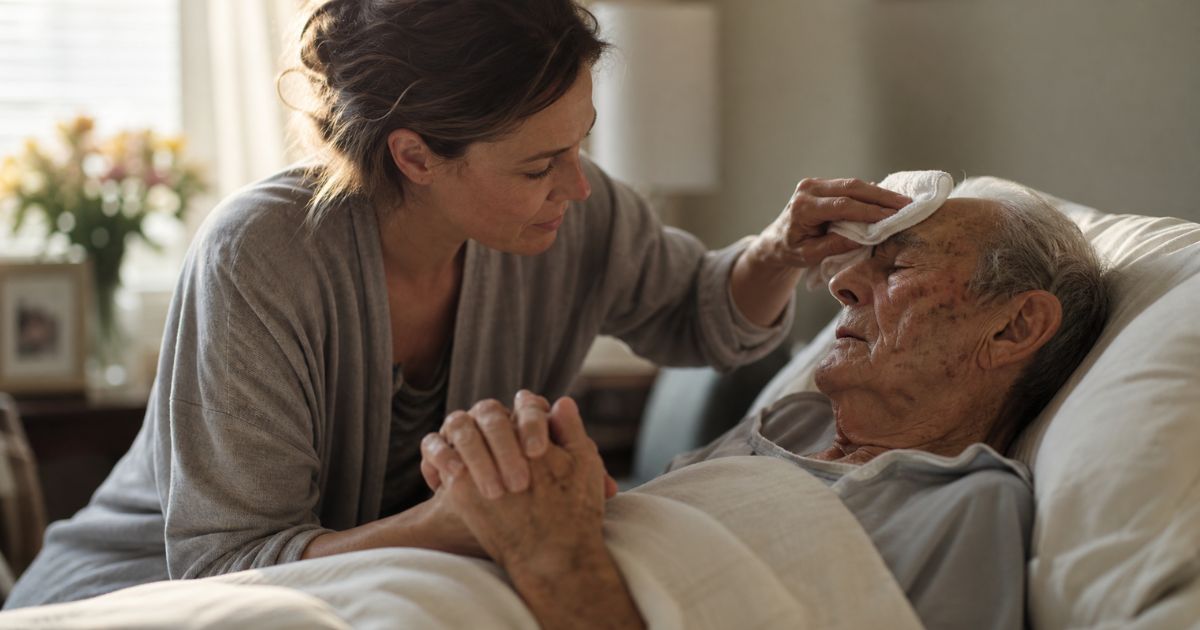
Table of Contents
Maria noticed it while helping her father turn onto his side. A patch of skin near his tailbone had gone dusky purple overnight. She had washed him carefully every day. She had checked his heels, moved his pillows, and done everything the hospice nurse had shown her. And still, this mark appeared. She felt like she had failed him.
She had not failed anyone.
Skin is the largest organ in the human body. It weighs more than the liver. It works around the clock, protecting muscle, bone, and blood vessels from the outside world. And near the end of life, it often struggles before any other organ shows visible signs of decline. Doctors and nurses call this SCALE, which stands for Skin Changes at Life’s End. It is a real, documented pattern, not a sign that caregivers did something wrong.
Think about what skin actually does. It regulates temperature. It fights off bacteria. It holds fluid in and keeps infection out. As the body approaches death, blood flow shifts away from the skin and toward vital organs like the heart and brain. The body is triaging itself, sending its remaining resources where they matter most for survival. Skin, unfortunately, often loses that competition.
This means a person can receive flawless daily care and still develop new skin damage in their final days or weeks. That purple patch on Maria’s father’s tailbone was not caused by a missed turn or a wrinkled sheet. It was his body’s circulation quietly withdrawing from the surface, the way a candle’s flame narrows before it goes out.
You do not need a nursing degree to spot trouble. You need to know what to look for and what those changes might mean.
Skin Tears. These happen when the outer layers of skin separate, usually due to friction or a bump against a bed rail, a wheelchair arm, or even a caregiver’s hand. Aging skin thins dramatically, losing the collagen and fat that once cushioned it. A skin tear can look small yet still bleed heavily because the underlying layer is exposed.
Pressure Injuries. These form when skin sits against a bony area, such as the hip, heel, elbow, or sacrum, for too long without relief. Blood flow is cut off, and the tissue underneath begins to die. Clinicians describe pressure injuries in stages. Stage 1 looks like a red or darkened patch that does not turn pale when you press it. In Stages 3 and 4, the wound penetrates deeper, sometimes reaching muscle or bone. Some wounds are labeled unstageable. That simply means a layer of dead tissue, yellow slough, or black eschar is covering the wound bed, so nobody can see how deep the damage actually goes until that covering is removed or falls away on its own.
Arterial and Diabetic Ulcers. These typically show up on the feet, toes, or lower legs. Arterial ulcers result from poor blood circulation, often in people with vascular disease, and the surrounding skin may feel cool and appear pale or shiny. Diabetic ulcers form when nerve damage prevents a person from feeling a blister or cut, and reduced circulation slows any healing that might otherwise occur. Both types are stubborn. Both deserve a phone call to the care team the moment they appear.
Kennedy Ulcers. Named after the nurse who first described them, these wounds appear quickly, sometimes within hours, usually on the sacrum or tailbone. They often take on a butterfly or pear shape and sometimes have squiggly, parallel lines on their backs or limbs. A Kennedy ulcer can develop despite meticulous skin care because it is linked to organ failure rather than to pressure or friction alone. Clinicians generally consider it one of the clearer signs that death may be days to weeks away, though the exact timeline varies from person to person.
You have more power here than you might think, and none of it requires a medication order.
Cushion the pressure points. Foam wedges, pillows, and heel protectors relieve pressure on the hips, elbows, and heels, the areas that bear the most weight when someone lies still.
Change position on a schedule. Even a small shift, rolling ten degrees onto one side instead of lying flat, redistributes weight enough to matter. Set a reminder if you need one.
Ask about a low-loss air mattress. These specialty surfaces continuously redistribute pressure across the body, reducing the load on any single area far more effectively than a standard mattress.
Keep skin care gentle and consistent. Cleanse without scrubbing. Pat dry instead of rubbing. Apply a moisture barrier cream to areas exposed to incontinence, and check skin daily during routine care, not as a separate chore.
Support oral hydration and nutrition, but only to the extent the person can actually manage. Offer small sips of water or ice chips if swallowing is still safe. Offer favorite foods in small amounts if appetite allows. Never force fluids or food on someone whose body has stopped wanting them; forcing intake near the end of life can cause discomfort and does not improve skin health at that stage.
Here is the part that catches so many caregivers off guard. When someone is actively dying, wounds often do not heal the way they would have five years earlier, or even five months earlier.
The body simply lacks the resources. Healing requires oxygen-rich blood flow, protein, and energy, but a dying body redirects all three to keep the heart beating and the brain functioning. Expecting a wound to close completely under these conditions sets everyone up for heartbreak.
This is why hospice and palliative teams shift their goal. Instead of pursuing full healing, they aim to prevent infection, keep the wound as stable as possible, and support whatever healing capacity remains, always prioritizing comfort over a cure. That is not giving up. That is meeting the body where it actually is.
Notify the nurse or hospice team the moment you spot anything new: a tear, a reddened patch that will not fade, an open area, or a sore near the tailbone or heels.
Call again if something existing changes. Watch for a wound that grows larger, drains more than before, develops a new odor, or seems to cause more pain during care.
You are not expected to diagnose what you see. You are expected to notice it and say something. That single phone call can change the entire care plan for the better.
When a wound appears, the medical team should provide specific wound care orders, including what to clean it with, how often to change the dressing, and which products to use. If those orders feel vague or missing, ask for them directly.
You can ask why a particular treatment was chosen. You can ask what to expect over the next few days. You can ask whether a wound is likely to heal or whether comfort is now the primary goal. These are not difficult questions for a hospice team; they are questions they expect and welcome.
Maria eventually called her father’s hospice nurse about that purple patch. The nurse recognized a Kennedy ulcer within minutes and adjusted his care plan to prioritize comfort over cure. Maria did not fail her father. She did exactly what the moment required: she noticed, and she picked up the phone.
If you are caring for someone nearing the end of life and you see a skin change you cannot explain, do not wait. Call the hospice or palliative care team today. That call is not an inconvenience to them. It is the entire point of their being there.
SCALE — Skin Changes at Life’s End
Skin Changes at the End-of-Life: Final Consensus Statement
Compassionate Wound Care for Hospice Patients
End-of-life skin care: what every clinician should know
Articles on Advance Directives
Eldercare Locator: a nationwide service that connects older Americans and their caregivers with trustworthy local support resources
Find the Long-Term Care Ombudsman Program in Your State
Greater National Advocates Directory of Independent Patient Advocates
Patients Voices Matter Foundation – Empowering Patients, Transforming Lives
Independent Patient Advocate – Independent, non-clinical patient advocacy nationwide. Health Navigation, SSDI Application & Appeals, and Whole Health Advocacy. 100% remote. No insurance accepted.
Compassion Crossing, LLC – Independent, clinical patient advocacy nationwide.
Natural Death With Dignity: Protecting Your Right To Refuse Medical Treatment
Beyond the Living Will: Creating Effective Advance Directives and Value-Based Advance Care Planning: A Guide for Helping Professionals
Death and Dying: A Good Exit Plan
Free Daily Symptom Tracker: Each headache, flare, or fatigue spike reveals a clue. This two-page Daily Symptom Tracker records sleep quality, food intake, triggers, severity, and effective relief methods—all in one place. Use it daily for 31 days and share the pages with your healthcare provider or health navigation expert. Together, you can move from guessing to addressing the root cause. Instructions on how to use the free daily symptom tracker and the free daily symptom tracker.
Free Caregiver and Dementia Training Videos
CaringInfo – Caregiver support and much more!
The Hospice Care Plan (guide) and The Hospice Care Plan (video series)
Understanding Palliative Care: A Guide to Common Questions and Answers
Bridging the Gap: Palliative Care’s Role in Supporting Rare Disease Patients
Comprehensive Guide to Financial Assistance for Hospice and Palliative Care Patients
Surviving Caregiving with Dignity, Love, and Kindness
Caregivers.com | Simplifying the Search for In-Home Care
Geri-Gadgets – Washable, sensory tools that calm, focus, and connect—at any age, in any setting
Healing Through Grief and Loss: A Christian Journey of Integration and Recovery
This site uses Amazon Associate links, which means I earn a small commission when you purchase books or products through these links—at no extra cost to you. These earnings help me keep this website running and ad-free, so I can continue providing helpful articles and resources at no charge.
If you don’t see anything you need today but still want to support this work, you can buy me a cup of coffee or tea. Every bit of support helps me continue writing and sharing resources for families during difficult times.
VSED Support: What Friends and Family Need to Know
Take Back Your Life: A Caregiver’s Guide to Finding Freedom in the Midst of Overwhelm
The Conscious Caregiver: A Mindful Approach to Caring for Your Loved One Without Losing Yourself
Everything Happens for a Reason: And Other Lies I’ve Loved
Final Gifts: Understanding the Special Awareness, Needs, and Communications of the Dying


