Early Palliative Care in Cardiovascular Disease: A Path to Comfort and Quality Living
Published on
Updated on

Guiding Life's Journey with Care
Guiding Life's Journey with Care
Published on
Updated on

Table of Contents
Palliative care is specialized medical care that focuses on relieving pain and other symptoms of serious illness. Think of it as an extra layer of support that works alongside your regular medical treatments to help you feel better and live as comfortably as possible.
The word “palliative” comes from a Latin word meaning “to cloak” – imagine wrapping yourself in a warm, protective blanket that shields you from the worst effects of your illness. That’s what palliative care does for your body, mind, and spirit.
Palliative care is not the same as hospice care. While hospice care is for people in their final months of life, palliative care can begin at any time after you’re diagnosed with a serious illness. You can receive palliative care while still getting treatments aimed at curing or controlling your disease.
A specially trained team provides this care, including:
The goal is simple: to improve your quality of life and help you live as well as possible with your heart condition. This means managing symptoms like pain, shortness of breath, fatigue, and anxiety while also supporting your emotional and spiritual needs.
Starting palliative care early in your heart disease journey can make a significant difference in how you feel and function every day. Research shows that people who receive palliative care soon after their diagnosis often experience better outcomes than those who wait.
Heart disease brings unique challenges that palliative care teams understand well. Your heart affects everything your body does, so when it’s not working properly, you may experience:
Early palliative care helps address these problems before they become overwhelming. Instead of waiting until you’re in crisis, the palliative care team works with your heart doctor to prevent problems and manage symptoms as they arise.
Studies of heart patients in intensive care units found that those who received palliative care within 72 hours of admission had shorter ICU stays and were more likely to have meaningful conversations about their goals and preferences. This early support helps you and your family make informed decisions about your care.
Early palliative care also helps reduce hospital visits and emergency room trips. When your symptoms are well-managed and you have a support team you can contact, you’re less likely to need urgent medical care. This means more time at home with your loved ones and fewer disruptions to your daily life.
Perhaps most importantly, early palliative care helps you maintain hope while being realistic about your condition. The team helps you understand what to expect and supports you in setting goals that matter to you, whether that’s attending a grandchild’s graduation, traveling to a special place, or simply enjoying comfortable days at home.
Anyone diagnosed with a serious heart condition can benefit from palliative care, regardless of age or how advanced their disease is. You don’t need to be dying or have exhausted all treatment options to receive this support.
Patients with these heart conditions often find palliative care helpful:
You might benefit from palliative care if you’re experiencing:
Family members and caregivers also benefit significantly from palliative care. Watching a loved one struggle with heart disease can be emotionally exhausting and overwhelming. The palliative care team provides education, emotional support, and practical guidance to help families cope with the challenges they face.
Healthcare providers benefit, too, because palliative care specialists bring expertise in symptom management and communication that complements cardiac care. This collaboration often leads to better coordinated care and improved patient outcomes.
It’s important to understand that seeking palliative care doesn’t mean giving up hope or stopping other treatments. Many people continue to receive medications, procedures, and other therapies for their heart condition while also receiving palliative care. The two types of care work together to help you live as well as possible.
The earlier you start palliative care, the more benefit you’re likely to receive. Don’t wait for a crisis or until you’re feeling overwhelmed. Having this support system in place from the beginning of your heart disease journey can help you navigate challenges with greater confidence and comfort.
Palliative care is specialized medical care that focuses on relieving pain, symptoms, and stress caused by serious illness. Think of it as an extra layer of support that wraps around you like a warm blanket, providing comfort while you continue to receive treatment for your heart condition.
The core principles of palliative care center on treating the whole person, not just the disease. This means addressing your physical comfort, emotional well-being, spiritual needs, and social concerns simultaneously. The palliative care team works to:
Palliative care is based on your individual needs and preferences, not on how advanced your illness is. The specially trained team includes doctors, nurses, social workers, chaplains, and other specialists who work together with your heart doctor to provide comprehensive support.
The goal is simple: to help you live as well as possible with your heart condition. This care focuses on improving your quality of life by managing symptoms that interfere with your daily activities and relationships.
Many people confuse palliative care with hospice care, but they are quite different. Understanding these differences can help you make informed decisions about your care.
Palliative care can begin at any time after your heart condition is diagnosed. You can receive palliative care while still getting treatments aimed at improving your heart function, such as medications, procedures, or surgery. It works alongside your regular cardiac care, not instead of it.
Hospice care, on the other hand, is specifically for people who are expected to live six months or less. When someone chooses hospice care, they typically stop treatments aimed at curing or controlling their disease and focus entirely on comfort care.
Here’s how they compare:
Palliative Care:
Hospice Care:
Curative care aims to fix or control your heart condition. This includes medications to strengthen your heart, procedures to open blocked arteries, or surgery to repair heart valves. Palliative care doesn’t replace curative care – it enhances it by helping you feel better while you receive treatment.
One of the most harmful myths about palliative care is that choosing it means you’re giving up hope. This couldn’t be further from the truth. Palliative care actually supports hope by helping you live as fully as possible with your heart condition.
When you receive palliative care, you’re not giving up – you’re taking control. You’re making an active choice to improve your quality of life while continuing to fight your heart disease. Hope simply gets redefined from “cure at all costs” to “living well with illness”.
Palliative care can actually increase hope for patients and families. When your symptoms are well-managed and you feel more comfortable, you can focus your energy on the things that matter most to you – spending time with loved ones, pursuing meaningful activities, or simply enjoying each day.
Many patients who receive palliative care continue aggressive treatments for their heart condition. For example, you might receive palliative care to help manage shortness of breath and fatigue while also taking heart medications, having cardiac procedures, or participating in cardiac rehabilitation programs.
Research shows that patients who receive palliative care often have better outcomes. They may experience less pain, fewer emergency room visits, and better quality of life. Some studies even suggest that people who receive palliative care may live longer than those who don’t.
Another common misconception is that palliative care is only for people who are dying. This myth prevents many people with heart conditions from receiving helpful support that could improve their daily lives.
Palliative care is appropriate at any stage of a serious illness. Whether you were just diagnosed with heart failure, have been living with coronary artery disease for years, or are dealing with advanced heart problems, palliative care can help you feel better and function more effectively.
You don’t need to be near the end of your life to benefit from palliative care. Many people receive palliative care for months or even years while continuing to live active, meaningful lives. The earlier you start palliative care, the more benefit you may receive.
Palliative care helps with the daily challenges of living with heart disease. This includes managing symptoms like:
The palliative care team also supports your family members. They provide education about your condition, emotional support during difficult times, and practical guidance for caregiving. This comprehensive approach helps everyone involved cope better with the challenges of heart disease.
Remember, seeking palliative care shows strength, not weakness. It demonstrates that you’re committed to living as well as possible with your heart condition and that you want the best possible support for yourself and your family.
Heart failure is one of the most common heart conditions that greatly benefits from palliative care. When you have heart failure, your heart muscle becomes weakened and can’t pump blood effectively throughout your body. This doesn’t mean your heart has stopped working completely—it simply means it’s not working as well as it should.
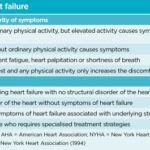
Heart failure affects people differently depending on its severity. In the early stages, you might feel tired after activities that used to be easy for you. As the condition progresses, you may experience symptoms even when you’re resting. The most advanced stage of heart failure, called Stage IV, can make it difficult to do any physical activity without feeling uncomfortable.
Palliative care is now recommended for all patients with heart failure because research shows it leads to better outcomes. When palliative care teams work with your heart doctor, you’re likely to experience improved quality of life, better symptom management, less depression and anxiety, and fewer hospital stays.
The palliative care team understands the unique challenges of heart failure. They can teach you special techniques like lymphatic drainage to reduce painful leg swelling, show you the best positions for breathing more easily, and help you use relaxation methods to manage anxiety that comes with feeling short of breath.
Coronary artery disease happens when the arteries that supply blood to your heart muscle become blocked with plaque. This blockage prevents your heart from getting the oxygen-rich blood it needs to work properly.
The main symptom of coronary artery disease is chest pain called angina. This pain can feel like pressure, squeezing, heaviness, or tightness in your chest. You might also feel this discomfort in your shoulders, arms, neck, throat, jaw, or back. Some people describe it as feeling like someone is standing on their chest.
Palliative care can be especially helpful for people with end-stage coronary artery disease who aren’t candidates for surgery to restore blood flow to the heart. Unfortunately, only about 15% of people with advanced coronary disease currently receive palliative care referrals, even though many could benefit from this support.
The chest pain from coronary artery disease can severely limit your quality of life and ability to function. This physical limitation often leads to additional problems like depression, anxiety, and extreme fatigue. Palliative care teams are experts at managing these interconnected symptoms to help you feel better overall.
Many other heart conditions can benefit from palliative care support. These include heart valve disease, irregular heartbeats (arrhythmias), peripheral artery disease, and congenital heart disease that you were born with.
Palliative care may be helpful for any cardiovascular condition that:
Each type of heart condition brings its own unique challenges. For example, people with valve disease might experience different symptoms from those with irregular heartbeats. The palliative care team understands these differences and can tailor their support to your specific condition and needs.
What’s important to remember is that palliative care isn’t just for one type of heart problem. Whether you have a chronic condition that you’ve been managing for years or you’re dealing with a sudden cardiac crisis, palliative care can provide valuable support alongside your regular heart treatments.
The physical symptoms of heart disease can be overwhelming and affect every aspect of your daily life. Understanding these symptoms and knowing that help is available can provide comfort during difficult times.
Chest pain is often the most frightening symptom because it can make you worry about having a heart attack. The pain might feel like pressure, burning, squeezing, or aching in your chest. Sometimes this pain can spread to other parts of your body, including your arms, back, neck, jaw, or even your upper abdomen.
Shortness of breath is another common and distressing symptom. You might feel like you can’t catch your breath, even during activities that used to be easy for you. This can happen because your heart isn’t pumping enough blood to meet your body’s needs. Many people describe feeling winded when climbing stairs or doing household tasks they used to do without thinking.
Extreme fatigue is more than just feeling tired. When your heart can’t pump blood effectively, your body doesn’t get the oxygen and nutrients it needs to function properly. This can leave you feeling exhausted even after plenty of rest. Simple activities like getting dressed or preparing a meal might leave you feeling completely drained.
These symptoms often work together to create a cycle of limitation. When you’re short of breath, you might avoid physical activities. When you’re in pain, you might not sleep well, which makes fatigue worse. Palliative care teams understand these connections and work to break this cycle by addressing all your symptoms together.
The good news is that palliative care specialists have many effective ways to manage these physical symptoms. They might use medications, but they also have non-drug approaches, such as breathing exercises, positioning techniques, and relaxation methods, that can provide significant relief.
Living with heart disease affects much more than your physical body – it impacts your emotions, relationships, and sense of meaning in life. Many people with heart conditions experience anxiety, depression, and anger related to their illness.
Anxiety about your heart condition is very common and completely understandable. You might worry constantly about having another heart attack, about your symptoms getting worse, or about how your illness will affect your family. Some people describe feeling like they’re worrying about their worry, which can make the anxiety feel even more overwhelming.
Depression can develop when you feel like your heart condition has permanently changed your life. You might grieve the loss of your former self – the person who could do things without thinking about their heart. This sense of loss is real and valid, and it’s important to acknowledge these feelings rather than trying to push them away.
Anger is another normal response to heart disease. You might feel angry about having to deal with this condition, angry about the limitations it places on your life, or angry about feeling like your body has betrayed you. These feelings don’t make you a bad person – they make you human.
Spiritual distress can occur when your illness challenges your beliefs about life, meaning, and purpose. You might question why this happened to you, wonder about your future, or struggle to find hope in difficult circumstances. Research shows that people who have spiritual support often experience less depression, anxiety, and anger related to their heart condition.
The palliative care team includes specialists trained to address emotional and spiritual concerns. They understand that physical symptoms can’t be effectively managed without also addressing emotional and spiritual distress. This support isn’t about changing your beliefs – it’s about helping you find strength and comfort within your own values and faith tradition.
Heart disease doesn’t just affect you – it affects everyone who loves and cares about you. Understanding how your condition impacts your daily life and family relationships can help you seek the support you need.
Your daily routine may need to change significantly because of your heart condition. Activities that used to be automatic, such as showering, cooking, or going to work, may now require careful planning and energy management. You might need to rest more often, take medications at specific times, or avoid certain activities that worsen your symptoms.
These changes can be frustrating and may make you feel like you’ve lost your independence. It’s normal to feel sad or angry about needing help with things you used to do easily. Remember that accepting help when you need it is a sign of wisdom, not weakness.
Your family members and caregivers are also affected by your heart condition. They might feel scared about your health, overwhelmed by new responsibilities, or unsure about how to help you. Watching someone you love struggle with illness can be emotionally exhausting.
Family members often experience their own stress and grief as they adjust to changes in your condition and abilities. They might worry about saying or doing the wrong thing, feel guilty about taking time for themselves, or struggle with their own emotions about your illness.
The impact on relationships can be significant. Some might become stronger as people rally to support you, while others might become strained by the stress of illness. Communication can become more difficult when everyone deals with their fears and concerns.
Financial concerns often add another layer of stress. Medical bills, time off work, and the cost of medications or equipment can create significant financial pressure for families. These practical concerns can make the emotional burden of illness feel even heavier.
Palliative care teams understand that heart disease affects the whole family, not just the patient. They provide support, education, and guidance to help everyone cope with the challenges you’re facing together. This comprehensive approach recognizes that patients often do better when families are supported.
The goal isn’t to eliminate all the challenges associated with heart disease but to help you and your family navigate them with greater comfort, understanding, and support. With the right help, many families find ways to maintain meaningful connections and create positive experiences even while dealing with serious illness.
Early palliative care excels at managing the physical symptoms that make living with heart disease so challenging. The palliative care team brings specialized knowledge to help manage pain, shortness of breath, fatigue, and other uncomfortable symptoms that can interfere with your daily life.
Pain management is one of the most important benefits of palliative care. Whether you’re experiencing chest pain from coronary artery disease or discomfort from heart procedures, the palliative care team has many effective ways to help you feel more comfortable. They understand that heart-related pain can be complex and may require different approaches than other types of pain.
Breathing problems are common with heart conditions; palliative care specialists know how to help. They can teach you breathing techniques that make it easier to catch your breath, suggest the best positions for sleeping when you feel short of breath, and work with your heart doctor to adjust medications that might help your breathing.
Fatigue from heart disease can be overwhelming, but palliative care can help you manage your energy better. The team can help you understand the difference between normal tiredness and the extreme fatigue that comes with heart disease. They’ll work with you to find ways to conserve energy for the activities that matter most to you.
Swelling in your legs, ankles, or abdomen is another symptom that palliative care can address. The team knows techniques like gentle massage and positioning that can provide relief. They can also help coordinate with your heart doctor to ensure your medications are working as well as possible to reduce swelling.
Sleep problems are common when you have heart disease, and poor sleep makes everything else worse. Palliative care specialists understand how heart symptoms can interfere with sleep and have strategies to help you rest better. This might include adjusting the timing of medications, suggesting comfortable sleeping positions, or addressing anxiety that keeps you awake.
Heart disease affects much more than your physical body – it impacts your emotions, relationships, and sense of meaning in life. Early palliative care recognizes this and provides support for all aspects of your well-being.
Anxiety about your heart condition is completely normal, but it doesn’t have to control your life. The palliative care team includes specialists who understand the unique fears that come with heart disease. They can teach you relaxation techniques, help you process your worries, and work with you to develop coping strategies that reduce anxiety.
Depression often accompanies serious heart conditions, and it’s important to address these feelings early. Research shows that people who receive palliative care experience less depression than those who don’t. The team can provide counseling, connect you with support groups, or work with your doctor to consider medications that might help.
Many people with heart disease struggle with anger – anger about having this condition, anger about the limitations it places on their life, or anger about feeling like their body has let them down. These feelings are valid and understandable. Palliative care team members are trained to help you work through these emotions in healthy ways.
Spiritual concerns often arise when facing a serious illness like heart disease. You might question why this happened to you, wonder about your purpose, or struggle to find hope. The palliative care team includes chaplains and counselors who can provide spiritual support that respects your beliefs and values.
Fear about the future is one of the most common emotional challenges people with heart disease face. Early palliative care helps address these fears by providing honest information about what to expect, helping you plan for different scenarios, and ensuring you have support systems in place.
One of the most significant benefits of early palliative care is how it helps you maintain your ability to do the things that matter to you. Instead of waiting until you’re struggling severely, early palliative care helps you adapt and find new ways to stay engaged in life.
Research consistently shows that people who receive palliative care early in their heart disease journey report a better quality of life. This means they feel better physically, have less emotional distress, and are more satisfied with their daily experiences. They can participate in activities they enjoy and maintain meaningful relationships.
Early palliative care helps you set realistic goals for your daily activities. The team works with you to understand what’s most important to you, then helps you find ways to keep doing those things, even if you need to modify how you do them. This might mean finding new ways to spend time with grandchildren, adapting hobbies to match your energy levels, or discovering activities that bring joy without requiring too much physical effort.
Energy management is a key skill that palliative care teams teach. They help you understand how to pace yourself throughout the day, when to rest, and how to prioritize activities. This isn’t about giving up things you love – it’s about being strategic so you can continue doing what matters most.
The palliative care team can also help coordinate with other specialists to ensure you’re getting the best possible support for daily functioning. This might include physical therapists who can help with mobility, occupational therapists who can suggest adaptive equipment, or nutritionists who can help you maintain your strength.
One of the most practical benefits of early palliative care is that it often reduces the need for emergency room visits and hospital stays. When your symptoms are well-managed, and you have a support team you can contact, you’re less likely to need urgent medical care.
Studies of heart patients show that those who receive palliative care have fewer emergency room visits. This happens because the palliative care team helps prevent problems before they become crises. They teach you and your family how to recognize warning signs early and what to do when symptoms change.
Shorter hospital stays are another benefit of early palliative care. Research found that heart patients in intensive care who received palliative care within 72 hours of admission had shorter ICU stays than those who received palliative care later. This means less time away from home and family, lower medical costs, and often better outcomes.
Having a palliative care team means you have someone to call when you’re worried about symptoms. Instead of wondering whether you should go to the emergency room, you can contact your palliative care team for guidance. They can often help you manage symptoms at home or direct you to the most appropriate level of care.
Better coordination between your heart doctor and palliative care team also reduces unnecessary medical interventions. When everyone is working together and understands your goals, you’re less likely to receive treatments that don’t align with what you want or need.
Heart disease doesn’t just affect you – it affects everyone who loves and cares about you. Early palliative care recognizes this and provides comprehensive support for your family members and caregivers.
Family members often feel helpless when watching a loved one struggle with heart disease. The palliative care team provides education about your condition, what to expect, and how family members can best support you. This knowledge helps reduce anxiety and gives family members confidence in their caregiving role.
Caregiving can be emotionally exhausting, and palliative care teams understand this. They provide emotional support for family members, including counseling, support groups, and connections to community resources. Research shows that patients and caregivers experience better outcomes when families receive this support.
The palliative care team teaches family members practical caregiving skills. This might include how to help you with medications, how to recognize when symptoms are changing, or how to assist with daily activities in ways that maintain your dignity and independence.
Stress management for caregivers is an important part of palliative care. Family members learn techniques to manage their own stress, maintain their health, and make time for self-care. This isn’t selfish – when caregivers are healthy and supported, they can provide better care.
One of the most valuable aspects of early palliative care is its guidance for making difficult medical care decisions. The team helps ensure that all decisions align with your values, preferences, and goals.
Early palliative care includes conversations about advance care planning. This means discussing the kinds of medical treatments you would want in different situations, who you want to make decisions for you if you can’t, and what’s most important to you as your condition changes. Having these conversations early, when you’re feeling relatively well, makes them less stressful and more thoughtful.
The palliative care team helps facilitate family meetings where everyone can discuss concerns, ask questions, and work together to make decisions. These meetings ensure that everyone understands your condition and treatment options, and that your voice is heard in all decisions about your care.
When new treatment options become available, the palliative care team helps you and your family understand the benefits and burdens of each choice. They help you ask the right questions and consider how each option aligns with your goals and values.
Decision-making support continues throughout your illness. As your condition changes, your goals and preferences might change too. The palliative care team helps you reassess your priorities and adjust your care plan accordingly.
Research shows that families who receive early palliative care feel more confident about their decisions. They report feeling better informed, more supported, and more satisfied with the care their loved one receives. This peace of mind is invaluable during a challenging time.
The ultimate goal of all this support is to help you and your family navigate heart disease with greater comfort, understanding, and confidence. Early palliative care doesn’t take away the challenges of living with heart disease, but it provides the tools, support, and expertise to help you face those challenges with strength and dignity.
The best time to start palliative care is much earlier than most people think. Many patients and families believe palliative care is only for people who are dying, but research shows that starting palliative care at the time of diagnosis leads to better outcomes for everyone involved.
When you receive a diagnosis of serious heart disease, that’s actually the ideal time to begin palliative care. This might feel overwhelming when you’re already processing difficult news about your heart condition, but think of palliative care as an extra layer of support that helps you navigate this journey from the very beginning.
Starting palliative care at diagnosis means you get help managing symptoms before they become severe. Instead of waiting until you’re in crisis or feeling overwhelmed, the palliative care team works alongside your heart doctor to prevent problems and address concerns as they arise.
Unfortunately, many cardiologists wait too long to refer patients to palliative care. Research shows that heart doctors often refer patients to palliative care very late in the disease process, sometimes in the final three days of life. This delay means patients miss out on months or years of valuable support that could have improved their quality of life.
The old approach of waiting until treatments stop working has been proven wrong. Studies consistently show that patients who receive palliative care early in their heart disease journey experience better symptom management, less anxiety and depression, fewer emergency room visits, and often better overall outcomes.
Early integration of palliative care with your heart treatment creates what doctors call a “concurrent care model”. This means you continue receiving treatments for your heart condition while also getting specialized support for managing symptoms and stress.
Research has shown remarkable benefits when palliative care starts early. Patients report better quality of life, improved communication with their healthcare teams, and reduced anxiety about their condition. Families feel more supported and confident in their caregiving roles.
Early palliative care helps prevent medical crises that lead to emergency room visits. When your symptoms are well-managed, and you have a team you can contact with concerns, you’re less likely to need urgent medical care. This means more time at home with loved ones and fewer disruptions to your daily life.
Starting early also means better advance care planning. When you’re feeling relatively well, you can have thoughtful conversations about your goals and preferences for future care. These discussions are much less stressful when they happen before a crisis.
The intensity of palliative care can be adjusted based on your needs. Early in your heart disease, palliative care might involve occasional consultations for symptom management and family support. As your condition changes, the level of palliative care support can increase accordingly.
The palliative care team is made up of specialists who each bring unique skills to support you and your family. Think of them as a group of experts who work together to address all aspects of living with heart disease, not just the medical aspects.
Palliative care doctors specialize in managing symptoms and coordinating care. They have advanced training in pain management, symptom control, and helping patients navigate complex medical decisions. These doctors work closely with your heart doctor to ensure all your treatments work well together.
Palliative care nurses provide direct patient care and family education. They’re expertly trained to manage symptoms like shortness of breath, fatigue, and anxiety. These nurses can teach you breathing techniques, help with positioning for comfort, and provide guidance on managing your condition at home.
Social workers provide practical support and emotional support. They can assist with insurance questions, coordinate community resources, provide counseling for you and your family, and help navigate the healthcare system. Social workers understand the stress that serious illness places on families.
Chaplains offer spiritual care if you want it. They respect all faith traditions and beliefs, including no religious beliefs at all. Chaplains can help you explore questions about meaning, purpose, and hope during this challenging time. They’re trained to provide comfort without imposing their own beliefs.
Physical and occupational therapists help maintain your function and independence. They can teach you energy conservation techniques, suggest adaptive equipment for daily activities, and help you stay as active as possible within the limits of your heart condition.
The palliative care team doesn’t replace your heart doctor or primary care physician – they work together as partners in your care. This collaboration ensures that everyone is on the same page about your treatment goals and that all aspects of your health are being addressed.
Your cardiologist continues to manage your heart condition while the palliative care team focuses on symptom management and quality of life. For example, your cardiologist might adjust your medications, while the palliative care team helps manage side effects and teaches coping strategies.
Communication between teams is essential for good care. The palliative care team keeps your heart doctor informed about how you’re feeling and any concerns that arise. Your heart doctor shares important information about your condition and treatment plans with the palliative care team.
This collaborative approach means you get the best of both worlds. You receive expert cardiac care aimed at treating your heart condition, plus specialized support for managing the daily challenges of living with heart disease.
Regular team meetings ensure coordinated care. The specialists involved in your care communicate regularly to ensure everyone understands your goals and that your treatments work well together.
Palliative care teams are experts at managing medications to improve your comfort and quality of life. They work closely with your heart doctor to ensure your medications are helping you feel as good as possible while treating your heart condition.
Pain management is a key focus of palliative care medication plans. If you’re experiencing chest pain, the palliative care team has many effective approaches to help you feel more comfortable. They understand that heart-related pain can be complex and may require different strategies than other types of pain.
Medications for shortness of breath can significantly improve your daily life. The palliative care team knows which medications work best for breathing problems related to heart disease and can adjust dosages to find the right balance for you.
Managing side effects from heart medications is an important concern. If you experience nausea, fatigue, or other uncomfortable side effects from your heart medications, the palliative care team can offer suggestions to help reduce these issues while ensuring you still receive the benefits of your cardiac treatments.
The team also helps with medications for anxiety and depression. Living with heart disease can be emotionally challenging, and the palliative care team can work with your doctors to find medications that help you feel more emotionally stable.
Advance care planning involves having conversations about what kinds of medical care you would want in different situations. The palliative care team helps facilitate these important discussions in a supportive, non-pressured environment.
These conversations cover questions like whether you would want CPR, breathing machines, or feeding tubes in certain circumstances. While these topics can feel overwhelming, having these discussions when you’re feeling relatively well makes them less stressful and more thoughtful.
The palliative care team helps you think about your goals and values. They ask questions like “What’s most important to you?” and “What would make a good day for you?” These conversations help ensure that your medical care aligns with what matters most to you.
Advance directives are legal documents that record your preferences for future care. The palliative care team can help you understand these documents and complete them accurately.
Family meetings are often part of advance care planning. The palliative care team can facilitate conversations with your loved ones to ensure everyone understands your preferences and feels comfortable with your decisions.
Palliative care can be provided in many different settings, including your own home. Many people prefer to receive care at home where they feel most comfortable and can be surrounded by family and familiar things.
Home-based palliative care includes regular visits from nurses and other team members. They can assess your symptoms, adjust medications, provide education to family caregivers, and coordinate with your other doctors. You also have access to 24-hour phone support for urgent concerns.
Outpatient palliative care clinics offer another option for receiving this specialized care. You can visit the clinic for regular appointments to discuss symptom management, medication adjustments, and care planning. This works well for people who are still relatively mobile and prefer to come to appointments.
The palliative care team can also provide consultation in hospitals when you’re admitted for heart problems. Research shows that patients who receive palliative care consultation within 72 hours of hospital admission often have shorter stays and better outcomes.
Telehealth options are increasingly available for palliative care. This means you can have video visits with your palliative care team from home, which is especially helpful if traveling to appointments becomes difficult.
The goal is to provide palliative care in whatever setting works best for you and your family. The team can adjust their approach based on your preferences, mobility, and changing needs as your condition evolves.
One of the biggest challenges preventing people from receiving early palliative care is the stigma and misunderstandings that surround it. Many patients, families, and even healthcare providers have misconceptions about what palliative care means and when it should be used.
From the patient’s perspective, the most common fear is that palliative care means “giving up”. Research shows that many people associate palliative care with end-of-life care or hospice, leading them to believe that accepting palliative care means they’re dying or that their doctors have given up hope for recovery. This misconception causes people to refuse or delay palliative care that could significantly improve their quality of life.
Patients often worry that choosing palliative care means they’ll have to stop treatments for their heart condition. This fear stems from confusion about the difference between palliative care and hospice care. Unlike hospice care, palliative care can be provided alongside curative treatments, but many patients don’t understand this important distinction.
Cultural and societal factors also create barriers for patients. Some cultures view discussing serious illness as taboo or associate palliative care with “bad luck” or negative outcomes. These cultural beliefs can prevent patients from even considering palliative care as an option, regardless of how much it might help them.
Healthcare providers face their own barriers when it comes to referring patients for early palliative care. Many doctors lack adequate knowledge about palliative care services and when to refer patients. Studies show that healthcare providers often wait too long to refer patients, sometimes referring them only in the final days of life rather than early in the disease process.
Time constraints during medical appointments create another significant barrier. Healthcare providers report feeling rushed during consultations and lacking adequate time to have meaningful discussions about palliative care options. This time pressure can lead to missed opportunities for early referrals.
Some healthcare providers worry about patient reactions to palliative care discussions. They fear that bringing up palliative care might upset patients, destroy hope, or damage the doctor-patient relationship. This fear can cause providers to avoid these important conversations entirely.
Communication challenges between different healthcare teams also create barriers. When heart doctors, primary care physicians, and palliative care specialists don’t communicate effectively, patients may receive conflicting information or fall through the cracks in the healthcare system.
Education is the most powerful tool for overcoming stigma and misunderstandings about palliative care. When patients, families, and healthcare providers understand what palliative care really is and how it can help, they’re much more likely to embrace it as a valuable part of comprehensive care.
Patient and family education should start at the time of diagnosis. This education needs to clearly explain that palliative care is not the same as hospice care and that it can be provided alongside treatments aimed at controlling or curing heart disease. Educational materials should be written in simple language and available in multiple languages to reach diverse populations.
Key educational messages for patients and families include:
Healthcare provider education is equally important. Medical schools, nursing programs, and continuing education courses need to include comprehensive training about palliative care principles, referral criteria, and communication skills. This education should emphasize the benefits of early palliative care integration and provide practical guidance on when and how to make referrals.
Professional development programs can help healthcare providers develop confidence in discussing palliative care with patients. These programs should include training on having sensitive conversations about serious illness, addressing patient fears and concerns, and presenting palliative care as a positive addition to their care plan.
Public awareness campaigns play a crucial role in changing societal attitudes about palliative care. These campaigns should use multiple channels – television, radio, social media, community events, and healthcare settings – to reach diverse audiences with accurate information about palliative care benefits.
Advocacy efforts should focus on policy changes that support the adoption of early palliative care. This includes advocating for insurance coverage of palliative care services, funding for palliative care programs, and requiring healthcare providers to discuss palliative care options with patients with serious illnesses.
Community partnerships can amplify educational efforts. Religious organizations, community centers, senior centers, and patient advocacy groups can help spread accurate information about palliative care and reduce stigma within their communities.
Success stories and testimonials from patients and families who have benefited from early palliative care can be powerful educational tools. These real-life examples help others understand how palliative care can improve daily life and provide hope rather than taking it away.
Access to palliative care is not equal for everyone, and people in low-resource settings face significant additional barriers. These challenges affect rural communities in developed countries and populations in developing nations with limited healthcare resources.
One of the most significant challenges is the limited availability of palliative care specialists. Many rural areas and low-resource settings have few or no specialists available. Even when specialists exist, they may be located far from patients, making regular visits difficult or impossible.
Transportation barriers prevent many patients from accessing palliative care services. Patients may need to travel long distances in rural areas to reach healthcare facilities that offer palliative care. For patients with heart conditions who experience fatigue and shortness of breath, long trips can be physically challenging and expensive.
Financial constraints create major obstacles to palliative care access. Many patients in low-resource settings cannot afford the cost of medications, transportation to appointments, or time off work for medical visits. Even when palliative care services are available, the associated costs may be prohibitive for families already struggling financially.
Limited access to essential medications, particularly pain medications, is a critical problem in many low-resource settings. Strict regulations around opioid medications, intended to prevent abuse, can make it extremely difficult for patients to obtain necessary pain relief. This problem is especially severe in developing countries, where morphine and other essential pain medications may be completely unavailable.
Inadequate training and education for healthcare professionals in low-resource settings create another barrier. Many healthcare providers in these areas lack specialized training in palliative care principles and symptom management. This knowledge gap means that even when patients can access healthcare, they may not receive appropriate palliative care.
Cultural and language barriers can be more pronounced in low-resource settings. Healthcare materials may not be available in local languages, and cultural beliefs about illness and death may conflict with palliative care approaches. These barriers can prevent patients from understanding or accepting palliative care services.
Limited healthcare infrastructure in low-resource settings affects all aspects of care delivery. This includes inadequate facilities, unreliable electricity and water supplies, limited communication systems, and insufficient medical equipment. These infrastructure challenges make it difficult to provide consistent, high-quality palliative care.
Improving access to palliative care requires comprehensive strategies that address multiple barriers simultaneously. These strategies must be tailored to the specific needs and resources of different communities while maintaining a focus on equity and inclusion.
Developing community-based palliative care programs can bring services closer to patients. These programs train local healthcare workers, including nurses, social workers, and community health workers, to provide basic palliative care services in patients’ homes and communities. This approach reduces transportation barriers and makes care more culturally appropriate.
Telemedicine and technology solutions can help bridge geographic gaps in palliative care access. Video consultations allow patients in remote areas to connect with palliative care specialists without traveling long distances. Mobile health applications can provide educational resources and symptom-tracking tools to support patients between visits.
Training programs for primary care providers can expand the palliative care workforce. By teaching primary care doctors and nurses basic palliative care skills, more patients can receive appropriate symptom management and support even in areas without palliative care specialists. This “primary palliative care” approach helps ensure that all patients have access to basic comfort care.
Policy advocacy is essential to creating systemic change that improves access to palliative care. This includes advocating for insurance coverage of palliative care services, funding for palliative care programs in underserved areas, and regulatory reforms that improve access to essential medications while maintaining appropriate safeguards.
Partnership with community organizations can help reach underserved populations. Religious organizations, community centers, and cultural groups can help identify patients who might benefit from palliative care and provide culturally appropriate education about these services.
Mobile palliative care units, staffed by palliative care specialists, can provide services directly to patients in remote or underserved areas. They can travel to different communities on a regular schedule to provide consultations, education, and support to patients and local healthcare providers.
Educational initiatives must be culturally sensitive and linguistically appropriate. This means developing educational materials in multiple languages, working with community leaders to address cultural concerns, and training healthcare providers to deliver culturally competent care.
Funding strategies should focus on sustainability and equity. This includes seeking grants from foundations and government agencies, developing partnerships with academic institutions, and creating innovative financing models that make palliative care services affordable for all patients.
Quality improvement initiatives can help ensure that palliative care services in low-resource settings meet appropriate standards. These initiatives include developing quality metrics, providing ongoing training and support for healthcare providers, and creating systems for monitoring and improving care delivery.
Research and evaluation efforts should focus on understanding what works best in different settings. This includes evaluating the effectiveness of different service delivery models, identifying successful strategies to overcome barriers, and developing evidence-based approaches to expand palliative care access.
The ultimate goal is to ensure that all patients with serious heart conditions, regardless of their geographic location or economic status, have access to palliative care services that improve their quality of life and support their families. Achieving this goal requires sustained effort from healthcare providers, policymakers, community organizations, and advocates working together to address the complex barriers that prevent equitable access to palliative care.
Millie was only 57 years old when her heart began to fail. This petite woman looked younger than her years, but even the smallest activities, like walking to the bathroom, left her breathless and experiencing arm pain. Her cardiologists recognized that Millie needed more than just heart medications – she needed the specialized support that only a palliative care team could provide.
The palliative care team was brought in to help manage Millie’s pain and other symptoms while also helping her understand what was happening to her heart. They knew that her heart was losing its ability to pump blood effectively, and this reality was frightening for Millie to face. The team provided emotional support as she grappled with this difficult knowledge.
When it came time for Millie to leave the hospital, her family faced a common challenge. Neither her son nor her daughter could accommodate her complex medical needs at home. The palliative care team worked with the family to explore options, but even nursing homes couldn’t accept a patient who needed the type of intravenous medications Millie required.
Rather than abandon Millie to figure things out on her own, the palliative care team helped create an unusual but compassionate solution. Millie remained in the hospital, but her room was transformed into a place of comfort and peace. The team arranged for massage therapy and decorated her room with a beach theme because the ocean had always brought Millie a sense of freedom and joy.
The impact of this personalized care was remarkable. With the palliative care team’s support, even Millie’s appetite improved. One day she said, “I would love some grilled salmon and rice. And if you can find some sugar-free ice cream, that would just be delightful.” This simple request showed how palliative care helped restore some of life’s pleasures, even amid serious illness.
David came to hospice services directly from the hospital with congestive heart failure. During his hospital stay, doctors had drained over a liter of fluid from around his heart – a procedure that provided temporary relief but highlighted the severity of his condition.
Just five days after starting hospice care, David experienced acute respiratory distress. When the hospice nurse listened to his lungs with a stethoscope, it sounded like someone rubbing underwater rubber – a sign that fluid was building up around his heart again. This was a life-threatening situation that couldn’t be treated at home.
The hospice team presented David with honest options: he could receive palliative sedation to keep him comfortable, or he could go to the emergency room where doctors might be able to drain the fluid again. David initially chose palliative sedation, wanting to remain at home with his family.
However, palliative sedation is not always a quick process. After receiving the first doses of medication, David was still uncomfortable an hour later. The hospice team checked with him again – did he want to continue with the sedation or go to the hospital? David chose to continue trying the comfort measures at home.
When the second hour passed and David still felt no relief from his symptoms, the hospice team once again presented his options. This time, David decided he wanted to go to the hospital. The team immediately arranged for his transfer, supporting his choice without judgment.
After David returned home from the hospital, he and his family decided together that there would be no more hospital trips. The hospice team provided comfort care until David’s final breath, honoring the family’s wishes and ensuring David’s dignity throughout his journey.
Bill had been a devoted caregiver to his wife during her final illness, and after her death, his own health began to decline. When Bill became terminally ill and chose hospice care, his heart condition caused significant swelling in his legs and feet. His cardiologist had prescribed a medication called furosemide to help remove the excess fluid.
In the first week of hospice care, Bill complained about the uncomfortable swelling, but when the hospice nurse reviewed his medications, she discovered that Bill wasn’t taking his furosemide. Bill was worried that the medication would keep him up all night, urinating. The nurse encouraged him to try taking the medication early in the morning, but Bill refused.
As Bill’s condition progressed, the swelling worsened. He developed what’s called “weeping edema,” where fluid actually breaks through the skin. Bill would wake up with his bed sheets soaked from the waist down. Despite this discomfort, he continued to refuse the medication that could have helped.
The hospice team faced a difficult situation. They knew the medication could improve Bill’s comfort, but they also respected his right to make his own decisions about his care. Throughout Bill’s entire hospice journey, the team provided tender and compassionate care without nagging him or trying to force him to take the medication he didn’t want.
Bill remained in charge of his journey from start to finish. The hospice team supported his choices, even when those choices meant accepting more physical discomfort. This story illustrates how palliative and hospice care teams honor patient autonomy while providing emotional support and comfort in other ways.
Studies have shown that patients with heart failure and their families often feel unprepared when palliative care is first suggested. Many people don’t understand what palliative care involves or how it can help them. This lack of preparation can create anxiety and confusion at a time when families are already feeling overwhelmed.
Patients and families frequently pursue care plans based on their own understanding of the situation rather than on medical professionals’ recommendations. This isn’t because they’re being difficult – it’s because they may not have received clear, understandable information about their condition and options. When people don’t fully understand their situation, they make decisions based on hope and fear rather than facts.
Many patients and families describe palliative care as primarily supportive in their lives. They appreciate having someone to talk to about their fears and concerns, help coordinate their care, and provide practical assistance with daily challenges. This support often fills important gaps that exist in traditional medical care.
One of the biggest barriers to accepting palliative care is the confusion between palliative care and hospice care. Many patients and families reject palliative care services because they think it means giving up hope or preparing to die. This misunderstanding prevents people from receiving help that could significantly improve their quality of life.
Research consistently shows that patients who receive palliative care early in their heart disease journey experience better outcomes. In one study, heart failure patients who received palliative care consultation significantly improved their quality of life, an average of 3 points on a standard measurement scale. They also reported better symptom management, with an average improvement of 4.3 points on a symptom assessment scale.
Another study found that heart failure patients who participated in a nurse-led palliative care program experienced a 9.5-point improvement in their quality-of-life scores. These patients also had fewer hospital readmissions and higher satisfaction with their care.
Families consistently report feeling more supported and confident when palliative care is involved. They describe feeling better informed about their loved one’s condition, more prepared for what to expect, and more satisfied with the care their family member receives. This peace of mind is invaluable during such a challenging time.
The stories and research findings show us that palliative care doesn’t take away hope – it provides a different kind of hope. Instead of hoping only for a cure, patients and families can hope for comfort, dignity, meaningful time together, and the best possible quality of life. This shift in perspective often brings relief and allows people to focus on what truly matters most to them.
These real-life experiences demonstrate that palliative care is not about giving up or hastening death. It’s about living as well as possible with a serious illness, maintaining dignity and choice, and ensuring that patients and families have the support they need to navigate this difficult journey together.
Asking for palliative care can feel overwhelming, but remember that you have the right to request this specialized support at any time during your heart disease journey. The most crucial step is simply starting the conversation with your healthcare team. You don’t need to wait for your doctor to bring it up – you can and should advocate for yourself.
Begin by scheduling a dedicated appointment to discuss palliative care. Don’t try to squeeze this vital conversation into a routine visit where time is limited. Tell your doctor’s office that you want to discuss palliative care options and symptom management. This ensures your healthcare provider will have adequate time to address your questions and concerns.
A simple way to start the conversation is by saying: “Doctor, I’ve been thinking about my heart condition and how it affects my daily life. I’d like to focus on managing my symptoms and improving my quality of life. Can we talk about palliative care options for me?”
Don’t be discouraged if your healthcare provider seems unfamiliar with palliative care. You can explain that palliative care focuses on relieving symptoms and improving comfort alongside any other treatments you receive. Emphasize that you’re not looking to stop your heart treatments – you want additional support to help you feel better while continuing your cardiac care.
Come prepared with specific questions that will help you understand your options and make informed decisions. Writing down your questions beforehand ensures you don’t forget important topics during your appointment.
Key questions to ask your healthcare team include:
“What is palliative care, and is it an option for me?” This question helps you understand whether your healthcare provider is familiar with palliative care and whether they think you would benefit from it.
“Can you help me with symptom management?” Be specific about the symptoms that are bothering you most, such as chest pain, shortness of breath, fatigue, anxiety, or sleep problems. Ask about both medication and non-medication approaches to managing these symptoms.
“How can palliative care support me while I continue other treatments?” This question clarifies that palliative care can be provided alongside curative treatments and isn’t just for end-of-life care. Make sure your healthcare provider understands that you want both types of care to work together.
“Can you refer me to a palliative care specialist or team?” Ask whether there’s a palliative care team available in your hospital, community, or through home health services. If specialists aren’t available locally, ask about telemedicine options or traveling to receive consultations.
“How will palliative care help my family and caregivers?” Mention that you want support not only for yourself but for your family as well, especially in managing the emotional and practical challenges of caring for someone with heart disease.
“What can I expect from palliative care in terms of communication and decision-making?” Ask about having regular conversations about your care goals, advance directives, and the support you’ll receive in making difficult decisions about your treatment.
Additional important questions to consider:
“How will my insurance cover palliative care services?” Understanding the financial aspects helps reduce stress and allows you to plan for any out-of-pocket costs.
“What would a typical palliative care visit look like?” This helps you understand what to expect and how palliative care will fit into your current care routine.
“How often would I see the palliative care team?” Knowing the frequency of visits helps you plan your schedule and understand the level of support you’ll receive.
“Can palliative care be provided at home?” If staying at home is important to you, ask about home-based palliative care options in your area.
If your healthcare provider cannot refer you to palliative care specialists, ask: “Even if there’s no palliative care team here, can we focus on ways to manage my symptoms better and have ongoing conversations about my goals for care?” This ensures you still receive some elements of palliative care even without access to specialists.
If possible, remember to bring a family member or friend to this appointment. They can help you remember important information, ask questions you might forget, and provide emotional support during what might be a difficult conversation.
Finding palliative care services in your area requires knowing where to look and what resources are available. The good news is that many organizations exist specifically to help patients and families connect with appropriate care and support.
Start with your current healthcare team. Your cardiologist, primary care doctor, or heart failure clinic may already have connections with palliative care specialists. Many hospitals now have palliative care teams on staff, so if you receive care at a hospital system, ask whether they offer these services.
Use online directories to find palliative care providers in your area. The Get Palliative Care website provides a comprehensive directory where you can search for palliative care providers by location. This resource is particularly helpful if your current healthcare team is unfamiliar with local palliative care options.
Contact your insurance company to understand your coverage and find in-network providers. Most private insurance plans, Medicare, and Medicaid cover palliative care services, but coverage details vary. Your insurance company can provide a list of covered providers in your area and explain any referral or prior-authorization requirements.
Reach out to local hospitals and medical centers. Even if you don’t currently receive care at a particular hospital, its patient services department can often provide information about palliative care programs in your community. Many hospitals offer outpatient palliative care clinics that serve patients from throughout the region.
Consider home health agencies that offer palliative care services. If you prefer to receive care at home, many home health agencies now employ palliative care specialists who can visit you regularly and coordinate with your other healthcare providers.
Several national organizations offer comprehensive resources, education, and support for patients and families dealing with serious heart conditions. These organizations can provide valuable information even if you don’t have access to local palliative care specialists.
The National Hospice and Palliative Care Organization (NHPCO) is the largest organization representing hospice and palliative care programs in the United States. NHPCO provides educational materials, support resources, and advocacy for patients and families. Their website offers information about palliative care, helps find local providers, and provides guidance for navigating the healthcare system.
The Center to Advance Palliative Care (CAPC) provides essential tools, training, and resources for patients and healthcare professionals. While CAPC primarily focuses on training healthcare providers, it also offers valuable patient and family resources, including educational materials about palliative care benefits and how to access services.
Get Palliative Care serves as a comprehensive resource for patients and families seeking information about palliative care. This organization provides an introduction to palliative care, helps you understand what to expect, and offers a directory to find providers in your area.
The American Academy of Hospice and Palliative Medicine represents physicians dedicated to advancing hospice and palliative medicine. While this organization primarily serves healthcare professionals, its resources can help you understand the medical aspects of palliative care and what to expect from specialist physicians.
The Hospice Foundation of America offers end-of-life care resources and information for patients, families, and healthcare professionals. They provide educational materials, support resources, and advocacy for improving end-of-life care across the United States.
Local organizations and community resources can provide valuable support that complements professional palliative care services. These resources often understand your community’s specific needs and challenges and may offer services unavailable through larger organizations.
Contact United Way 2-1-1 for comprehensive local resource information. This free, confidential service connects you with local resources for healthcare, financial assistance, food support, housing help, and other essential services. Simply dial 2-1-1 from any phone to speak with a caring expert who can guide you to appropriate local resources.
Religious organizations and faith communities often provide practical and emotional support for families dealing with serious illness. Even if you’re not a member of a particular congregation, many religious organizations offer support services to anyone in the community who needs help.
Local nonprofit organizations may provide financial assistance or practical services for families dealing with heart disease. These organizations often have limited funds, so applying when you identify a need is important. Don’t hesitate to apply to multiple organizations if necessary.
Community health centers and federally qualified health centers may offer palliative care services or can refer you to appropriate providers. These centers often serve underserved populations and may have sliding fee scales based on income.
Support groups for heart disease patients and their families can provide emotional support and practical advice from others who understand your situation. Ask your healthcare team, local hospitals, or community centers about support groups in your area.
Understanding your insurance coverage and accessing financial assistance can reduce stress and ensure you receive the palliative care you need. Most insurance plans cover palliative care services, but it’s important to understand the specifics of your coverage.
Medicare typically covers palliative care services when provided by qualified healthcare professionals. This includes doctor visits, nursing care, medical equipment, and medications related to your serious illness. Medicare Part A covers inpatient palliative care, while Medicare Part B covers outpatient services.
Medicaid also covers most palliative care services, though coverage varies by state. Contact your state Medicaid office to understand what services are covered and how to access them in your area.
Private insurance plans generally cover palliative care services, but coverage details vary significantly. Contact your insurance company to understand your specific benefits, any referral or prior-authorization requirements, and which providers are in your network.
The Patient Advocate Foundation offers various programs, including small grants for eligible patients facing financial challenges related to illness. They also provide assistance with insurance issues, medical bills, and accessing care. For more information, contact them at 800-532-5274 or visit their website.
Local charitable organizations and foundations may provide financial assistance for medical expenses, transportation to appointments, or other practical needs. Contact United Way 2-1-1 or search online for charitable organizations in your area that assist people with serious illnesses.
Veterans may be eligible for palliative care through the Department of Veterans Affairs. Contact your local VA medical center to learn about available services and how to access them.
Remember that seeking financial assistance is a sign of strength, not weakness. These programs exist because organizations understand your challenges and want to help. Don’t hesitate to reach out and explore your options – your focus should be on getting the care and support you need during this difficult time.
Early palliative care for cardiovascular disease offers profound benefits that can transform your journey with heart disease. The evidence is clear: patients who receive palliative care early in their heart disease experience better quality of life, improved symptom management, reduced anxiety and depression, and often better overall outcomes than those who wait.
The key benefits of early palliative care include comprehensive symptom relief that addresses not just physical discomfort but also emotional and spiritual distress. When your chest pain, shortness of breath, and fatigue are well-managed, you can focus your energy on the activities and relationships that matter most to you. Research consistently shows that patients who receive early palliative care report feeling more comfortable, sleeping better, and maintaining their ability to participate in meaningful activities longer.
Early palliative care also provides invaluable support for your family and caregivers. The specialized team helps educate your loved ones about your condition, teaches them practical caregiving skills, and provides emotional support during difficult times. This comprehensive approach reduces stress for everyone involved and helps families feel more confident in their ability to provide care and support.
Perhaps most importantly, early palliative care helps prevent medical crises and reduces the need for emergency room visits and hospitalizations. When your symptoms are well-managed and you have a team you can contact with concerns, you’re less likely to experience sudden complications that require urgent medical attention. This means more time at home with your family and fewer disruptions to your daily life.
The integration of palliative care with your cardiac treatment creates a powerful partnership that addresses all aspects of living with heart disease. Your heart doctor continues to focus on treating your cardiovascular condition while the palliative care team ensures you feel as comfortable as possible throughout your treatment journey. This collaborative approach leads to better coordinated care and improved outcomes.
Having open, honest conversations about palliative care early in your heart disease journey is one of the most important steps you can take. These discussions don’t need to be frightening or overwhelming – they’re simply conversations about how to help you live as well as possible with your condition.
Start by talking with your healthcare team about your goals and concerns. Share what’s most important to you – whether that’s maintaining your independence, spending quality time with family, continuing certain activities, or simply feeling more comfortable each day. When your healthcare providers understand your priorities, they can better tailor your care to meet your needs.
Don’t wait for a crisis to begin these conversations. The best time to discuss palliative care is when you’re feeling relatively stable and can think clearly about your preferences. Having these discussions early removes the pressure and stress that come with making important decisions during a medical emergency.
Include your family members in these conversations whenever possible. When everyone understands your wishes and the role palliative care can play in your care, it reduces confusion and conflict later. Family members often feel more confident and less anxious when they understand how they can best support you.
Remember that these conversations are ongoing, not one-time events. As your condition changes or your priorities shift, you can revisit these discussions and adjust your care plan accordingly. The palliative care team is skilled at facilitating these conversations and helping you navigate difficult decisions with compassion and understanding.
Advance care planning is an important part of these early conversations. This involves discussing which medical treatments you would want in different situations and who you would want to make decisions if you’re unable to do so yourself. These plans provide peace of mind for you and your family.
Living well with heart disease is absolutely possible, especially when you have the right support and resources. Early palliative care provides the foundation for this by ensuring your symptoms are well-managed, your emotional needs are addressed, and your family has the support they need to help you.
Living well doesn’t mean pretending your heart condition doesn’t exist or trying to maintain exactly the same lifestyle you had before your diagnosis. Instead, it means adapting to your new reality while maintaining the activities, relationships, and experiences that bring you joy and meaning. The palliative care team can help you find creative ways to continue doing the things you love, even if you need to modify how you do them.
Quality of life is about more than just physical comfort, though that’s certainly important. It’s about maintaining your sense of dignity, staying connected to the people you love, and finding purpose and meaning in each day. Early palliative care addresses all these aspects of well-being, not just your medical symptoms.
Many heart disease patients who receive early palliative care report feeling more hopeful and optimistic about their future. This isn’t false hope—it’s realistic hope, grounded in a comprehensive support system that helps them navigate the challenges of heart disease with greater confidence and comfort.
Your journey with heart disease is unique, and your palliative care should be tailored to your specific needs and preferences. What works for one person may not work for another, and that’s perfectly normal. The palliative care team works with you to develop an individualized plan that reflects your values, goals, and circumstances.
Remember that seeking palliative care is a sign of strength, not weakness. It shows that you’re committed to living as well as possible with your heart condition and that you want the best possible support for yourself and your family. This proactive approach often leads to better outcomes and greater satisfaction with your care.
The goal isn’t to eliminate all the challenges that come with heart disease – that’s not realistic. Instead, the goal is to help you face those challenges with the best possible support, effective symptom management, and comfort and dignity. With early palliative care, you can focus on living each day to the fullest while managing your heart condition effectively.
Finally, remember that you don’t have to navigate this journey alone. The palliative care team, healthcare providers, family, and community all want to support you in living well with heart disease. By embracing early palliative care and having open conversations about your needs and goals, you’re taking an important step toward ensuring the best possible quality of life throughout your heart disease journey.
Early palliative care isn’t about preparing for the end of life – it’s about enhancing the life you’re living right now. When you feel better physically, emotionally, and spiritually, you can focus on what truly matters most to you. That’s what living well with heart disease really means.
Palliative care for cardiovascular conditions may help relieve symptoms and improve quality of life
Palliative care beneficial to manage symptoms, improve quality of life for people with CVD
People with critical cardiovascular disease may benefit from palliative care
Patient and family members’ perceptions of palliative care in heart failure
Articles on Advance Directives
Eldercare Locator: a nationwide service that connects older Americans and their caregivers with trustworthy local support resources
Find the Long-Term Care Ombudsman Program in Your State
Greater National Advocates Directory of Independent Patient Advocates
Patients Voices Matter Foundation – Empowering Patients, Transforming Lives
Independent Patient Advocate – Independent, non-clinical patient advocacy nationwide. Health Navigation, SSDI Application & Appeals, and Whole Health Advocacy. 100% remote. No insurance accepted.
Compassion Crossing, LLC – Independent, clinical patient advocacy nationwide.
Natural Death With Dignity: Protecting Your Right To Refuse Medical Treatment
Beyond the Living Will: Creating Effective Advance Directives and Value-Based Advance Care Planning: A Guide for Helping Professionals
Death and Dying: A Good Exit Plan
Free Daily Symptom Tracker: Each headache, flare, or fatigue spike reveals a clue. This two-page Daily Symptom Tracker records sleep quality, food intake, triggers, severity, and effective relief methods—all in one place. Use it daily for 31 days and share the pages with your healthcare provider or health navigation expert. Together, you can move from guessing to addressing the root cause. Instructions on how to use the free daily symptom tracker and the free daily symptom tracker.
Free Caregiver and Dementia Training Videos
CaringInfo – Caregiver support and much more!
The Hospice Care Plan (guide) and The Hospice Care Plan (video series)
Understanding Palliative Care: A Guide to Common Questions and Answers
Bridging the Gap: Palliative Care’s Role in Supporting Rare Disease Patients
Comprehensive Guide to Financial Assistance for Hospice and Palliative Care Patients
Surviving Caregiving with Dignity, Love, and Kindness
Caregivers.com | Simplifying the Search for In-Home Care
Geri-Gadgets – Washable, sensory tools that calm, focus, and connect—at any age, in any setting
Healing Through Grief and Loss: A Christian Journey of Integration and Recovery
This site uses Amazon Associate links, which means I earn a small commission when you purchase books or products through these links—at no extra cost to you. These earnings help me keep this website running and ad-free, so I can continue providing helpful articles and resources at no charge.
If you don’t see anything you need today but still want to support this work, you can buy me a cup of coffee or tea. Every bit of support helps me continue writing and sharing resources for families during difficult times.
VSED Support: What Friends and Family Need to Know
Take Back Your Life: A Caregiver’s Guide to Finding Freedom in the Midst of Overwhelm
The Conscious Caregiver: A Mindful Approach to Caring for Your Loved One Without Losing Yourself
Everything Happens for a Reason: And Other Lies I’ve Loved
Final Gifts: Understanding the Special Awareness, Needs, and Communications of the Dying
Holistic Nurse: Skills for Excellence book series
One-to-One Hospice Nurse Coaching
Self-Paced Hospice Nurse Courses
Digital Downloads for Hospice Teams
The following are hospice-related digital products intended to aid benefit clinicians and agencies:
Empowering Excellence in Hospice: A Nurse’s Toolkit for Best Practices book series
The best symptom management book the author has read: Notes on Symptom Control in Hospice & Palliative Care
Compassion Crossing Academy — Free and paid online courses are available to teach caregivers, nurses, social workers, chaplains, end-of-life advocates, and educators, including death doulas, how to confidently coordinate complex care.
The Death Deck is often a wonderful conversation starter.
Currently, no official organization regulates end-of-life doulas (EOLDs). Remember that some EOLDs listed in directories may no longer be practicing, so it’s important to verify their current status.
Before you consider a death doula school, please volunteer with a local hospice provider as a “companion volunteer” to gain experience with strangers who are dying, as well as with family and staff dynamics. The author also recommends reading the article Economic rant: The death doula crisis we aren’t talking enough about, as most death doula schools do not emphasize that being a death doula is a calling rather than a career.
The following are end-of-life (aka death doula) schools for those interested in becoming an end-of-life doula:
Remember that there is no official accrediting body for end-of-life doula programs. Certification simply shows you’ve completed an unaccredited course and received a certificate of completion. It’s advisable to have discovery sessions with any death doula school you’re considering — even if it isn’t listed here — to see if it meets your needs. Also, ask questions and reach out to references, such as former students, to assess whether the school provided a solid foundation for launching your own death doula practice.
Please note that some members listed in a specific collective or alliance might no longer be active.